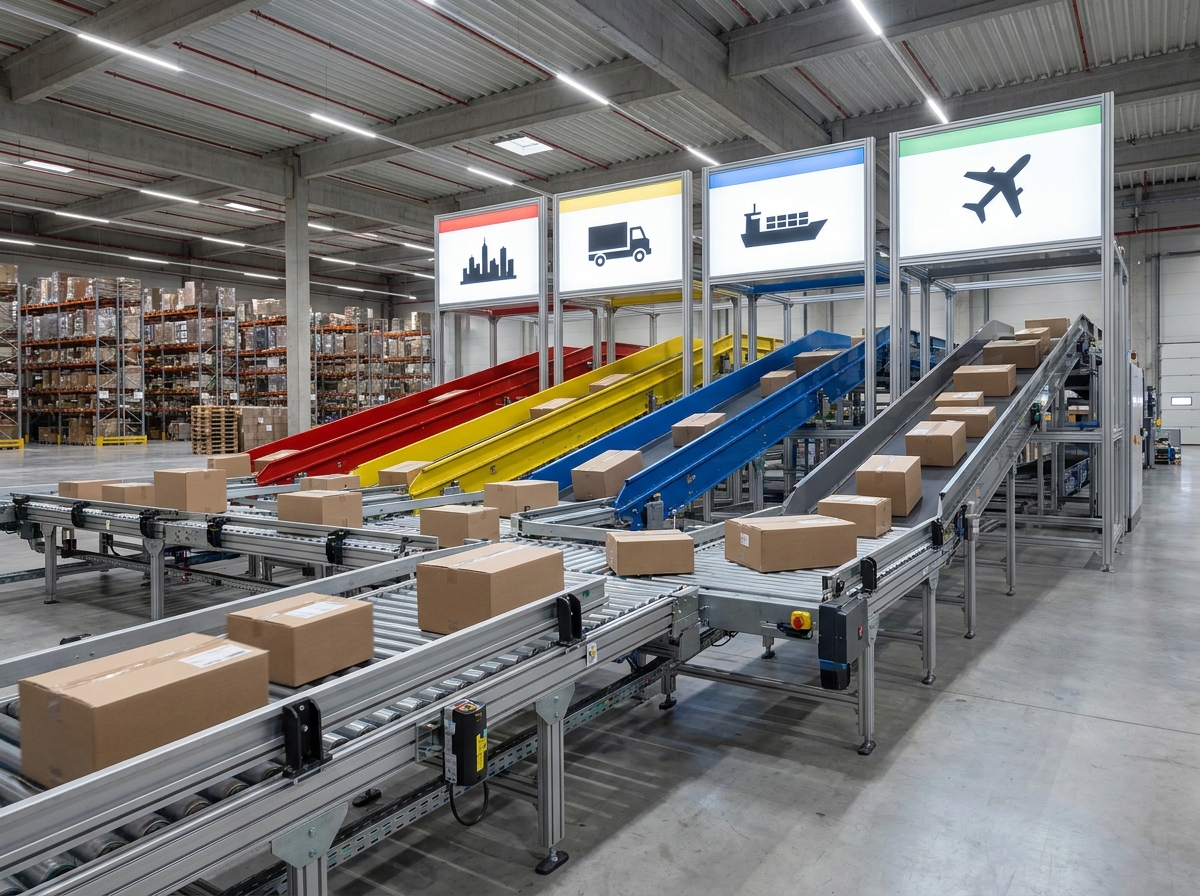
Omnichannel fulfillment means managing one shared inventory pool across every sales channel, your Shopify store, Amazon, wholesale, and retail, so a single unit of stock can fill an order from any of them without being split into separate silos. It matters the moment a brand sells on more than one channel and starts seeing stock shows as available on Shopify while it’s actually sold out on Amazon, or vice versa. That kind of mismatch doesn’t just cost one sale, it costs the customer’s trust in your inventory accuracy, and the problem compounds fast once a third channel, a wholesale account or a retail partner, gets added to the mix. The practical question for most growing brands isn’t whether omnichannel fulfillment sounds useful, it’s whether their current 3PL can actually unify inventory across Shopify, Amazon FBA, and wholesale from one system, or whether each channel is quietly running its own separate stock count behind the scenes. This guide covers what omnichannel fulfillment actually requires operationally, how it differs from multichannel, and when a brand has genuinely outgrown treating each channel as its own silo.
Our ecommerce fulfillment services run one shared inventory across Shopify, Amazon and wholesale orders.
Omnichannel vs. Multichannel: The Difference That Actually Matters
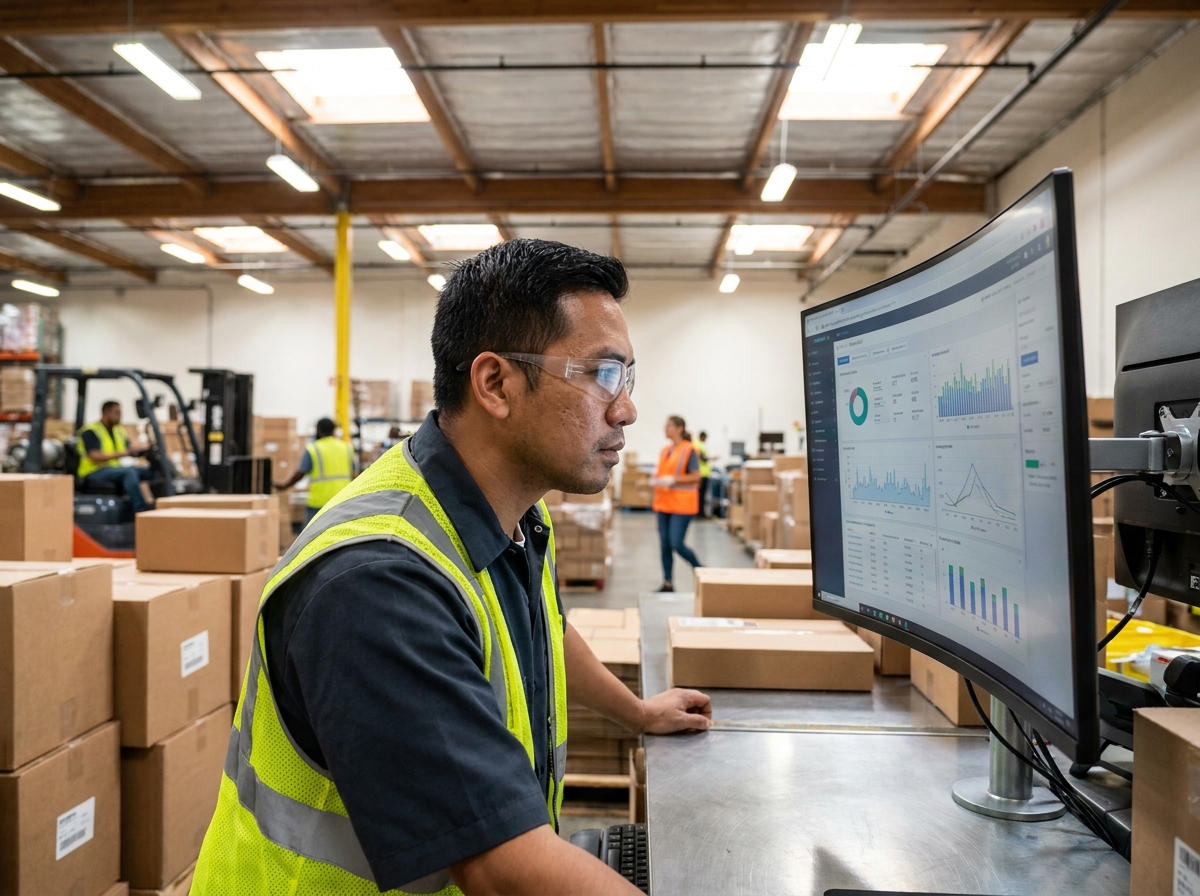
According to Wikipedia’s entry on omnichannel order fulfillment, the strategy treats inventory as fully available to all channels from one location, with the outbound process only diverging at the point of pack-out and shipping. Multichannel fulfillment, by contrast, treats each channel as its own silo with its own stock allocation. Multichannel is easier to start and works fine for a brand testing a second channel with limited volume. Omnichannel becomes necessary once order volume across channels is high enough that siloed inventory starts causing real stockouts and overselling.
What Omnichannel Fulfillment Actually Requires
Unified inventory visibility
Every channel needs to see the same real-time stock count. Zebra’s guide to omnichannel fulfillment notes that a crucial aspect is managing inventory centrally so products reach consumers through whichever channel is most convenient, without one channel’s sale creating a stockout illusion on another. In practice this means your warehouse management system updates every channel the moment a unit sells anywhere, not on a nightly batch sync that leaves a six-to-twelve-hour window where two channels can both think the same unit is available.
Channel-specific packaging and compliance rules
The same SKU often needs different treatment depending on where the order came from. An Amazon FBA prep order needs FNSKU labeling, a wholesale order needs retailer-compliant carton labeling and pallet configuration, and a DTC order needs your branded unboxing with inserts and tissue paper. Omnichannel fulfillment means the 3PL applies the right rule automatically based on order source, not manually per shipment, which is where a lot of smaller operations quietly fall apart the moment a second channel scales past a handful of daily orders.
Order routing logic
When an order comes in, the system needs to route it to the fulfillment node that makes sense for that channel and location, not just the nearest warehouse. This becomes especially relevant for brands moving into wholesale, since a shopping cart order and a major retailer’s EDI order don’t follow the same rules even if they’re shipping the same product. Routing logic also has to account for split shipments, an order that includes both a fast-moving SKU stocked in multiple locations and a slow-moving SKU held in only one.
Returns handling across channels
Returns are where most omnichannel setups break first. A product bought on Amazon and returned to a retail location, or bought wholesale and returned direct to the brand, needs to land back in the same unified inventory count no matter which door it came through. Without a shared returns process, restocked inventory sits invisible to every channel except the one it happened to physically return to, which quietly recreates the exact stockout problem omnichannel fulfillment is supposed to solve.
Do You Actually Need Omnichannel Fulfillment
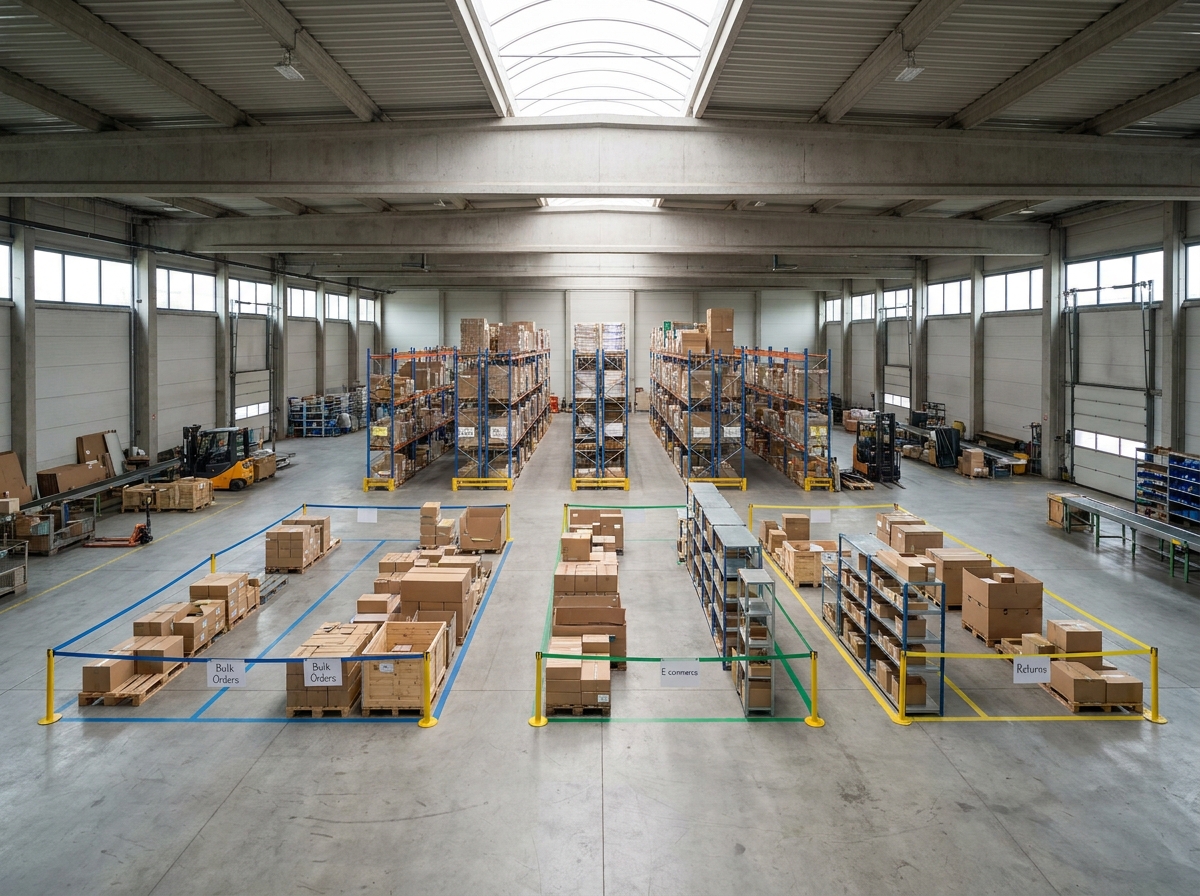
A brand selling only on Shopify doesn’t need it, there’s one channel, so there’s nothing to unify. The moment a second channel with real volume comes online, Amazon, a wholesale account, a retail partner, omnichannel stops being optional if you want accurate stock counts on both. A few concrete signals that the switch is overdue: your team manually adjusts stock levels across platforms more than once a week, a customer has ordered something that was actually out of stock because one channel’s count was stale, or a wholesale buyer has been quoted availability that didn’t match what was actually on the shelf. The honest signal: if you’ve ever had to manually reconcile inventory between two sales channels at the end of a week, you’ve already outgrown multichannel.
Common Omnichannel Fulfillment Mistakes
Treating it as a software purchase instead of an operational shift. Buying inventory management software doesn’t create omnichannel fulfillment on its own, the software has to sit on top of a fulfillment operation that’s actually structured to route and label by channel, not just report a number.
Underestimating the returns gap. Most brands plan the outbound side carefully and treat returns as an afterthought, which is exactly where the unified inventory count breaks down first, as covered above.
Assuming one warehouse location covers every channel efficiently. A single domestic warehouse can technically serve every channel, but it doesn’t address where the inventory originates from in the first place, which matters more than most guides acknowledge once a brand sources internationally.
What to Ask a 3PL About Omnichannel Support
Before signing with a fulfillment partner on the promise of omnichannel support, a few direct questions separate a real capability from a sales pitch: How often does inventory sync across channels, in real time or on a batch schedule? Does the system apply channel-specific labeling automatically, or does someone manually flag each order? What happens to a returned unit, does it re-enter the same shared count regardless of which channel it came back through? And if you source internationally, does adding a new channel require a new vendor relationship in a new country, or does it plug into a network that already exists? The answers to these four questions usually reveal more about a 3PL’s actual omnichannel readiness than anything on their marketing page.
Why Cross-Border Inventory Changes What's Possible
Most 3PLs offering omnichannel fulfillment are routing between warehouses inside one country. That’s straightforward when your whole supply chain is domestic. For a brand sourcing from China, adding a new channel usually means finding a new vendor relationship in whatever country that channel needs stock, an extra layer most omnichannel guides don’t address at all, since they’re written from the assumption that inventory already exists domestically before the omnichannel question even comes up.
Fulfillmen’s inventory already sits across warehouses in China, Hong Kong, and the US for sourcing and cost reasons, so adding Amazon FBA prep or a wholesale channel is a routing rule inside a network that already exists, not a new vendor onboarding.
How Fulfillmen Handles Omnichannel Fulfillment

Fulfillmen manages one inventory pool across Shopify fulfillment, Amazon FBA prep, and wholesale orders from warehouses in China, Hong Kong, and the US, applying the labeling and packaging rule each channel requires automatically at the point of pack-out, including on returns, so a unit that comes back through any channel lands in the same shared count. If you’re currently juggling separate vendors per channel per country, or manually reconciling stock levels every week, it’s worth comparing that against a single network that already spans them.
FAQs
What is omnichannel fulfillment?
Omnichannel fulfillment is a strategy that treats inventory as fully available to every sales channel, online store, Amazon, wholesale, retail, from one shared pool, so a single unit of stock can fill an order from any channel.”
What's the difference between omnichannel and multichannel fulfillment?
Multichannel fulfillment treats each sales channel as its own silo with separate stock allocation. Omnichannel fulfillment unifies inventory across all channels in real time, so a sale on one channel is instantly reflected everywhere else.
Do I need omnichannel fulfillment if I only sell on Shopify and Amazon?
If both channels have meaningful order volume, yes, otherwise you risk overselling on one channel while stock sits unsold on the other. A single-channel brand doesn’t need it since there’s nothing to unify yet
Can a 3PL handle omnichannel fulfillment across international warehouses?
Yes, if the 3PL already operates a multi-country warehouse network, adding a new sales channel becomes a routing rule inside that existing network rather than a new vendor relationship in a new country.
What technology does omnichannel fulfillment require?
A warehouse management system with real-time inventory visibility across channels, automated order routing by source and location, and the ability to apply channel-specific labeling and packaging rules automatically.