B2C order fulfillment is the process of receiving, storing, picking, packing, and shipping individual orders directly to end consumers, as opposed to B2B fulfillment, which ships bulk orders to other businesses. According to flow.space’s research, B2B ecommerce is projected to reach $20.9 trillion by 2027, while B2C ecommerce is expected to grow to $9.9 trillion by 2030, both large enough that most growing brands eventually touch some version of each, even if they started as a pure DTC operation. The two processes share the same basic steps, but B2C fulfillment is built around individual customer expectations: fast shipping, accurate single-item orders, and a personalized unboxing experience, while B2B is built around bulk accuracy, delivery-window coordination, and compliance paperwork. This guide covers what B2C fulfillment actually looks like operationally, how it differs from B2B in practice, and a factor most guides skip entirely: what changes when the inventory being fulfilled is sourced internationally rather than held domestically.
B2C vs. B2B Order Fulfillment: The Real Difference
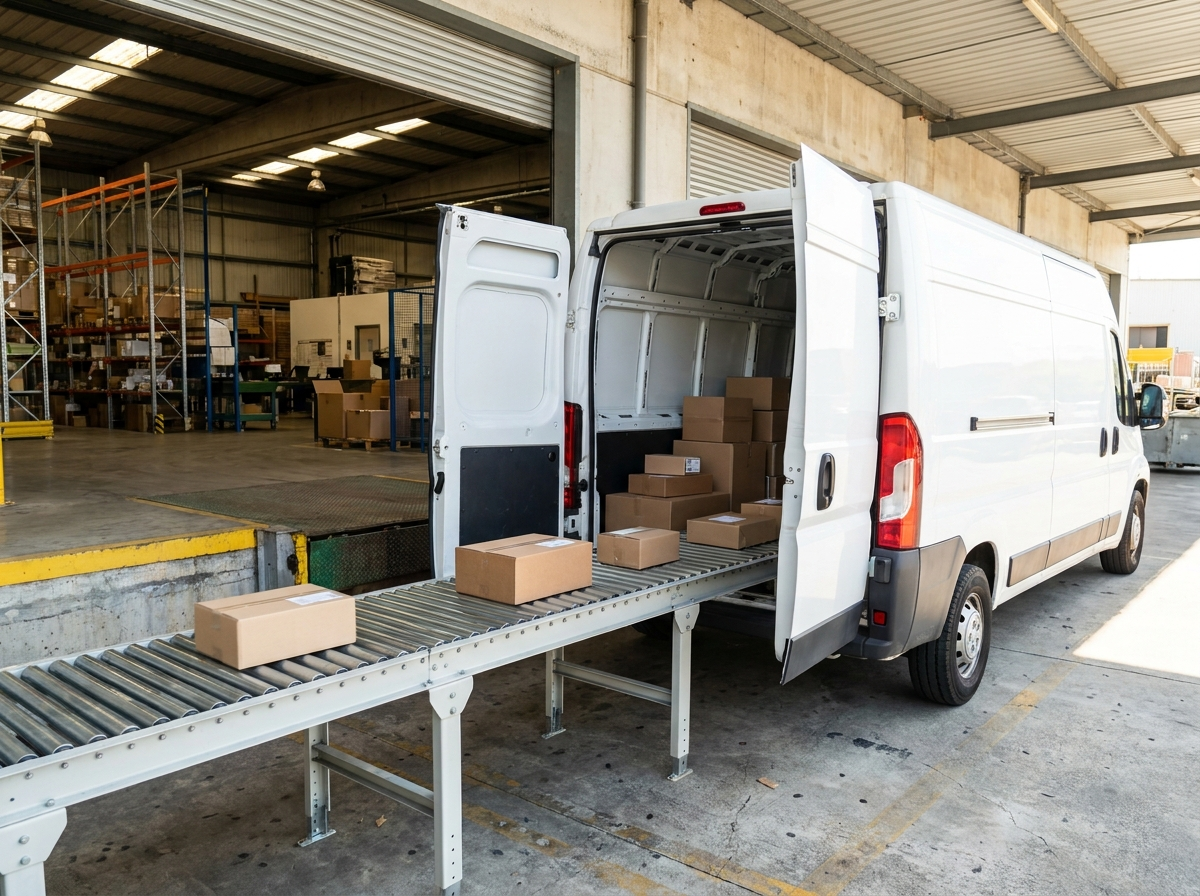
The line isn’t always as clean as it sounds. As one ShipBob merchant put it, their DTC customers were increasingly decision-makers buying for a business, which blurred which fulfillment approach actually applied to a given order. In practice, the operational difference still holds even when the buyer’s identity is ambiguous: B2C orders are single-unit or small-quantity, individually packaged, and shipped via parcel carrier to a residential or business address. B2B orders are bulk, often palletized, shipped via freight, and require delivery-window coordination that a residential parcel never does.
What the B2C Fulfillment Process Actually Looks Like
Inbound receiving and inventory setup
Stock arrives at the warehouse, gets counted, inspected, and logged into inventory. For a B2C operation, this inventory needs to be tracked at the individual-unit level from day one, since a single order might pull one unit while another pulls three different SKUs.
Pick and pack per order
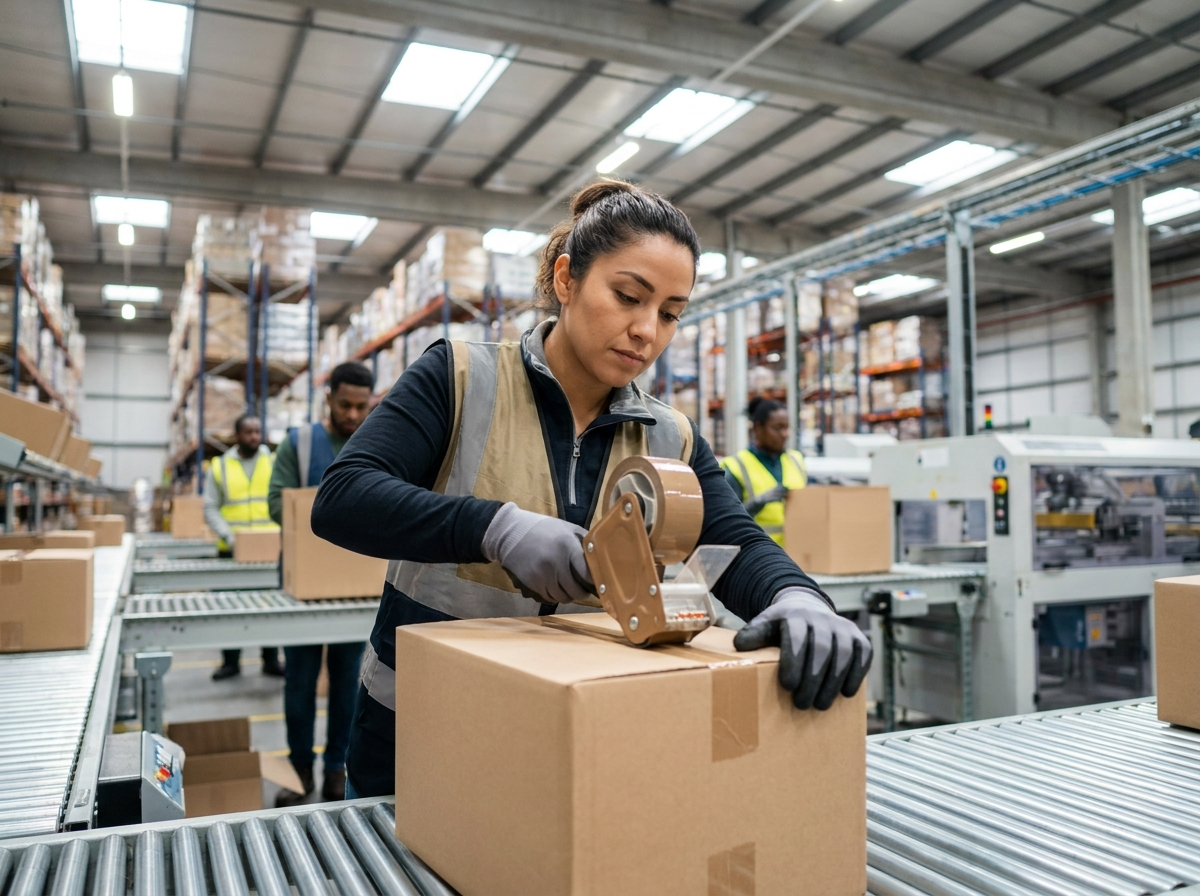
Unlike a B2B pallet pick, B2C fulfillment means picking individual items for individual orders, often dozens or hundreds of times a day, then packing each one with the packaging and inserts that match your brand, not a generic box.
Last-mile delivery
Getting the package from the warehouse to the customer’s door, usually via a parcel carrier rather than freight. This is where most of the customer-facing cost and speed expectations live, since a slow last-mile leg undoes an otherwise fast warehouse process.
Returns handling
B2C returns run constantly and in small volumes, a sizing issue, a change of mind, a damaged item, and need a fast, standardized process since a slow or confusing return experience affects repeat purchase more than almost anything else in the customer journey.
Inventory accuracy across every order
Because B2C fulfillment means pulling individual units rather than whole pallets, inventory counts have to update after every single order, not on a batch schedule. A brand running even a moderate order volume can drift into inaccurate stock counts within days if the warehouse management system isn’t updating in real time, which shows up as overselling on the storefront before anyone notices the underlying cause.
What Makes Cross-Border B2C Fulfillment Different
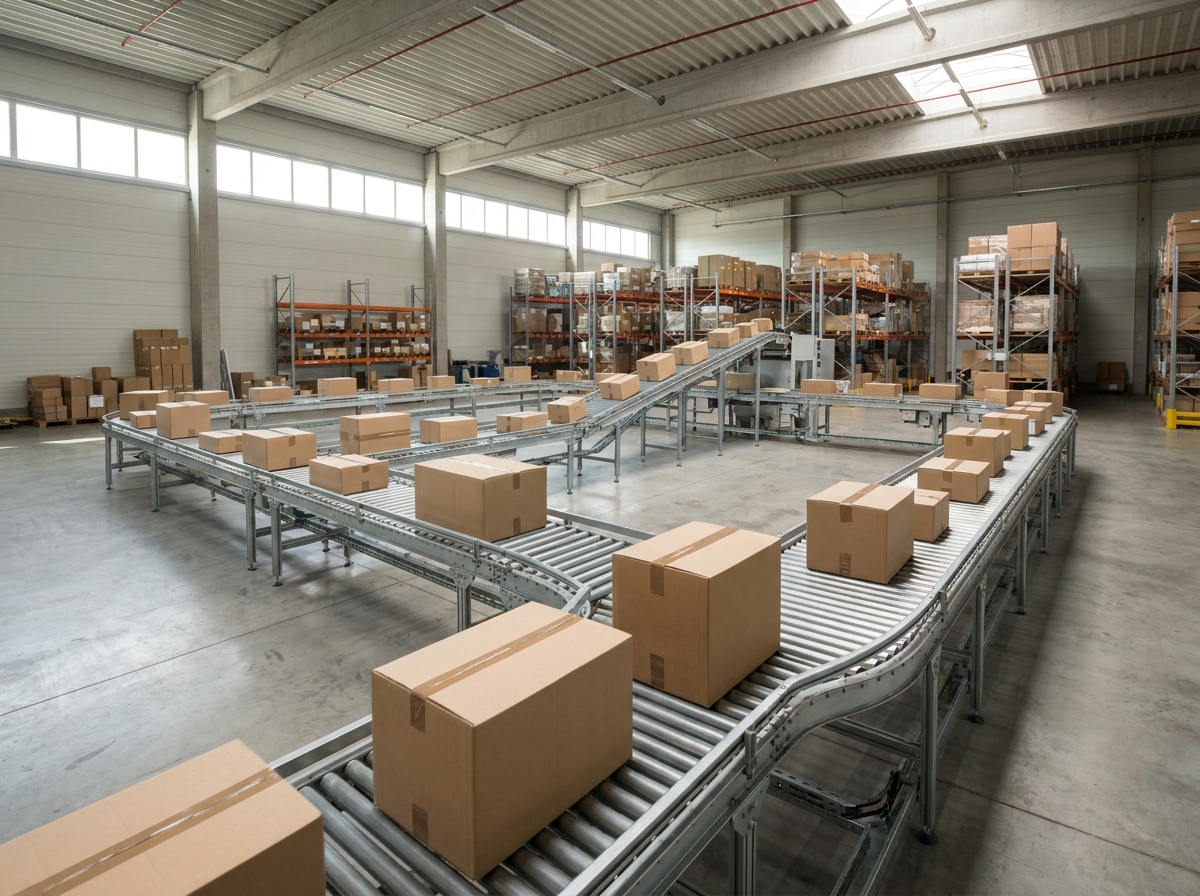
Most B2C fulfillment guides assume the inventory is already sitting in a domestic warehouse when the process starts. For a brand sourcing from China, that’s not where the story begins. Each B2C parcel that crosses an international border does so individually, carrying its own customs declaration and duty handling, unlike a B2B shipment that clears customs once as a single bulk freight entry. That per-parcel complexity is exactly why DDP (delivered duty paid) labeling and customs documentation matter more in cross-border B2C fulfillment than in a purely domestic operation, since a customs delay or a missing declaration on one order affects that customer’s delivery time individually rather than getting absorbed into a bulk shipment’s overall timeline.
Common Mistakes Brands Make With B2C Fulfillment
Treating returns as a low priority. Returns happen constantly in B2C at a much higher frequency than B2B, and a slow returns process quietly erodes repeat purchase rate more than most brands realize until they measure it.
Underestimating last-mile cost as volume grows. A B2C operation that looks profitable at low volume can shift meaningfully once carrier rate tiers and delivery zones are factored in at scale.
Assuming a B2B-oriented 3PL can pivot to B2C without changing anything operationally. Bulk pallet picking and individual-order picking are different skill sets and different warehouse layouts entirely, not just a different label on the same process.
Leaving cross-border customs paperwork as an afterthought. A brand that scales B2C order volume internationally without a provider built for per-parcel customs handling usually discovers the gap the first time a shipment gets held up, not before.
What Affects B2C Fulfillment Pricing
B2C fulfillment pricing typically breaks into four components: storage (charged per pallet, bin, or unit per month), a per-order pick and pack fee, packaging materials, and outbound shipping, usually billed at the carrier’s rate plus a handling markup. The per-order pick fee is where B2C fulfillment differs most from B2B pricing, since B2C bills per individual order regardless of how small it is, while B2B typically bills per pallet or per case. A brand comparing quotes should ask whether the pick fee already includes packaging materials or bills them separately, since that’s usually where two quotes that look identical on the surface diverge once real invoices start arriving.
How to Evaluate a 3PL for B2C Fulfillment
A few direct questions help separate real B2C capability from a provider that mostly handles B2B and calls it flexible: How is inventory tracked at the individual-unit level, not just by pallet or case? What does the returns process actually look like end to end, and how fast is a return restocked into available inventory? Does the provider offer branded packaging and inserts, or only generic cartons? Is the pick and pack fee itemized separately from packaging materials, or bundled in a way that’s hard to compare against another quote? And if you source internationally, does the provider handle per-parcel customs and duty documentation, or does that responsibility fall back on you?
How Fulfillmen Handles B2C Fulfillment
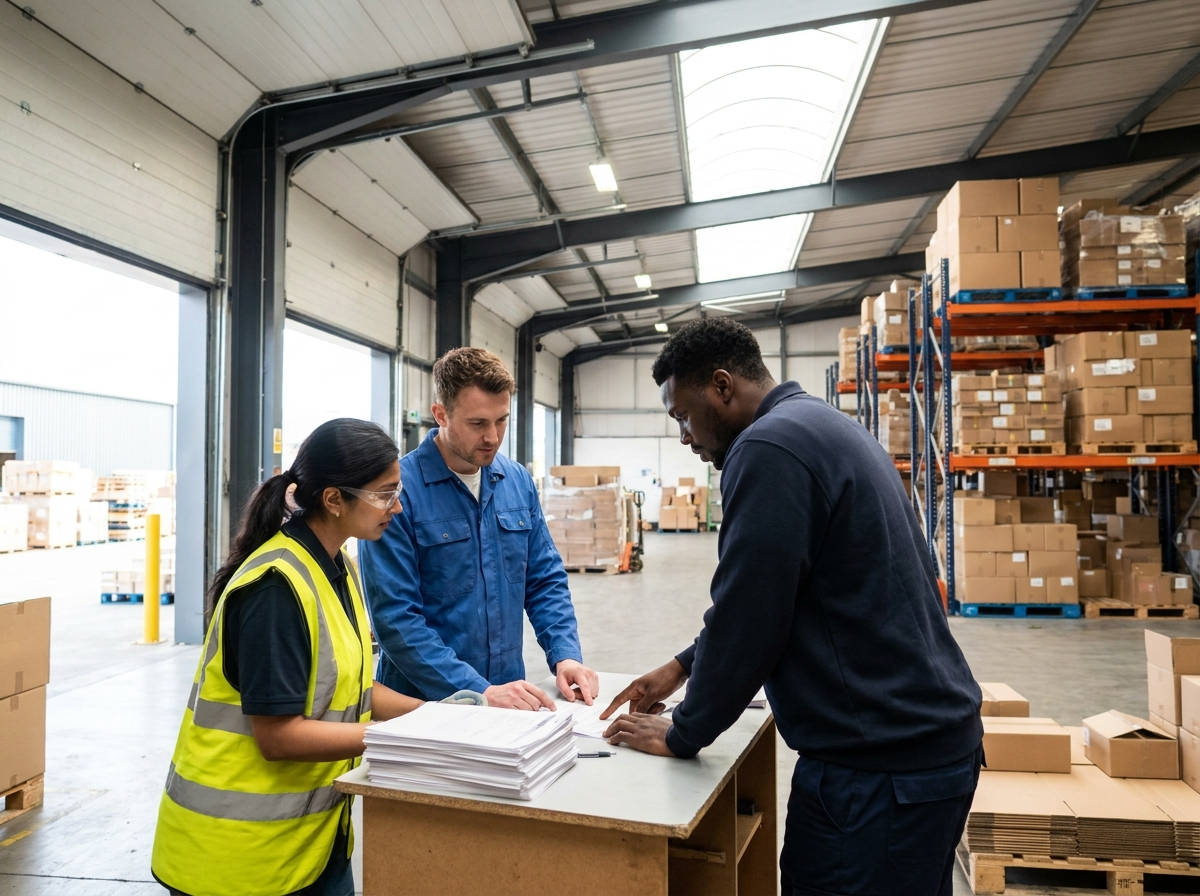
Fulfillmen fulfills individual B2C and DTC orders from warehouses in China, Hong Kong, and the US, with per-parcel customs and DDP handling built into the process rather than treated as the customer’s problem to solve. Inventory updates at the individual-order level rather than on a batch schedule, so stock counts stay accurate across every sales channel as orders come in. Pricing follows the same no-minimum, no-compulsory-SKU model as the rest of Fulfillmen’s fulfillment services, which matters most for brands still scaling their Shopify storefront and not ready to commit to volume minimums or long contracts. If your current setup handles B2C fulfillment domestically but leaves cross-border customs paperwork on your plate, or bills packaging materials separately in a way that makes quotes hard to compare, it’s worth comparing that against a provider built around both from the start.
FAQs
What is B2C order fulfillment?
“B2C order fulfillment is the process of receiving, storing, picking, packing, and shipping individual customer orders directly to consumers, as opposed to B2B fulfillment, which ships bulk orders to other businesses.
How is B2C fulfillment different from B2B fulfillment?
B2C orders are typically single-unit or small-quantity, individually packaged, and shipped via parcel carrier. B2B orders are bulk, often palletized, shipped via freight, and require delivery-window coordination and compliance paperwork that B2C orders don’t.
What does the B2C fulfillment process look like step by step?
Inbound receiving and inventory setup, individual order picking and packing, last-mile delivery via parcel carrier, and a standardized returns process for damaged, wrong-size, or unwanted items.
Can a 3PL handle both B2C and B2B orders from the same warehouse?
Yes, but it requires different picking workflows for each, individual-unit picking for B2C and bulk or palletized picking for B2B, so the 3PL needs processes built for both rather than one adapted to serve the other.
What should I look for in a B2C fulfillment provider?
Individual-unit inventory tracking, a fast standardized returns process, branded packaging capability, and, for brands sourcing internationally, built-in handling of per-parcel customs and duty documentation.