The difference between OEM and ODM is who owns the design. With OEM (original equipment manufacturing) the factory builds a product to your design and specification, so the design is yours. With ODM (original design manufacturing) the factory sells you a product it has already designed, and you add your brand and small changes. ODM is faster and cheaper to start, which is why most private label brands begin there. OEM costs more upfront but gives you a product competitors cannot buy from the same factory.
This guide compares the two routes, shows the middle option most growing brands use, and explains how to protect your design. If you want help choosing and managing a factory, see our sourcing and procurement service.
Fulfillmen sources products from Chinese factories for its clients, so we sell part of what this guide describes. Cost, time and minimum order patterns below are typical ranges we see across consumer goods, not quotes. This is general information, not legal advice on intellectual property.
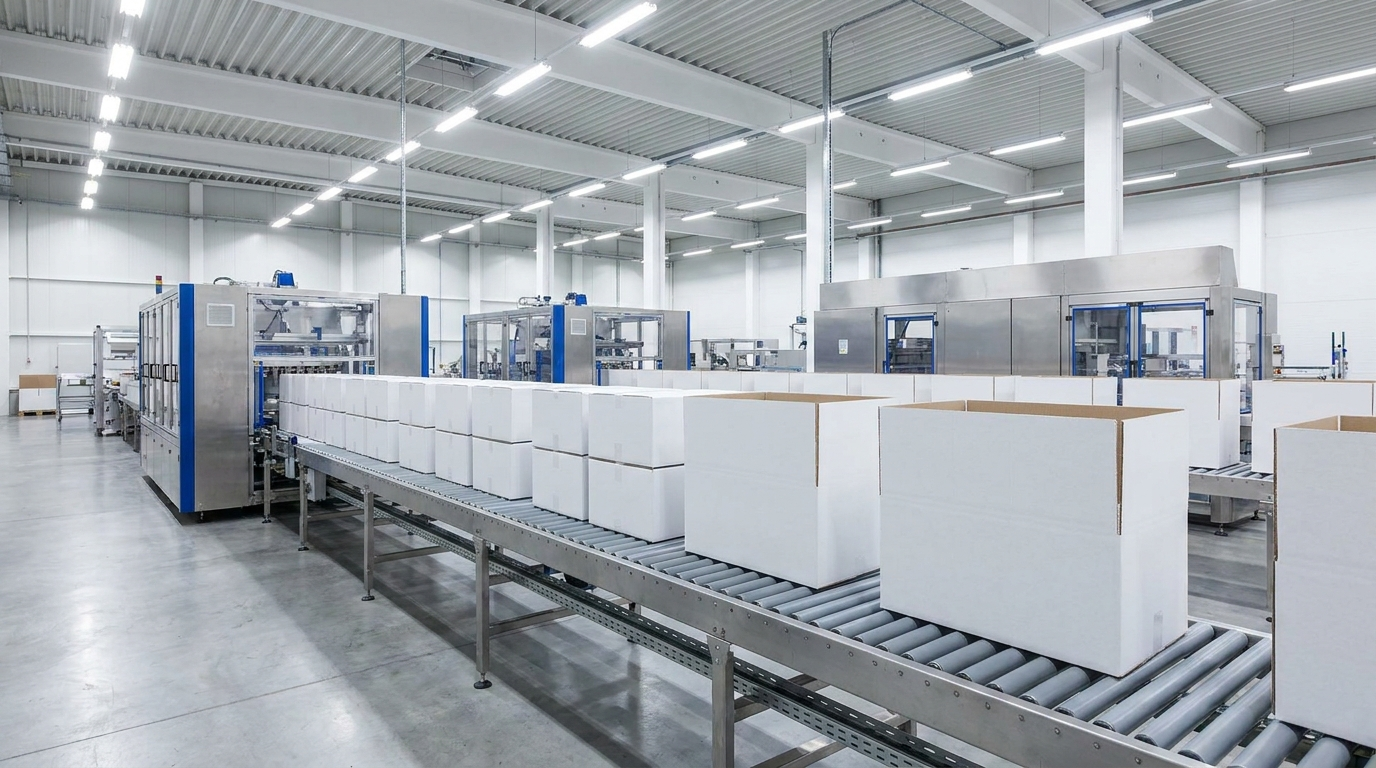
OEM and ODM defined
Part of the confusion is that “OEM” means different things in different industries. In car and electronics manufacturing, the OEM is often the brand that sells the finished product. When ecommerce brands talk to Chinese factories, “OEM” almost always means the factory produces to the buyer’s own design.
- OEM: you supply the design, drawings, materials and specification. The factory makes it, often with tooling you pay for.
- ODM: the factory owns an existing design. You choose from its range, add your logo and packaging, and sometimes change colours or materials.
- Private label: a brand selling a product under its own name. It can sit on either route, but most private label products start as ODM.
- White label: a generic product sold unchanged to many brands. See our guide to what white label means for how it differs from private label.
OEM vs ODM at a glance
OEM and ODM compared on the points that decide most sourcing projects
| Factor | ODM | OEM |
|---|---|---|
| Who owns the product design | The factory | You, if your contract says so |
| Upfront cost | Low: samples and branding setup | Higher: design, prototypes and often tooling |
| Typical minimum order | Lower, often a few hundred units for stock designs | Higher, often 1,000 units or more per design |
| Time to first stock | Weeks | Months |
| Differentiation | Limited, competitors may buy the same item | High, the product is unique to you |
| Changing factory later | Hard, the design stays with the factory | Easier, if you own the drawings and moulds |
| Best for | Testing demand, fast launches, small budgets | Proven products, patents, a defensible brand |
Ranges are typical patterns, not rules. A factory with spare capacity may accept a lower minimum on OEM work, and some ODM factories set high minimums for custom colours.
Is ODM or OEM cheaper?
ODM is cheaper to start, and OEM is often cheaper per unit once volume is high. The difference sits in who pays for development. In ODM, the factory has already paid for the design and moulds and spreads that cost across every buyer. In OEM, you pay for it once: product design, prototypes, testing and any tooling, such as injection moulds for plastic parts, which can run to several thousand dollars for one part.
Development cost per unit = (design + prototypes + tooling) ÷ units you expect to sell over the product’s life
If the product sells 20,000 units, a $10,000 development cost adds $0.50 a unit. If it sells 1,000 units, it adds $10 a unit.
This is why the order in which you do things matters. Proving demand with an ODM product first, then moving the winner to OEM, keeps the expensive development for a product you already know sells.
Deciding between a stock design and your own? Send us the product, your target price and the volumes you expect, and we will tell you which route fits and what it is likely to cost.
The middle route: ODM with modifications
Most growing brands do not choose pure ODM or pure OEM. They take an ODM base and change enough to make it their own. Each level of change costs a little more and takes a little longer.
Levels of customisation, from lowest to highest commitment
| Level | What changes | Effect on cost and minimum order |
|---|---|---|
| 1. Branding | Logo, labels, packaging, inserts | Small setup fee, minimum often set by the packaging printer |
| 2. Cosmetic | Colour, finish, material grade | Higher minimum per colour, little tooling |
| 3. Functional | Added features, changed dimensions or components | Possible tooling changes, longer sampling |
| 4. Full OEM | A new design from your drawings | Full development and tooling, highest minimum |
Branded packaging alone can change how a product feels to a customer. Our guide to custom packaging for ecommerce covers the options.

Who owns the design in ODM?
The factory does. You own your brand name, logo and packaging artwork, but the product design stays with the manufacturer, and it can sell the same item to other brands. If that matters, ask for exclusivity in writing: for example, the factory agrees not to sell your colour or variant to other buyers in your market or on Amazon for a set period. Exclusivity is usually tied to minimum annual volumes.
How to protect your design in China
- Register your trademark in China before you share branded artwork. China uses a first-to-file system, so whoever registers first usually owns the mark there.
- For OEM designs, consider a Chinese design patent or utility model, filed before samples circulate.
- Sign an NNN agreement (non-disclosure, non-use, non-circumvention) written in Chinese and governed by Chinese law, so it can be enforced where the factory is.
- State in the contract that you own the drawings and any tooling you pay for, and that moulds will be released to you or destroyed if you move production.
For complex products, some brands also split production so no single factory makes every part. This adds work but limits what any one supplier can copy.
Which route fits your brand?
- Choose ODM if you are testing a product, need stock within weeks, or have a limited budget.
- Choose ODM with modifications if the base product is right but you need it to look and feel like your brand.
- Choose OEM if the product already sells, your design is the reason customers buy, or you hold a patent.
Whichever route you take, finding the right factory is the first job. Our guide on how to find manufacturers in China walks through vetting and first orders.
OEM and ODM mistakes to avoid
- Paying for tooling without a contract that says you own it.
- Assuming an ODM product is exclusive because your logo is on it.
- Starting with full OEM before you know the product sells.
- Sharing drawings before signing an NNN agreement and registering your trademark.
- Approving production without a signed golden sample to inspect against. Our guide on ordering samples from China explains how to set one.
Do this next
Decide which customisation level you actually need, then shortlist factories that already make something close to it. If you want a team in China to compare ODM and OEM quotes for you and check the contract terms, send us the product brief.
Send a Product Brief →Frequently asked questions
What is the difference between OEM and ODM?
OEM means the factory makes a product to your design, so you own the design. ODM means the factory sells you its own existing design, which you brand and sometimes modify, while the factory keeps ownership of the design.
Is ODM or OEM cheaper?
ODM is cheaper to start because the factory has already paid for design and tooling. OEM has higher upfront development and tooling costs but can be cheaper per unit at high volume, and it gives you a unique product.
Who owns the design in ODM?
The manufacturer owns the product design in ODM. You own your brand, logo and packaging artwork. Ask for written exclusivity if you do not want the factory to sell the same variant to competitors.
What MOQ do OEM factories ask for?
OEM factories often ask for 1,000 units or more per design because they must cover setup and tooling, though this varies by product and factory. ODM stock designs often start at a few hundred units.
Can I private label an ODM product?
Yes. Most private label products are ODM designs with the brand’s logo, packaging and sometimes colour or material changes. The design itself still belongs to the factory unless you agree otherwise.