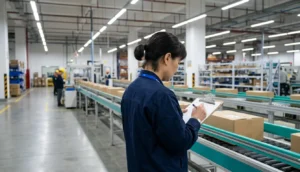
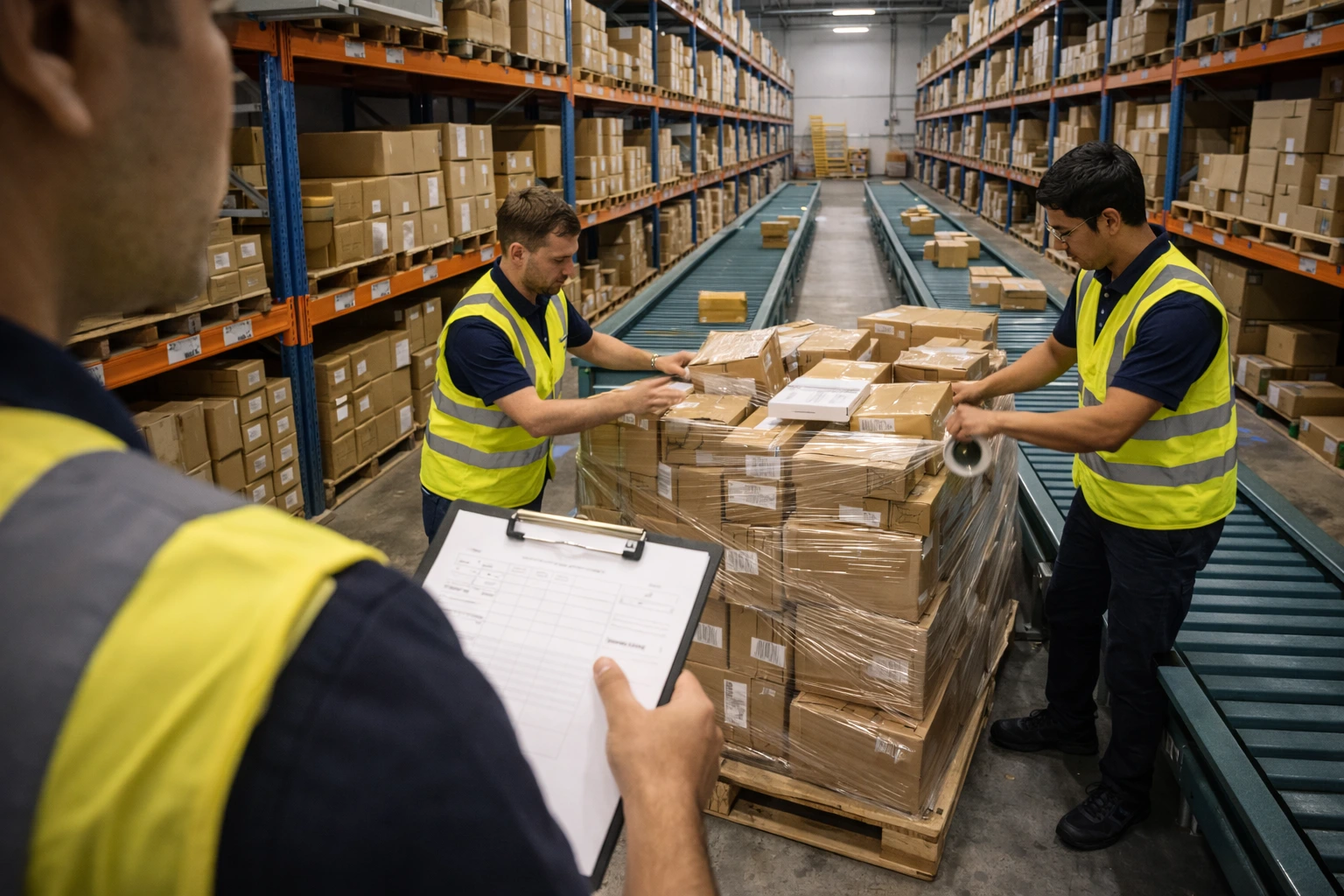
When you send inventory to a fulfillment center in China, the goal is simple: stock should arrive labelled, counted and ready to sell within a day or two of reaching the dock. In practice, the handoff between your supplier and the warehouse is where most delays start. Unlabelled cartons, missing paperwork and quantities that do not match the order all slow down receiving and push back your first dispatch.
Fulfillmen runs ecommerce fulfillment from China, receiving supplier stock in its own warehouses and shipping it worldwide.
This guide covers how to set up that handoff properly, from the terms you agree with suppliers to the carton labels, inbound notice and receiving checks the warehouse needs.
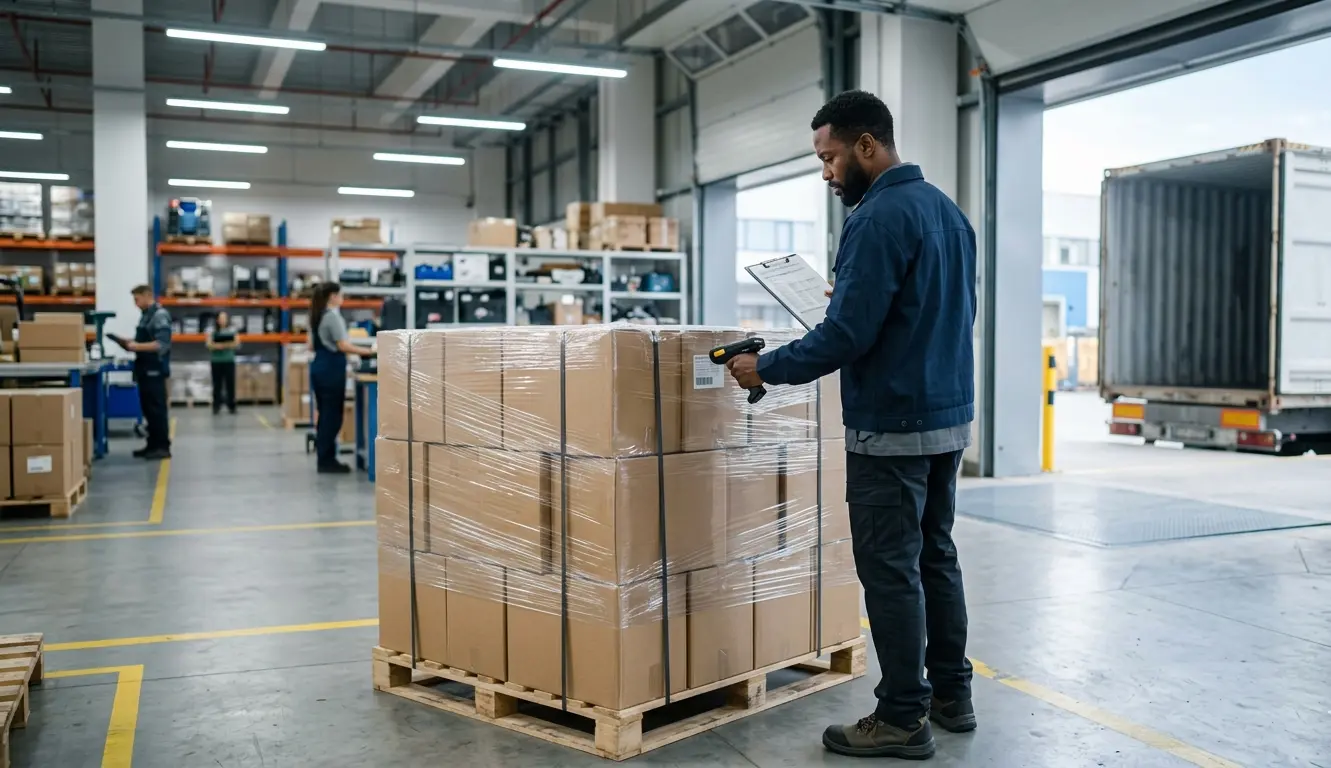
Why fulfilling near the factory changes the process
If your products are made in China and you fulfill from a China-based warehouse, inventory makes one short domestic trip instead of an international freight journey. That removes ocean freight, import customs and weeks of transit before you can sell. It also means your supplier, not a freight forwarder, is usually the one delivering to the warehouse, so your supplier needs clear instructions.
Step 1: Agree delivery terms with your supplier
Decide who arranges and pays for delivery to the warehouse. Trade terms are defined by the Incoterms rules published by the International Chamber of Commerce, with Incoterms 2020 the current edition. For domestic delivery to a fulfillment center, many brands simply ask the factory to deliver to the warehouse address as part of the unit price. If you want a refresher on the main terms, see our guide to what Incoterms are.
Put these instructions in your purchase order, not just in a chat message:
- The exact warehouse address and receiving contact
- Delivery window and any booking requirement
- Carton labelling and packing rules (below)
- Who pays for delivery and any unloading charges
Setting up your first inbound shipment? We will send our receiving checklist straight to your supplier so the first delivery arrives ready to sell.
Step 2: Set packing and labelling rules
Every carton should be identifiable without opening it. Give your supplier a short labelling standard:
| Rule | Why it matters |
|---|---|
| One SKU per carton where possible | Mixed cartons must be opened and sorted by hand |
| Carton label with SKU, quantity and carton number (e.g. 3 of 12) | Lets the warehouse count without unpacking |
| Barcode on each unit or polybag | Enables scan-based picking and accurate stock counts |
| Consistent carton quantities | Speeds up receiving and cycle counts |
| Your PO number on every carton | Links the delivery to the right order |
If units arrive without barcodes, the warehouse can label them, but it adds time and cost. Receiving labour is billed at many 3PLs: Fulfill.com’s 2026 data puts typical US receiving at $5 to $15 per pallet or $30 to $60 per hour. Clean cartons keep that line small wherever you fulfill.
What a good carton label shows
Ask your supplier to print the same five lines on two sides of every carton, in English, with large text that can be read from a metre away: your brand or account name, the SKU code, the quantity of units inside, the carton number out of the total (for example 3 of 12), and your purchase order number. Add a barcode for the SKU if the factory can print one. It takes a few minutes to set up and saves hours on the dock.
Step 3: Send an advance shipping notice
An advance shipping notice (ASN) tells the warehouse what is coming before it arrives. Send it as soon as the supplier confirms a dispatch date. Include:
- Supplier name and expected delivery date
- Number of cartons and total gross weight
- SKU list with quantity per SKU
- Carton dimensions
- Any special handling such as fragile goods or batteries
The warehouse checks the delivery against the ASN and flags any shortage or damage immediately, while you still have leverage with the supplier.
Step 4: Inspect on arrival
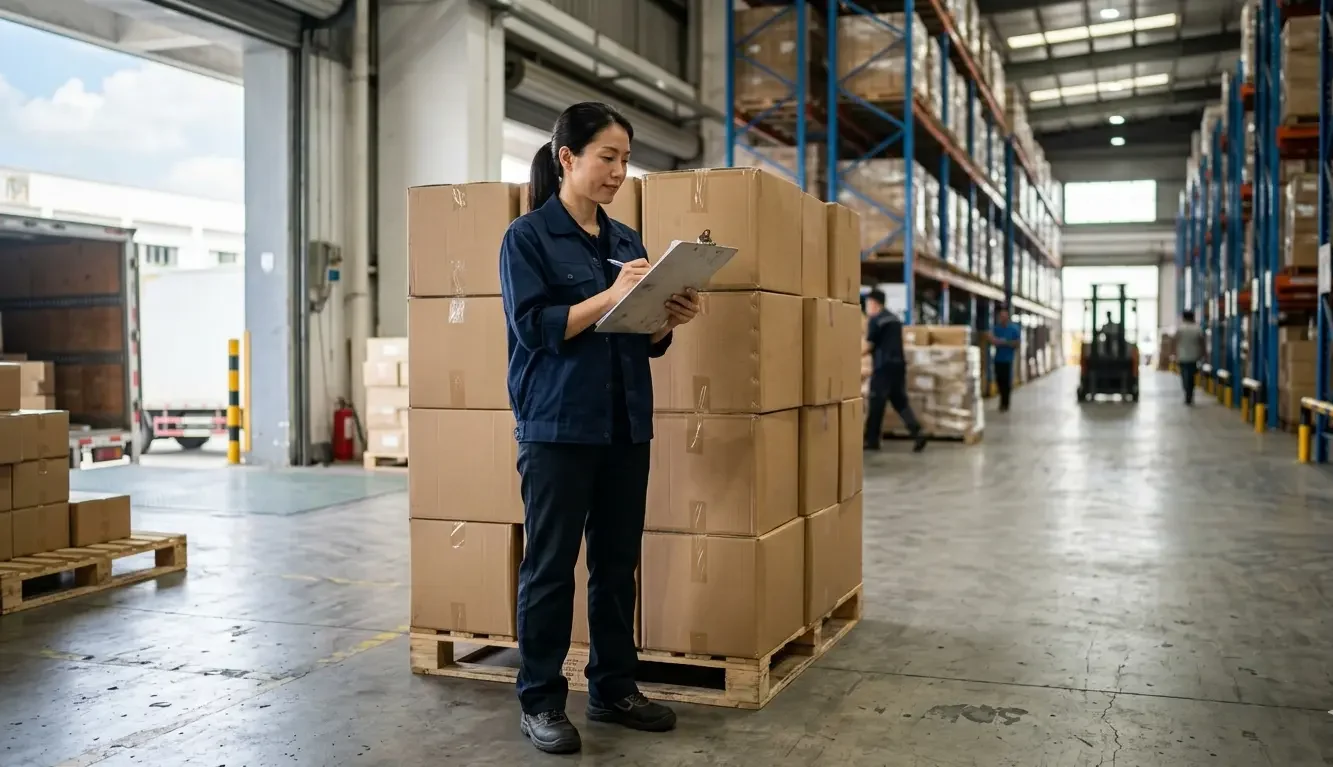
Receiving is your best chance to catch supplier problems. Ask the warehouse to count against the ASN, photograph damaged cartons and spot-check units for obvious defects before stock goes live. Finding a bad batch at receiving costs far less than finding it in customer returns.
Working with multiple suppliers
Many brands buy from several factories. Rather than having each one ship separately to customers, consolidate everything in one warehouse. Stock from different suppliers can then be combined into single orders, kitted into bundles or shipped together in bulk freight when you need inventory elsewhere.
The key with several suppliers is one shared standard. Send every factory the same labelling rules and the same ASN template, and ask each one to confirm it in writing before the first dispatch. When deliveries from three factories arrive in the same week, consistent labels are what keep receiving to a day instead of a week.
A typical inbound timeline from factory to first order
Here is how a clean first inbound usually runs when the supplier and warehouse are both briefed in advance. Use it to plan your launch date backwards.
- Day 1: purchase order sent with the warehouse address, labelling rules and delivery window.
- Production period: the factory makes and packs the goods to your carton standard.
- Dispatch day: the supplier confirms the date, carton count and weight, and you send the advance shipping notice.
- Delivery day: cartons arrive and are counted against the notice, with any damage photographed.
- Receiving: a sample of units is opened and checked, barcodes are scanned into stock, and inventory syncs to your store.
- First orders: once stock is live, orders can be picked, packed and shipped the same or next day.
The production period is the part you control least, so build buffer there rather than squeezing receiving. If your launch date is fixed, ask the factory for a pre-shipment photo of packed, labelled cartons a few days before dispatch. It is the cheapest way to catch a labelling problem before it reaches the dock.
Common inbound mistakes to avoid
- Supplier ships before the ASN is sent, so the delivery arrives unannounced
- Carton labels in a format the warehouse cannot match to your SKUs
- Partial deliveries with no note of what is still to come
- No agreed process for short shipments or damaged goods
Buying from more than one factory? We receive from all your suppliers, consolidate stock in one place and ship orders worldwide with no minimums.
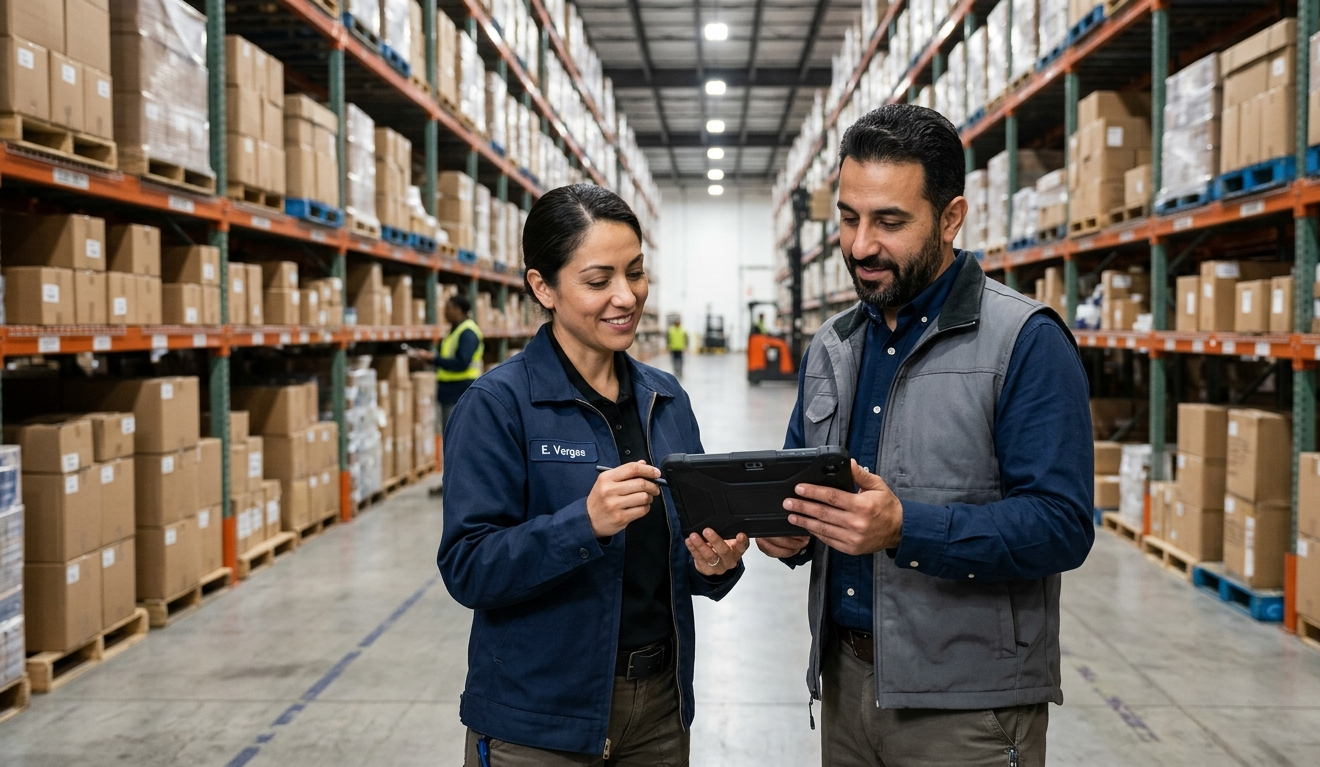
How Fulfillmen receives supplier stock
Fulfillmen operates warehouses in China, Hong Kong and India and receives directly from your suppliers. Inbound goods are counted and checked, then made available to sell through your connected Shopify, WooCommerce or Amazon store. Each order is checked against your product specification during pick and pack, before dispatch. There is no minimum order quantity and new stock gets 90 days of free storage, so you can send a first small production run and scale from there. Stock from several factories can be combined through our consolidation services.
Frequently asked questions
Can my supplier deliver directly to a fulfillment center?
Yes. Give the supplier the warehouse address, labelling rules and delivery window in your purchase order, and send the warehouse an advance shipping notice before the goods leave the factory.
Do I need barcodes on every unit?
It is strongly recommended. Unit barcodes enable scan-based picking and accurate inventory. If they are missing, the warehouse can apply labels for a fee.
What happens if the delivery is short or damaged?
The warehouse records the discrepancy against your notice and shares photos, so you can raise it with the supplier quickly while you still have leverage.
Can stock from several factories ship in one order?
Yes. Once all items are stored in the same warehouse, they can be picked into one parcel or kitted together into a bundle.
How long does receiving take at a China fulfillment center?
With labelled cartons and an advance shipping notice, stock can typically be counted and made available to sell within one to two days of arrival. Missing labels or paperwork are the main cause of delay.
Ready to send your first inbound? Tell us about your supplier and products and we will set up receiving before your goods leave the factory.