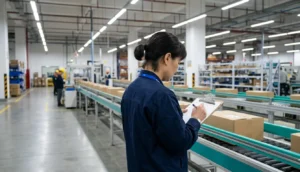
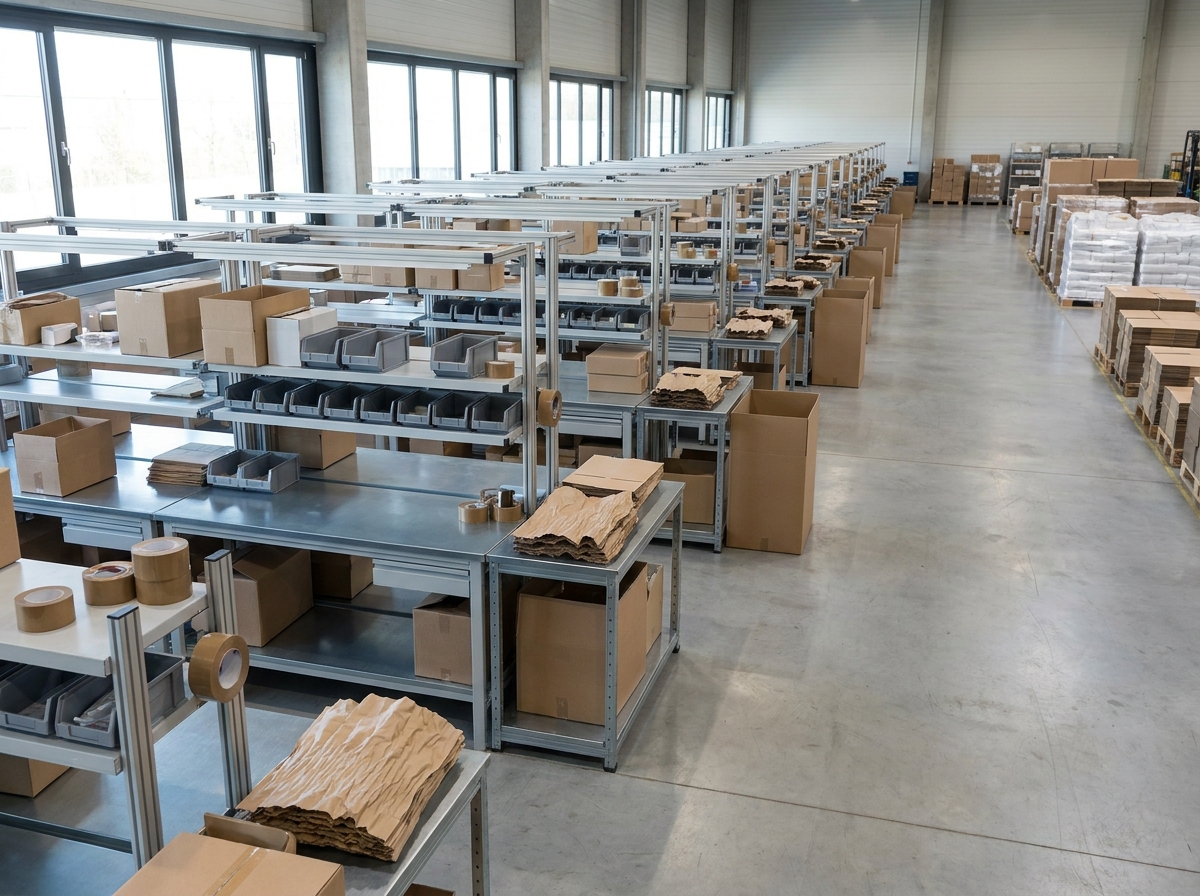
Subscription box fulfillment is the work of assembling a set of products into a box, packing it the same way for every subscriber, and shipping the whole batch on a fixed schedule. Unlike regular ecommerce orders, which trickle in daily, subscription boxes ship in waves. That changes how you should plan inventory, labour and shipping, and it is why sourcing and fulfilling from China can work so well for the right box.
The market is large and still growing. Global Market Insights values the global subscription box market at $27.7 billion in 2025 and projects $31.94 billion in 2026. Competition is rising with it, which makes margin per box more important every year.
How subscription box fulfillment differs from regular orders
- Batch shipping: most boxes leave in a short window each month, so the warehouse needs labour ready for a spike.
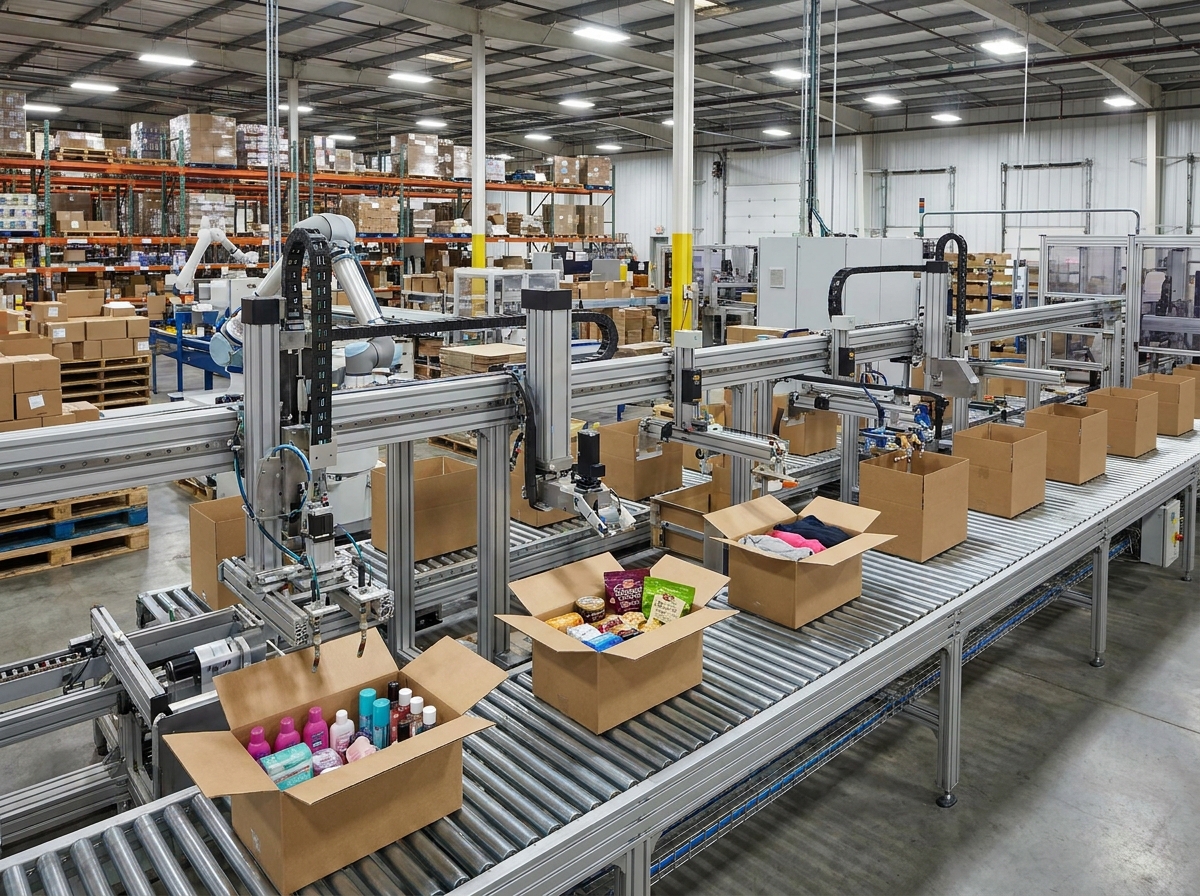
- Kitting: several items are assembled into one box with inserts, often before the ship date.
- Fixed deadlines: subscribers expect the box on schedule. A late component delays every order.
- Variants: size choices, add-ons and first-box welcome kits multiply the number of box versions.
Why fulfill subscription boxes from China
If most of your box contents are made in China, assembling them there removes a step. Components go from factories straight to the fulfillment center, are kitted on site, and boxes ship directly to subscribers. You avoid paying to freight loose components to another country, store them, and then assemble them at higher labour rates.
The trade-off is delivery time. Boxes travel internationally after packing, so your ship date has to account for transit to each market. For many boxes, particularly in beauty, hobby, stationery and accessories, subscribers accept a monthly cycle where the box arrives within a set window rather than overnight.
Building or moving a subscription box? Share your box contents and subscriber count and we will send a per-box estimate, with no minimum box count.
What subscription box fulfillment costs
Your cost per box combines:
| Cost line | What drives it |
|---|---|
| Kitting and assembly | Number of items, inserts and how complex the packing is |
| Packaging | Printed box, tissue, filler and cards |
| Storage | Component volume held between cycles |
| Shipping | Box weight and dimensions, destination mix, duties |
Kitting is usually the line that varies most. Fulfill.com’s 2026 data puts US kitting and special projects at $35 to $60 per hour. Labour in China costs considerably less, which is a major reason assembly there can lower your cost per box. Box dimensions matter just as much: carriers price on volumetric weight, so a box that is 2 cm deeper than needed can push every shipment into a higher price band.
Worked example: kitting labour per box
Illustrative example: a five-item box with a printed insert and tissue wrap. If one packer assembles 30 boxes an hour, US kitting at $35 to $60 an hour works out at roughly $1.17 to $2.00 of labour per box before packaging, storage or postage. Run the same maths with any quote you receive: divide the hourly kitting rate by realistic boxes per hour, then add the box, filler, storage and a weighted shipping rate across your subscriber countries. That total, not the headline kitting rate, is the number to compare between providers.
Plan your cycle backwards from ship date
The most reliable subscription operations work back from the date boxes must leave the warehouse. Illustrative calendar for a box shipping on the 1st of each month:
- Day minus 60: finalise the box contents and place component orders with suppliers.
- Day minus 30: components and printed packaging delivered to the fulfillment center and checked at receiving.
- Day minus 21: approve a sample box: contents, packing order and presentation.
- Day minus 10: subscriber list locked, variants and add-ons confirmed.
- Day minus 7 to day 0: kitting and packing, labels generated per subscriber.
- Day 0: boxes dispatched in one wave.
Build at least a week of buffer for the first few cycles. A late supplier is the most common reason a box misses its window.
Welcome kits, add-ons and box variants
Most boxes are not one box. A first-month welcome kit, size choices and paid add-ons can turn a single design into five or six versions, each needing its own pick list and label run. Keep variants manageable by building every version from the same base kit, adding the extras as a separate pick at packing, and locking variant choices on the same cut-off date as the subscriber list. Ask your warehouse how it handles per-subscriber variations before you launch them, not after.
Shipping subscription boxes internationally
International subscribers are where China-based fulfillment pays off, but they need a little extra planning so every box lands inside the window you promise.
- Publish an arrival window by country, not a single date. Subscribers accept a range when it is stated up front.
- Choose DDP lines for markets that charge import tax on small parcels, so subscribers are never asked to pay on delivery.
- Design the box around shipping, not just the shelf. A slightly smaller box can drop every shipment into a lower volumetric weight band.
- Avoid restricted contents in an international box. Batteries, liquids and aerosols can limit which carrier lines you can use.
- Send tracking to every subscriber automatically, so “where is my box” emails do not flood your support inbox on dispatch week.
Plan your ship date around the slowest market you serve. If the longest transit is ten days and you want boxes to arrive by mid-month, the batch needs to leave the warehouse in the first days of the month, which pushes every other date in your calendar earlier too.
Tips for smoother subscription fulfillment
- Keep box dimensions identical across months so packaging and shipping costs stay predictable.
- Order 3% to 5% extra of each component to cover damage and replacements.
- Use a reference photo of the correctly packed box for every cycle.
- Sync your subscription platform so the warehouse receives a clean, final order file.
Assembly is the heart of the operation. Our guide to kitting and assembly explains how multi-item kits are built and checked in a warehouse.
Want your boxes kitted next to the factory? We receive components from your suppliers, assemble every box and ship worldwide with DDP options.
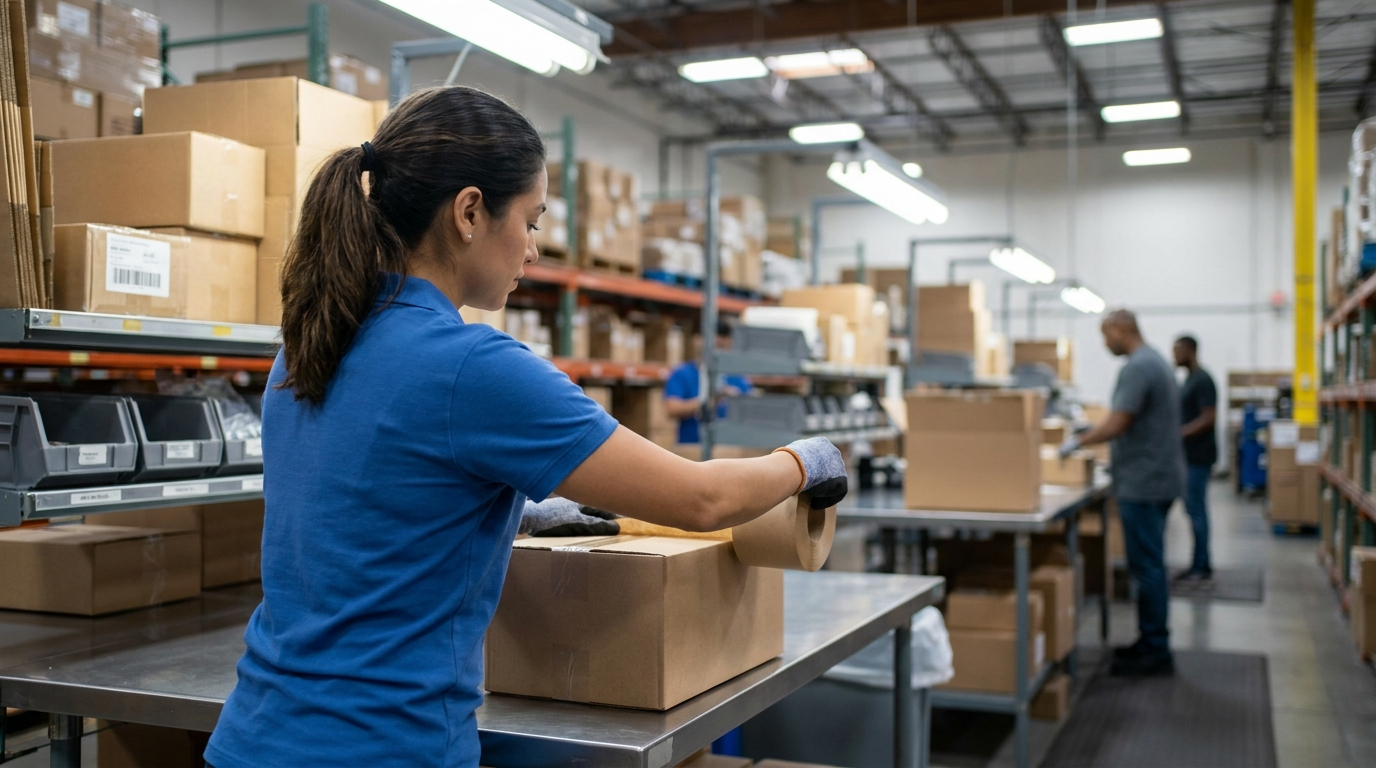
How Fulfillmen supports subscription boxes
Fulfillmen receives components directly from your suppliers at our warehouses in China, Hong Kong and India, assembles boxes, adds custom packaging and inserts if supplied, and ships worldwide, with DDP options for markets where you want duties paid upfront. With no minimum order quantity and 90 days of free storage, you can launch with a small subscriber base and grow. See all services on our fulfillment services page.
Frequently asked questions
What is subscription box fulfillment?
It is the storage, assembly, packing and batch shipping of curated boxes to subscribers on a recurring schedule, usually monthly.
How much does subscription box fulfillment cost?
It depends on the number of items, packaging complexity, box size and destinations. Kitting labour and shipping weight are usually the biggest variables, so compare a full per-box total rather than a kitting rate.
Can subscription boxes ship internationally from China?
Yes. Plan your ship date around transit times to each market and choose DDP lines where you want duties paid before delivery.
How far ahead should I order box components?
Around two months for a monthly box, so components arrive at the warehouse at least a month before ship date.
Can a 3PL handle different box variants for each subscriber?
Yes, if variant choices are locked before kitting starts. Most warehouses build a common base kit and add size options or add-ons as a separate pick at packing.
Launching or moving a subscription box? Share your box contents and subscriber count for a per-box estimate from a team that kits next to the factory.