
How to Send Supplier Inventory to a China Fulfillment Center

Getting factory stock into a China fulfillment center cleanly decides how fast you can start selling. Here is how to set terms with suppliers, label cartons, send an inbound notice and handle multiple factories.
3PL Contract Checklist: SLAs, Liability and Red Flags
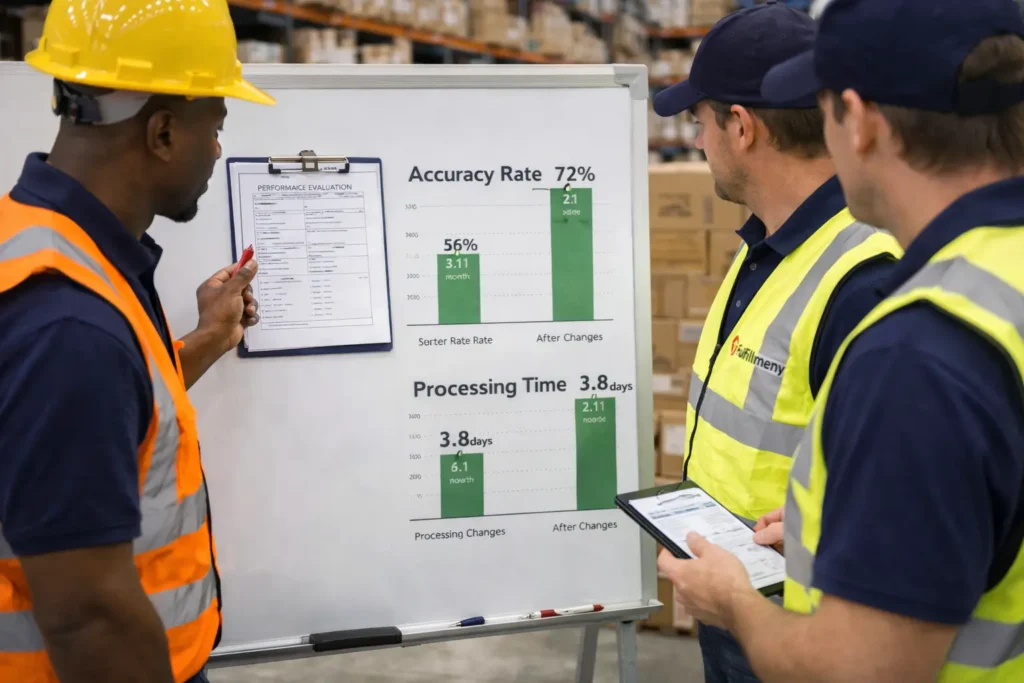
A 3PL contract decides who pays when orders go wrong. Use this checklist of service levels, liability terms, fees and exit clauses, with benchmark numbers, before you sign with a fulfillment partner.
How to Switch 3PL Providers Without Losing Orders

Switching 3PL providers is mostly an inventory and timing problem. This migration checklist covers contracts, integration, moving stock across borders and a week-by-week plan that keeps orders shipping.
When to Outsource Fulfillment: 8 Signs It Is Time

Knowing when to outsource fulfillment comes down to cost, time and growth. These eight signs show you have outgrown packing orders yourself, plus a simple way to calculate your true in-house cost per order.
3PL With No Minimums: How It Works and When It Makes Sense

A 3PL with no minimums charges only for what you store and ship, with no monthly floor or volume commitment. Here is how the model is priced, the trade-offs, and a volume-based guide to when it fits.
What Is a Stockout? Real Costs and How to Prevent It

A stockout is what happens when available inventory reaches zero while customers still want to buy. The order cannot be fulfilled, the product page goes dark, and the customer goes elsewhere often for good. That single event costs more than the immediate lost sale. According to a 2023 analysis by IHL Group, inventory distortion of […]
How to Get an Accurate 3PL Quote: 12 Numbers to Prepare First

A 3PL quote is only as accurate as the data you give the warehouse. These are the 12 numbers to prepare before you ask, plus a ready-to-send quote request template.
China Fulfillment Cost in 2026: What You Actually Pay Per Order
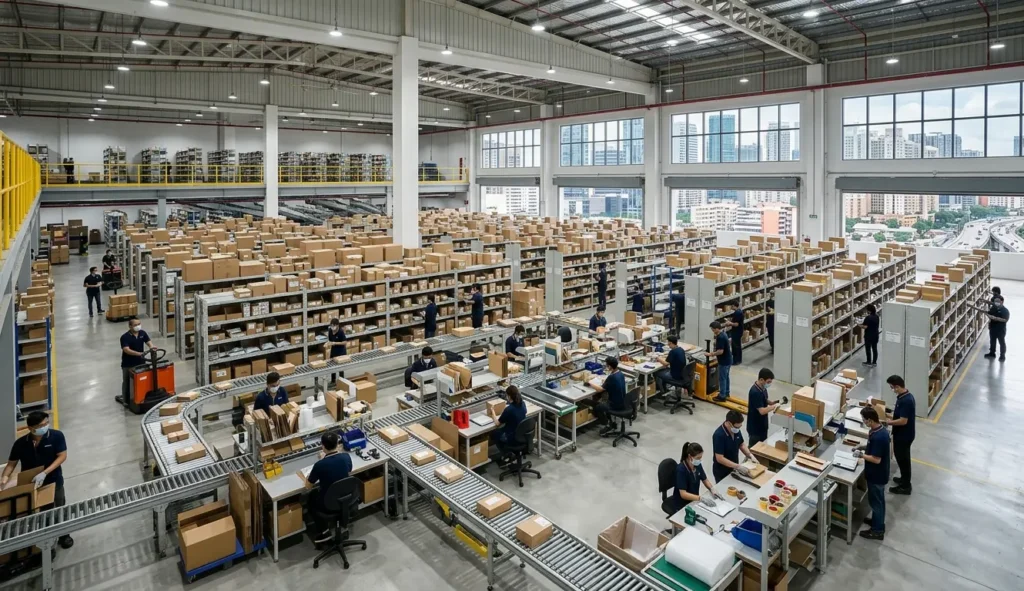
China fulfillment cost is made of four lines: storage, handling, packaging and shipping. Here is how each one is priced in 2026, a worked per-order example, and the fees worth questioning before you sign.
What Is Inventory Turnover Ratio and What Does Your Number Tell You?

Your inventory turnover ratio is one number that tells you whether your inventory is working for your business or quietly working against it. A high ratio means product is moving; you are selling through stock quickly, freeing up cash and keeping storage costs low. A ratio that is too low means capital is sitting in […]
What Is White Label and How Does It Actually Work in Ecommerce?

White label is a business model in which a manufacturer produces a generic product and sells it to multiple brands, each of which applies its own name, logo, and packaging and sells it as their own. The product itself is identical across every brand that carries it. What differs is the branding around it. The […]