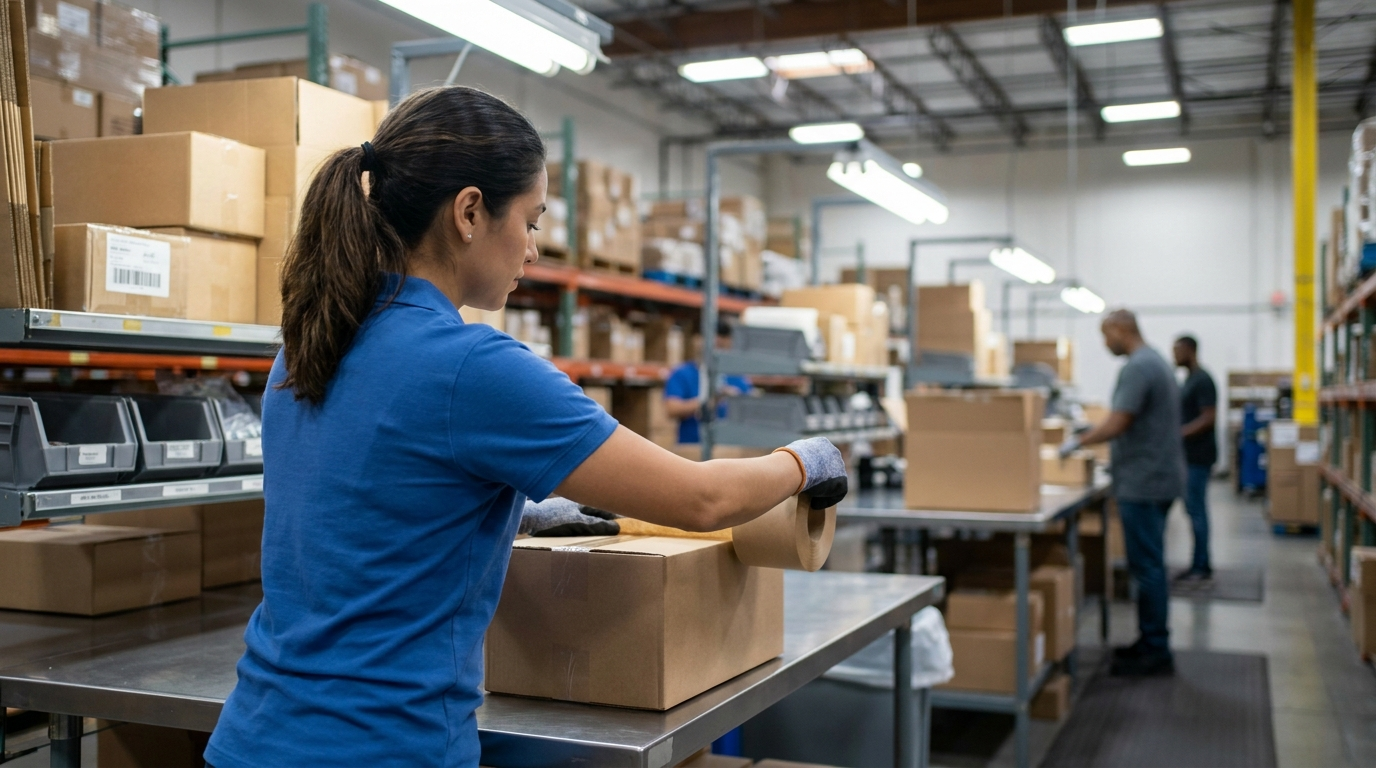
Since 1 January 2026, Amazon no longer prepares or labels inventory for FBA shipments in the United States. Every unit must now arrive at the fulfillment center already carrying its FNSKU barcode and the right protective packaging, or the shipment risks receiving delays, non-compliance fees or refusal. For brands whose products are made in China, the simplest answer is often FBA prep in China: label, bag and carton the goods at origin, then ship them to Amazon ready to receive.
This guide explains what changed, what “FBA ready” means in practice, and how prepping at origin compares with doing it yourself or using a US prep center. If you want it handled for you, see our FBA prep service.
Fulfillmen runs FBA prep from its China warehouses, so we sell what this guide describes. The Amazon change is taken from reporting by Hopstack and SupplyChain247, checked in October 2026. Prep rules vary by category, so confirm your products against Amazon’s packaging and prep requirements in Seller Central before you ship.
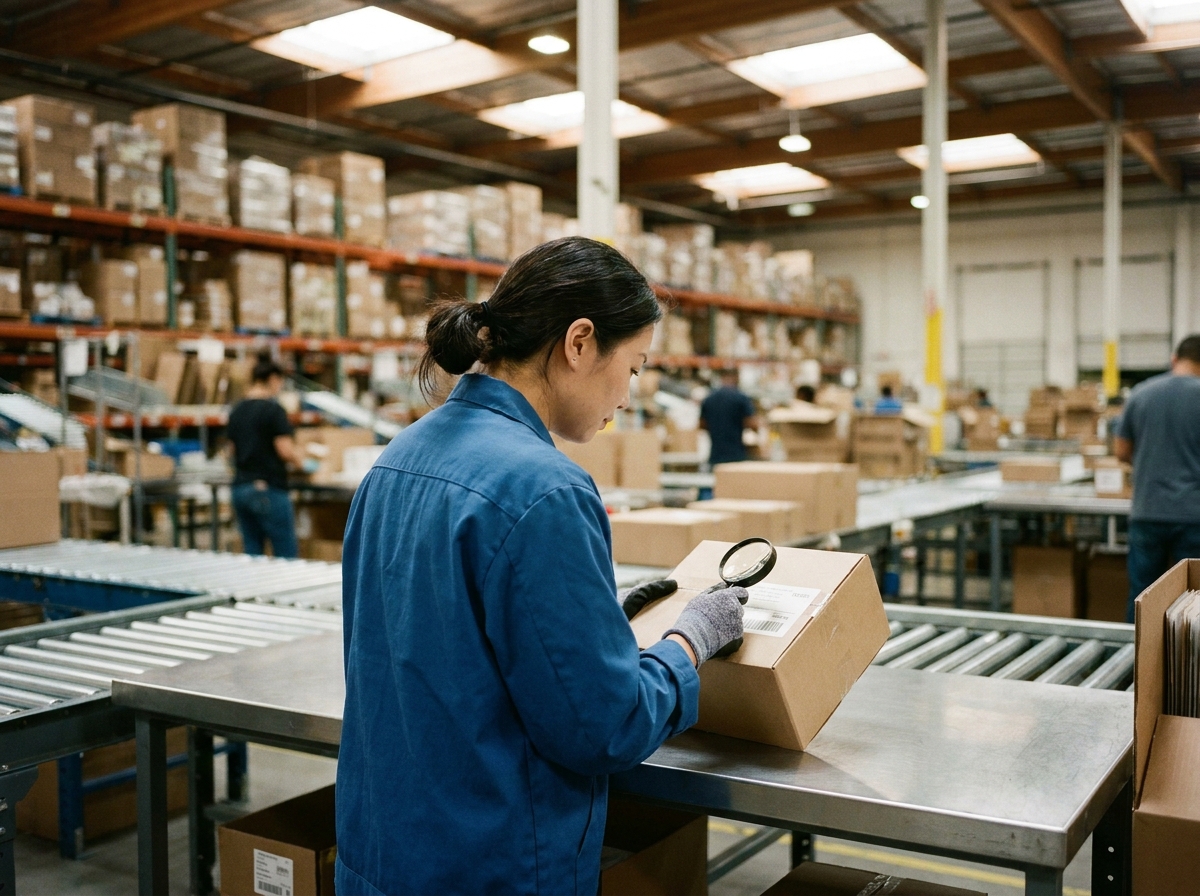
What Amazon changed in 2026
Before 2026, sellers could ask Amazon to apply FNSKU labels or bag and wrap items for a per-unit fee. That option has gone for US shipments, whether stock is sent straight to a fulfillment center or through Amazon Warehousing and Distribution. Amazon’s developer documentation also stopped accepting “AMAZON” as the prep owner or label owner when shipments are created through the Selling Partner API, so the seller must now be the owner of both.
Amazon FBA prep in the US, before and after 1 January 2026
| Task | Before 2026 | From 1 January 2026 |
|---|---|---|
| FNSKU item labels | Amazon could label for a fee | Seller must label before arrival |
| Poly bagging, bubble wrap, taping | Amazon could prep for a fee | Seller must prep before arrival |
| Prep owner and label owner in shipment plans | Amazon or seller | Seller only |
| Non-compliant units | Often fixed at the dock for a charge | Delays, fees or refused shipments |
Source: Hopstack and SupplyChain247 summaries of Amazon’s announcement. The change applies to the US marketplace.
What FBA ready actually means
A shipment is ready for Amazon when every unit can be scanned and stored without anyone touching it again. In practice that comes down to six checks.
- FNSKU label: one scannable label per sellable unit, covering any other barcode such as the manufacturer’s UPC.
- Poly bags: transparent bags for loose or dust-sensitive items, with a suffocation warning printed on bags with an opening of 5 inches or more.
- Protective packaging: bubble wrap or a box for fragile and glass items, so they survive a drop test.
- Sets and bundles: items sold together taped or bagged as one unit and marked “Sold as set, do not separate”.
- Expiry dates: dated products show the expiry date on the unit and the carton.
- Cartons: correct box labels, accurate box contents information, and standard cartons kept within Amazon’s US limits of 50 lb and 25 inches on any side unless a single item is larger.
Three ways to prep FBA inventory now
With Amazon out of the picture, someone else has to do this work. Each option suits a different kind of seller.
FBA prep options compared for China-made products
| Option | Best for | How many times stock is handled | Main risk |
|---|---|---|---|
| Prep yourself | Very small volumes shipped to your own address first | Twice: once by you, once by Amazon | Your time, plus a second domestic shipment |
| US prep center | Stock that already lands in the US in bulk | Three times: port, prep center, Amazon | Extra trucking leg and US labour rates |
| Prep in China at origin | Products made in China shipped to Amazon by sea or air | Once at origin, then Amazon receives it | Labels must be right before export |
The difference is the number of touches. When goods are labelled and bagged in the same China warehouse that receives them from the factory, the cartons can travel straight to an Amazon fulfillment center. There is no extra US warehouse, no second trucking leg and no waiting in a prep queue during peak season.
Not sure which prep route fits your products? Send us your ASINs, monthly units and the fulfillment centers you ship to, and we will compare origin prep with your current setup.
Worked example: origin prep versus a US prep center
The fairest way to compare is cost per unit received at Amazon. Use the same product and freight, and change only where prep happens.
Cost per unit at Amazon = prep + extra handling and transport between landing and Amazon + cost of rejected or delayed units
Product cost, ocean or air freight and duty are the same in both routes, so they cancel out of the comparison.
Illustrative comparison for 2,000 units, using assumed rates. Replace them with your own quotes
| Line | US prep center | Prep in China |
|---|---|---|
| Prep and label per unit (assumed) | $0.90 × 2,000 = $1,800 | $0.35 × 2,000 = $700 |
| Port or warehouse to prep center trucking (assumed) | $450 | $0 |
| Prep center to Amazon trucking (assumed) | $350 | $0 (cartons ship direct to the fulfillment center) |
| Total extra cost | $2,600 | $700 |
| Extra cost per unit | $1.30 | $0.35 |
Check: 1,800 + 450 + 350 = 2,600, and 2,600 ÷ 2,000 = $1.30. 700 ÷ 2,000 = $0.35. The rates are assumptions for illustration, not quotes. Your own numbers will move with product size, units per carton and how far the prep center sits from the port. For the full cost of each unit, add prep to your landed cost from China.
The gap usually comes less from the labour rate than from the trucking legs you remove. A product that already ships in master cartons sized for Amazon gains the most.
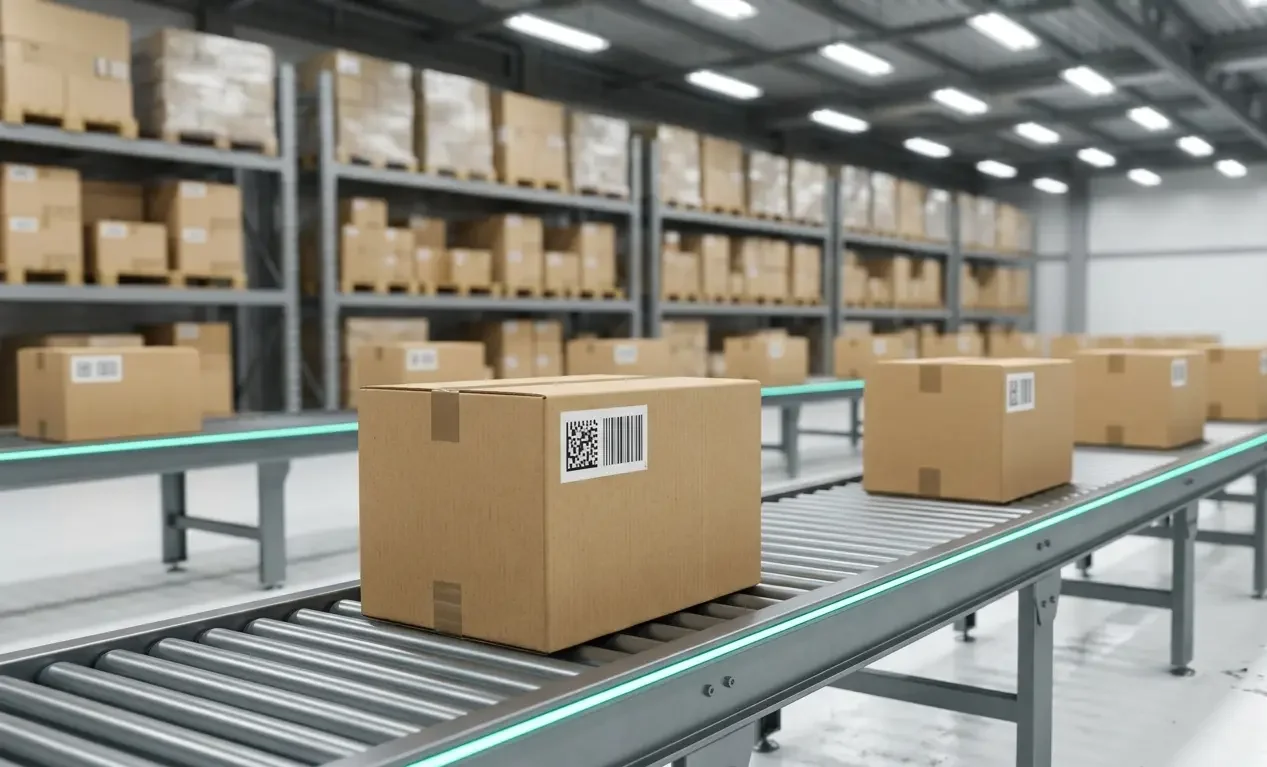
How FBA prep in China works, step by step
- Create the shipment plan in Seller Central with yourself as prep owner and label owner, and download the FNSKU and carton labels.
- Share the labels and Amazon’s prep notes for each ASIN with your China warehouse.
- Your supplier delivers to the warehouse instead of the port. Our guide to sending supplier inventory to a China fulfillment center covers carton marks and the inbound notice.
- The warehouse counts and inspects the goods, so faulty units never reach Amazon. See what a good check covers in our fulfillment quality control guide.
- Each unit is labelled, bagged or wrapped, and packed into cartons that meet Amazon’s weight and size limits.
- Cartons are labelled and box contents are confirmed against the shipment plan.
- Freight is booked to the fulfillment center, usually on a duty-paid lane so customs is settled before arrival. Our guide to shipping from China to Amazon FBA explains the freight options.
Mistakes that get FBA shipments delayed or refused
- Leaving the manufacturer barcode visible next to the FNSKU, so the scanner reads the wrong code.
- Using poly bags without a suffocation warning, or bags that are not transparent.
- Mixing units from different shipment plans in one carton.
- Overweight cartons, which need special labels and handling.
- Box contents that do not match what was declared in the shipment plan.
- Printing labels at the wrong size or on glossy stock that will not scan.
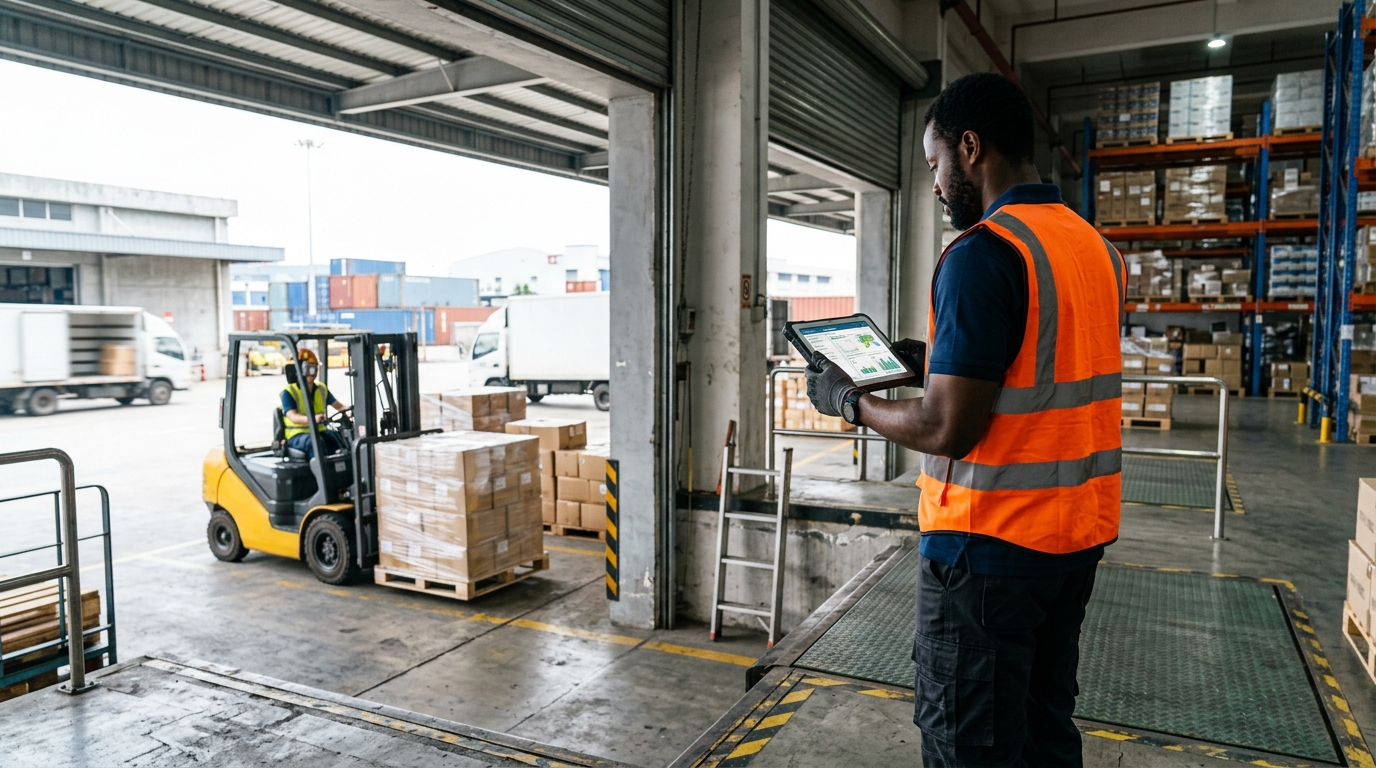
Want your next Amazon shipment prepped before it leaves China? We receive stock from your factory, inspect it, label and bag every unit, then ship cartons straight to the fulfillment center.
Do this next
Pull up your next shipment plan, list the prep each ASIN needs, and check your carton sizes against Amazon’s limits. Then send us the plan and your factory’s pickup address, and we will quote prep and freight to the fulfillment center in one price.
Get an FBA Prep Quote →Frequently asked questions
Did Amazon stop FBA prep services?
Yes, in the US. From 1 January 2026 Amazon no longer offers item labelling or prep services for FBA shipments in the United States, so inventory must arrive already labelled and prepped. Check Seller Central for other marketplaces, where the rules can differ.
Who preps my FBA inventory now?
You, a US prep center or a warehouse at origin. For products made in China, prepping in the China warehouse that receives goods from your factory usually means fewer handling steps and no extra trucking leg in the US.
Can a China warehouse apply FNSKU labels before shipping?
Yes. You download the FNSKU and carton labels from your shipment plan and share them with the warehouse, which labels each unit and carton before the goods are exported.
Is it cheaper to prep in China or in the US?
It often is for China-made goods, mainly because origin prep removes the trucking leg to and from a US prep center. Compare cost per unit received at Amazon using your own quotes, as in the worked example above.
What happens if my FBA shipment is not prepped correctly?
Amazon will no longer fix it. Non-compliant shipments can face receiving delays, non-compliance fees or refusal, so labels, bags and carton details need to be right before the goods leave the warehouse.