If you’re dropshipping from China, ePacket vs private line shipping is one of the most important decisions you’ll make and most sellers get it wrong by defaulting to whichever option their supplier auto selects. ePacket was the undisputed best dropshipping packet service for over a decade. In 2026, that’s no longer true. Private line logistics has overtaken ePacket on nearly every metric that matters: speed, tracking quality, weight capacity, and DDP customs handling. But ePacket isn’t completely dead either there are still specific scenarios where it makes sense.
Private lines are the default inside our dropshipping fulfillment service.
This guide breaks down exactly how each method works under the hood, what the real differences are, and which one to choose based on your product, your margin, and your customers’ expectations.
What Is ePacket Shipping and How Does It Actually Work?
The Origins of ePacket
ePacket started as a bilateral agreement between China Post, Hong Kong Post, and the postal services of destination countries USPS in the US, Royal Mail in the UK, Canada Post, and around 40 others. The deal was designed to give small, lightweight cross border parcels a faster, trackable route than standard international air mail which previously had no tracking and often took 6–8 weeks.
When it launched, ePacket solved a real problem. Dropshippers could ship a $5 phone case from Shenzhen to New York in 15 days with tracking, for under $3. That combination of price, speed, and visibility was genuinely revolutionary for the time.
How ePacket Physically Moves
Here’s the part most guides skip: understanding HOW ePacket moves explains exactly why it has its limitations. ePacket packages are collected from Chinese suppliers, sorted by destination country, and loaded into the belly cargo hold of commercial passenger flights the same planes carrying tourists and business travellers. That cargo space is cheap precisely because the airline is already flying the route regardless.
When the package lands in the destination country, it’s handed off to the local postal service USPS in the US for final mile delivery. That handoff point is where ePacket tracking frequently goes quiet. The scan rate drops. Updates slow to days at a time. And if anything goes wrong at customs, ePacket has no dedicated support channel to escalate through you’re dealing with standard postal bureaucracy.
ePacket's Hard Limits in 2026
The structural weaknesses that always existed in ePacket have become more painful since 2020:
- Weight cap: 2 kg maximum. Anything heavier simply can’t use ePacket.
- Value cap: $400 declared value. Limits the product range it suits.
- Passenger flight dependency. Post COVID, passenger flight frequency never fully recovered on some routes, creating capacity gaps that push ePacket transit times higher.
- No DDP option. With the US de minimis exemption eliminated since May 2025, every Chinese shipment now needs customs processing. ePacket leaves this entirely to the buyer a significant customer experience problem.
- ePacket transit time to US: 15–25 days on average in 2026. Some sellers report 30+ days during peak season.
What Is Private Line Shipping and Why Is It Different?
The Private Line Infrastructure Explained
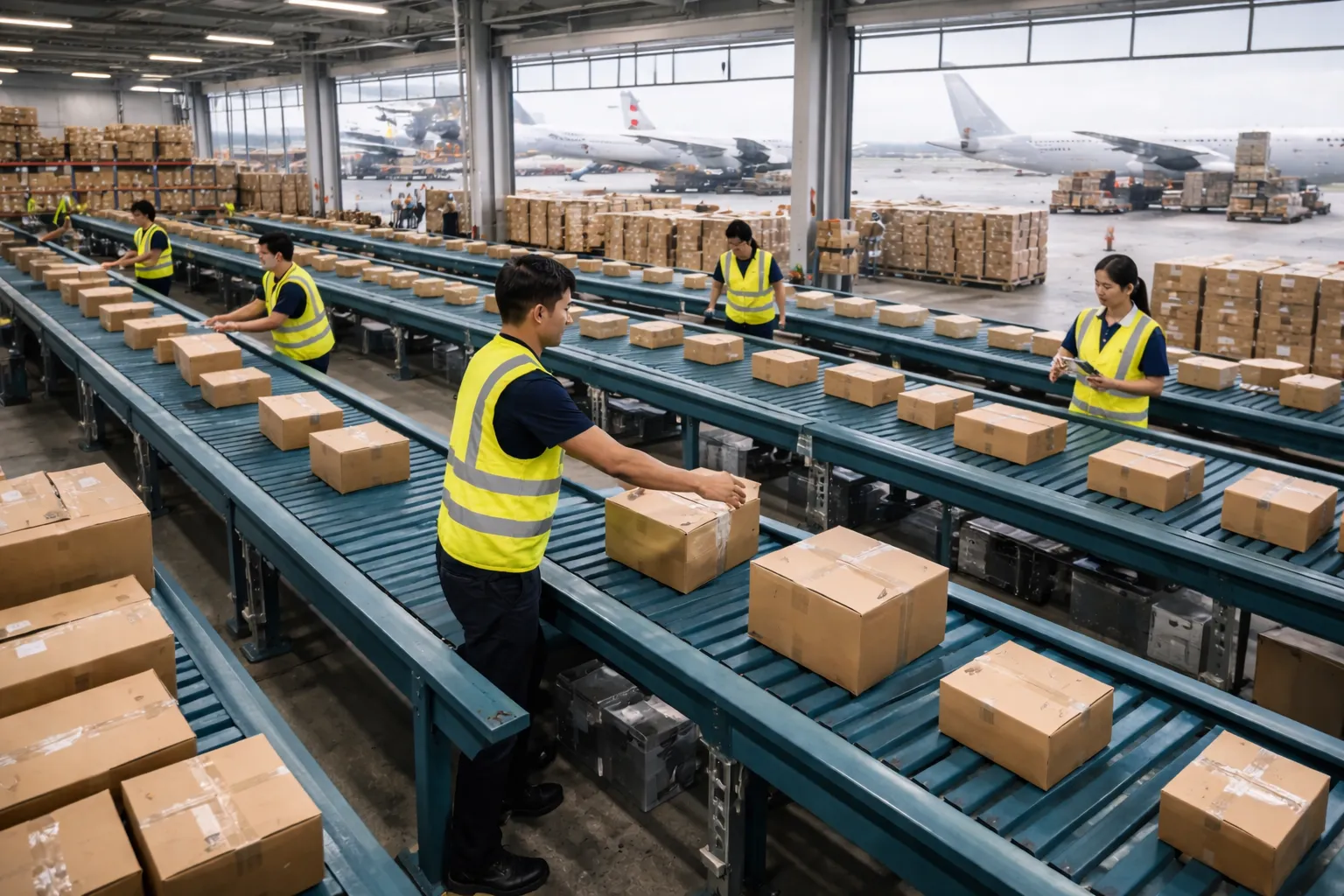
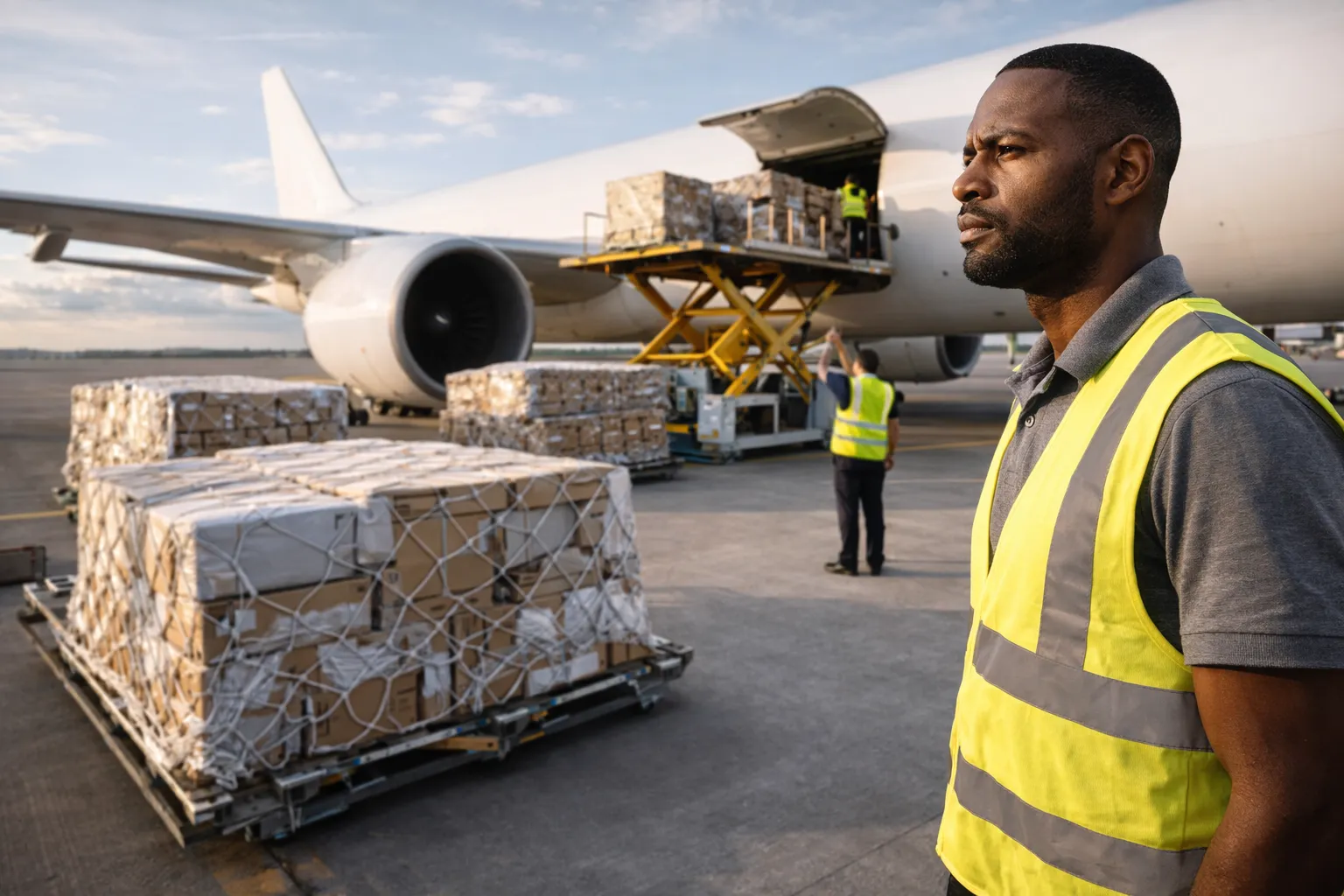
Private line shipping also called special line or dedicated logistics line is a completely different infrastructure to ePacket. Companies like YunExpress, 4PX, CNE Express, Yanwen, and SF Express don’t rely on passenger flight belly cargo. They operate as logistics intermediaries that consolidate eCommerce packages from across China, then move them as dedicated freight on chartered or block-booked cargo flights directly to the destination country.
Here’s the step by step flow that makes private lines faster:
- Packages collected from your China 3PL or supplier and delivered to a private line hub (typically in Shenzhen, Guangzhou, or Shanghai)
- Packages sorted by destination country and consolidated into cargo shipments
- Cargo moves on dedicated freight flights not passenger belly hold with fixed, reliable schedules running 2–6 times per week per major lane
- On arrival at the destination country’s major cargo airport, packages clear customs through the private line operator’s established commercial customs channels
- Handoff to a local final mile carrier USPS in the US, Royal Mail in the UK, DHL in Germany for domestic delivery
The key difference is control. Private line operators own or contract the full pipeline from Chinese collection point to customs clearance. They’re not dependent on passenger flights, postal system handoffs, or general postal customs channels. That control is what produces faster, more consistent ePacket transit times.
The Major Private Line Carriers
Not all private lines are identical. Here’s how the main ones differentiate:
YunExpress — The most widely used private line for dropshipping to the US and Europe. Founded 2014, covers 220+ countries. Transit time to US: 7–12 days. Offers DDP customs handling, real time daily tracking updates, and on time rates above 95%. Slightly higher cost than ePacket but significantly faster and more reliable. Weight limit: up to 30 kg.
4PX — Major carrier deeply integrated with eBay, AliExpress, and Wish. Offers multiple service tiers from economy (15–25 days) to express (5–15 days). Strong EU coverage. Economy tier is priced close to ePacket. Express tier competes with DHL on speed but at significantly lower cost.
CNE Express — Strong performer for EU destinations, particularly France, Germany, and Italy. Transit times 7–15 days to major EU markets. Good tracking continuity and competitive rates for European dropshipping.
SF Express Special Line — Premium private line operated by China’s largest domestic courier. 8–13 days to US including weekends. Higher cost than YunExpress or 4PX but more reliable, with SF Express’s direct delivery network rather than handoff to local post in some markets.
Yanwen — Economy private line, positioned slightly above ePacket in speed (12–20 days to US) and slightly higher in cost. Good for very price sensitive products where margins don’t support YunExpress rates.
ePacket vs Private Line Full Comparison
Feature | ePacket | Private Line (YunExpress/4PX) |
Transit time to US | 15–25 days | 7–15 days |
Tracking quality | Basic, gaps mid-transit | Daily real-time updates |
Weight limit | 2 kg max | Up to 30 kg |
DDP option | ❌ No | ✅ Yes (YunExpress, 4PX) |
Coverage countries | ~40 countries | 150–220+ countries |
Cost per 500g | ~$2–$4 | ~$4–$8 |
Customs handling | Buyer responsibility | Seller-managed via operator |
Reliability | Variable | 95%+ on-time |
Peak season impact | High (passenger flight disruption) | Lower (dedicated freight) |
Best for | Ultra-low margin, <2kg, price-sensitive | Most dropshipping in 2026 |
The Tracking Quality Problem Why It Costs You Real Money
ePacket Tracking Gaps Trigger Disputes
Here’s a practical consequence of ePacket’s postal infrastructure that most comparison guides ignore: when ePacket tracking goes dark which it regularly does for 5–10 days mid transit customers panic. They open disputes. They file “item not received” claims. And without delivery confirmation showing in the tracking history, you lose those disputes automatically.
Private line carriers update tracking daily throughout the entire shipment journey. YunExpress tracking shows pickup in China, cargo processing, flight departure, arrival in destination country, customs clearance, handoff to local carrier, and final delivery scan. That continuous visibility means customers aren’t filing disputes over packages that are still in transit. It also means you have documentary evidence if a genuine dispute arises.
According to Inbound Logistics, shipment visibility throughout the logistics chain is a core driver of customer experience and in dropshipping specifically, tracking quality directly determines your chargeback rate. Switching from ePacket to a private line with daily tracking updates can meaningfully reduce dispute losses.

DDP and the 2026 Customs Reality
ePacket Has No Answer to De Minimis Elimination
Since May 2025, every shipment from China to the US requires formal customs entry regardless of value. The $800 de minimis exemption is gone. Under ePacket, customs handling is the buyer’s responsibility they receive the package after customs processes it, potentially with a duty bill attached. Under private line shipping with DDP option enabled, the operator handles customs clearance and duty payment as part of the shipping arrangement.
This functional difference matters enormously for customer experience. A buyer who ordered a $25 gadget and gets a $30 customs bill on arrival will blame your store even though the policy change has nothing to do with you. A DDP private line shipment arrives at their door with no additional charges. The purchase experience matches what they expected at checkout.
According to the CSCMP supply chain glossary, Delivered Duty Paid is the Incoterm where maximum seller responsibility produces the smoothest buyer experience a direct commercial advantage in competitive eCommerce markets. ePacket simply can’t offer this. Private lines can.
When ePacket Still Makes Sense
Three Scenarios Where ePacket Wins
Private lines aren’t always the right call. Here’s when ePacket is still worth using:
Testing new products with minimal commitment. If you’re running a test on a new product at very low volume 10–20 orders ePacket’s lower cost per shipment makes sense for proof-of-concept. Don’t invest in private line infrastructure for products you’re not sure will sell.
Ultra-low margin products where $1–$2 shipping difference kills profitability. If you’re selling a $6 product with $3 margin, the cost difference between ePacket and YunExpress is the difference between profit and loss. In those cases, manage customer expectations clearly and use ePacket.
Shipping to countries where private lines have limited coverage. Some smaller markets parts of Southeast Asia, certain African countries, remote Pacific destinations have stronger ePacket coverage than private lines. Check your specific destination before assuming private line is available.
Outside these three scenarios, private line logistics is almost always the better choice for dropshipping in 2026.
How Fulfillmen Plugs Into the Best Private Line Setup
Most dropshippers don’t have direct access to negotiate with YunExpress, 4PX, or CNE at good rates. Those negotiations require consistent volume and established commercial relationships. That’s exactly what a professional 3PL brings to the table.
Pre Negotiated Private Line Rates Passed Through to Your Orders
Fulfillmen’s fulfillment services ship via optimised private line carriers YunExpress, 4PX, and equivalent operators across all major dropshipping destinations. Because Fulfillmen ships combined volume across all clients, the carrier rates are commercially negotiated well below what individual dropshipping sellers can access directly. That means better private line pricing regardless of your individual order volume.
DDP on Every Shipment No Customs Surprises for Your Customers
Fulfillmen’s logistics services include DDP handling built into the China to US fulfilment process. Duties are handled as part of the shipment arrangement. Your customers receive their orders with no additional customs bills. Your store doesn’t get disputes about unexpected charges. And your customs documentation is handled professionally with correct HS codes and declared values reducing the chance of customs examination holds that add days to your shipping time.
With warehouses in China, Hong Kong, India, and the USA, Fulfillmen gives you flexible shipping options private line for international orders, domestic fulfilment for US customers at 3–5 day delivery speeds. Pay as you send with no minimums and 90 days free storage means you can scale your dropshipping operation without logistics commitments that don’t match your order volume. Get a free quote today and find out which private line setup fits your specific products and markets.
FAQs: ePacket vs Private Line Shipping
What is the main difference between ePacket and private line shipping?
The infrastructure. ePacket routes through national postal systems China Post or Hong Kong Post hands the package to USPS, Royal Mail, or equivalent local post at the destination. Private lines like YunExpress or 4PX use dedicated freight flights with their own cargo arrangements and hand off to local carriers only for final mile delivery. The result is faster transit (7–15 days vs 15–25 days), better tracking continuity, higher weight limits, and DDP customs options that ePacket can’t offer.
Is private line shipping always better than ePacket?
For most dropshipping scenarios in 2026, yes. The cost premium is small typically $1–$3 per 500g and the improvement in speed, tracking quality, and customs handling justifies it for any product with a reasonable margin. The exceptions are very low margin products where the cost difference kills profitability, new product tests at low volume, and destinations where private line coverage is limited. Outside those scenarios, switch to private line.
What is the best private line carrier for dropshipping to the US?
YunExpress is the most widely recommended for US bound dropshipping 7–12 day transit, daily tracking updates, DDP option, 95%+ on time rate, and cover 220+ countries. 4PX is a strong alternative with deeper eBay and AliExpress integration and a wider range of service tiers. For budget conscious sellers who want something faster than ePacket but cheaper than YunExpress, Yanwen sits in the middle at 12–20 days.
What happened to ePacket transit times why are they so slow now?
ePacket relies on commercial passenger flight belly cargo for international transit. Post COVID, passenger flight frequency on some China to destination routes never fully recovered, reducing available cargo capacity and making ePacket schedules less reliable. At the same time, private line operators invested in dedicated cargo flight contracts that provide consistent capacity regardless of passenger travel volumes. The structural disadvantage in ePacket’s model has widened since 2020.
Does ePacket handle customs duties automatically?
No and this is a critical limitation in 2026. Under ePacket, the buyer is responsible for any customs duties on arrival. Since the US eliminated the $800 de minimis exemption for Chinese goods in May 2025, every shipment requires customs processing. Buyers receiving ePacket shipments may face customs duty bills they weren’t expecting. Private line carriers with DDP options handle customs clearance and duty payment as part of the shipping arrangement no surprise charges for your customers on delivery.
Can I use private line shipping through a 3PL like Fulfillmen?
Yes and this is typically the most cost effective way to access private line logistics. A 3PL like Fulfillmen has pre negotiated volume rates with carriers like YunExpress and 4PX that individual dropshipping sellers can’t access independently. Your orders sync automatically from your Shopify or WooCommerce store, get dispatched via the most appropriate private line for the destination and weight, and tracking numbers push back to your store automatically. DDP handling is included on China to US routes.