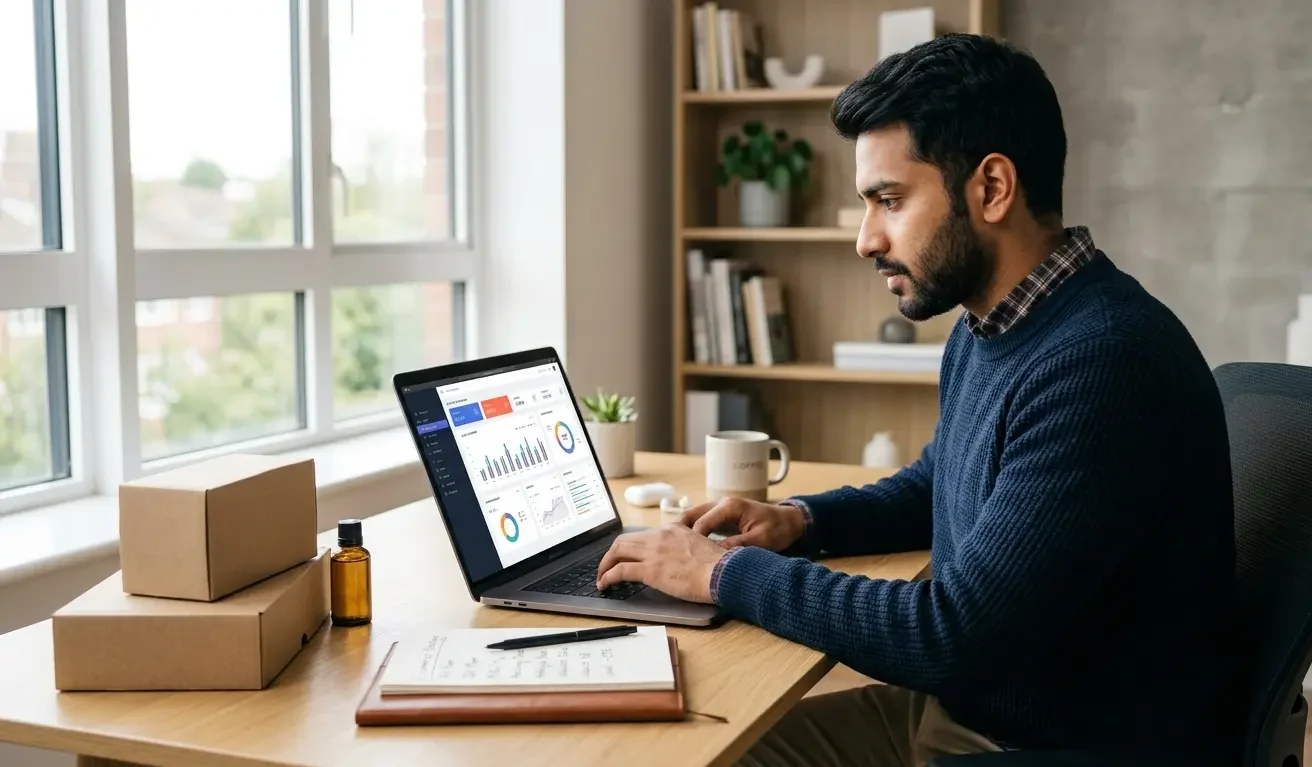
Learning how to start dropshipping is one of the most searched questions in e-commerce and for a good reason. The model is genuinely accessible. You don’t hold inventory, you don’t pack boxes, and you don’t need a warehouse. When a customer orders from your store, your supplier ships the product directly to them, and you keep the difference between wholesale and retail price. But here’s what most beginner guides won’t tell you: starting is easy. Staying profitable as you grow is where most dropshippers fail.
The global dropshipping market reached $343 billion in 2026, according to Global Market Insights, and it’s projected to hit $1.84 trillion by 2035. That growth isn’t hype it reflects how mainstream the model has become. The opportunity is real. So is the competition. This guide walks you through the complete dropshipping step by step process, from picking a niche to placing your first order, while building for long-term profitability from day one.

What Is Dropshipping and How Does the Business Model Actually Work
Dropshipping is a retail fulfillment model where you sell products without ever owning or stocking them. You list products in your online store, a customer places an order and pays the retail price you’ve set, and you forward that order to your supplier at the lower wholesale price. The supplier ships directly to your customer. Your profit is the margin between what the customer paid and what the supplier charged you.
The Numbers Behind the Model
The average dropshipping profit margin sits between 15% and 30% after accounting for product costs, shipping, platform fees, and advertising. Beginners typically earn $500 to $2,000 per month in their first six months, while experienced operators with proven systems regularly generate $10,000 per month or more. The key distinction is that revenue doesn’t equal profit. Many early stage dropshippers generate sales while unknowingly losing money because their margins can’t absorb ad spend, returns, and fees simultaneously.
What You're Actually Responsible For
As a dropshipper, your job isn’t logistics it’s marketing, customer experience, and brand positioning. You handle your store, your ads, your customer support, and your pricing strategy. Your supplier handles inventory, packaging, and physical shipment. That division works beautifully at small volumes. Understanding where it starts to strain (which we’ll address later in this guide) is what separates dropshippers who scale from those who plateau.
Step 1: Choose a Profitable Niche Before You Choose a Product
The single biggest mistake beginners make is picking a product before picking a niche. A niche is your focused market segment the specific audience your store serves. Niche-specific stores consistently outperform general stores because they build customer loyalty, command better pricing, and create brand identities that stick.
How to Validate a Niche Before Committing
Don’t choose a niche based on personal interest alone. Use Google Trends to confirm stable or rising demand over a 90-day window. Browse Amazon Best Sellers and AliExpress trending categories to see what’s moving. Check Facebook Ad Library and TikTok to see what competitors are actively spending on if ads are running consistently, the niche is profitable enough to support them.
The Best Dropshipping Niches in 2026
The strongest performing niches right now combine passionate buyers with consistent demand and margins that survive advertising costs. Pet accessories, home organization products, health and wellness tools, eco-friendly alternatives, and tech accessories are all outperforming. The sweet spot for product pricing is $40 to $150 high enough to support ad spend, low enough that buyers don’t hesitate for long.
What Makes a Winning Product Within Any Niche
Apply a simple four point test before importing any product: Does it solve a visible problem? Can it be marketed visually (video-friendly)? Does the margin work at a 3x markup minimum? Does it have low return risk? Products that pass all four problem solving tools, posture correctors, kitchen gadgets, pet wellness items consistently outperform products that only pass two or three.
Step 2: Find Reliable Dropshipping Suppliers
Your supplier is your business partner. Poor quality, slow shipping, or inconsistent stock from your supplier becomes your customer service problem. That reality is non negotiable when you’re building a dropshipping guide for beginners supplier selection isn’t a minor step, it’s a make or break decision.
Where to Find Dropshipping Suppliers
AliExpress is where most beginners start. It’s accessible, free, and has millions of products. DSers integrates directly with Shopify and automates much of the order placement process. Alibaba works better for higher volume sourcing and private-label opportunities. Printify and Printful serve the print on demand segment. For US-based fulfillment (which dramatically improves delivery times), suppliers through AutoDS and Zendrop operate domestic warehouses.
How to Vet a Supplier Before You Commit
Order samples before you list anything. Check supplier ratings, response time, and the quality of their product images. Look at their fulfillment speed in 2026, customers expect delivery within 5 to 7 business days at most. Suppliers shipping from overseas with 20 to 30 day windows will destroy your review score and return rate. Fast shipping is no longer a competitive advantage. It’s an expectation.
The Fulfillment Question Most Beginners Ignore
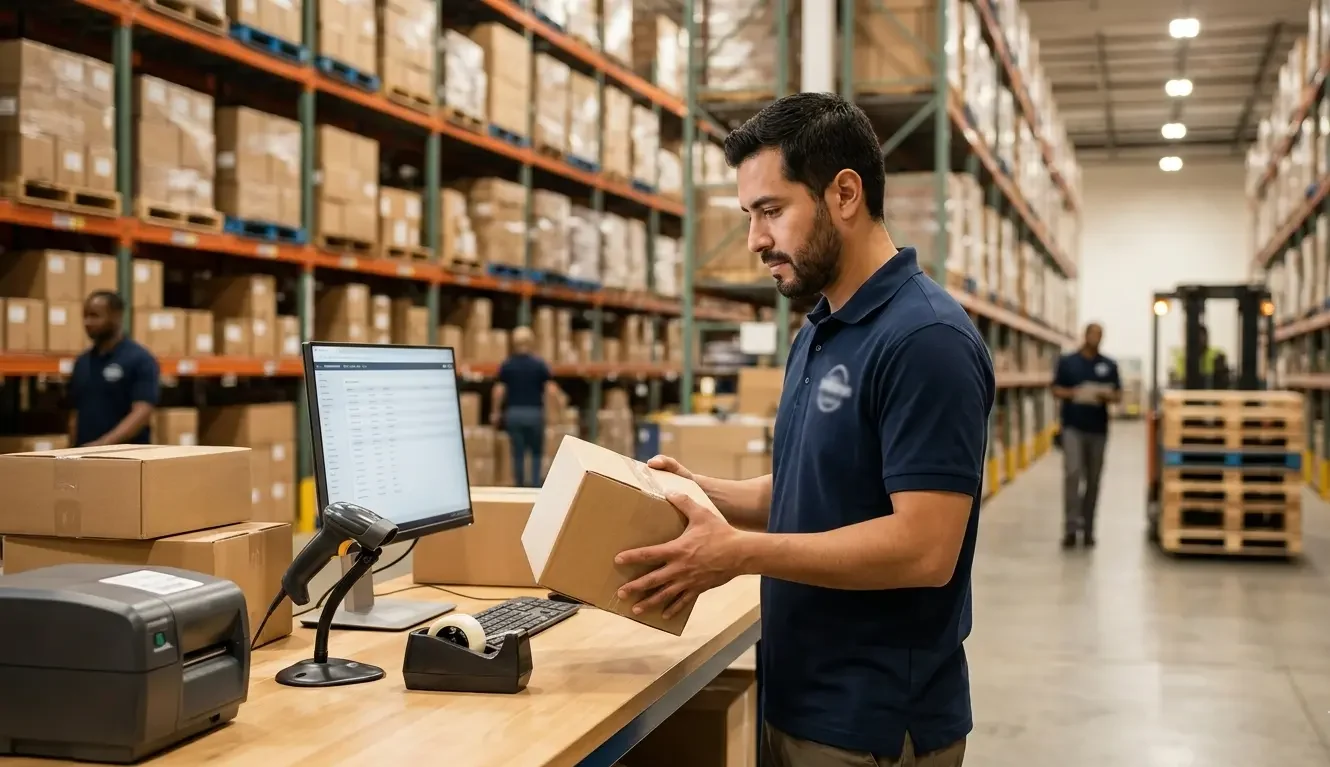
Here’s what no other dropshipping guide covers: at some point, your supplier ships it model stops working. When you start hitting consistent volume typically 50 to 100 orders per day you lose control over packaging quality, shipping speed, and customer experience. That’s when successful dropshippers transition to a third party logistics (3PL) partner who holds their inventory, fulfills orders from domestic warehouses, and ships under their brand. We’ll return to this under the Fulfillmen section later.
Step 3: Build Your Dropshipping Store
Your store is the conversion engine. A strong store with a weak product will struggle. A strong product with a weak store will lose sales at the last step. Both need to be right.
Choosing the Right Platform for Your Store
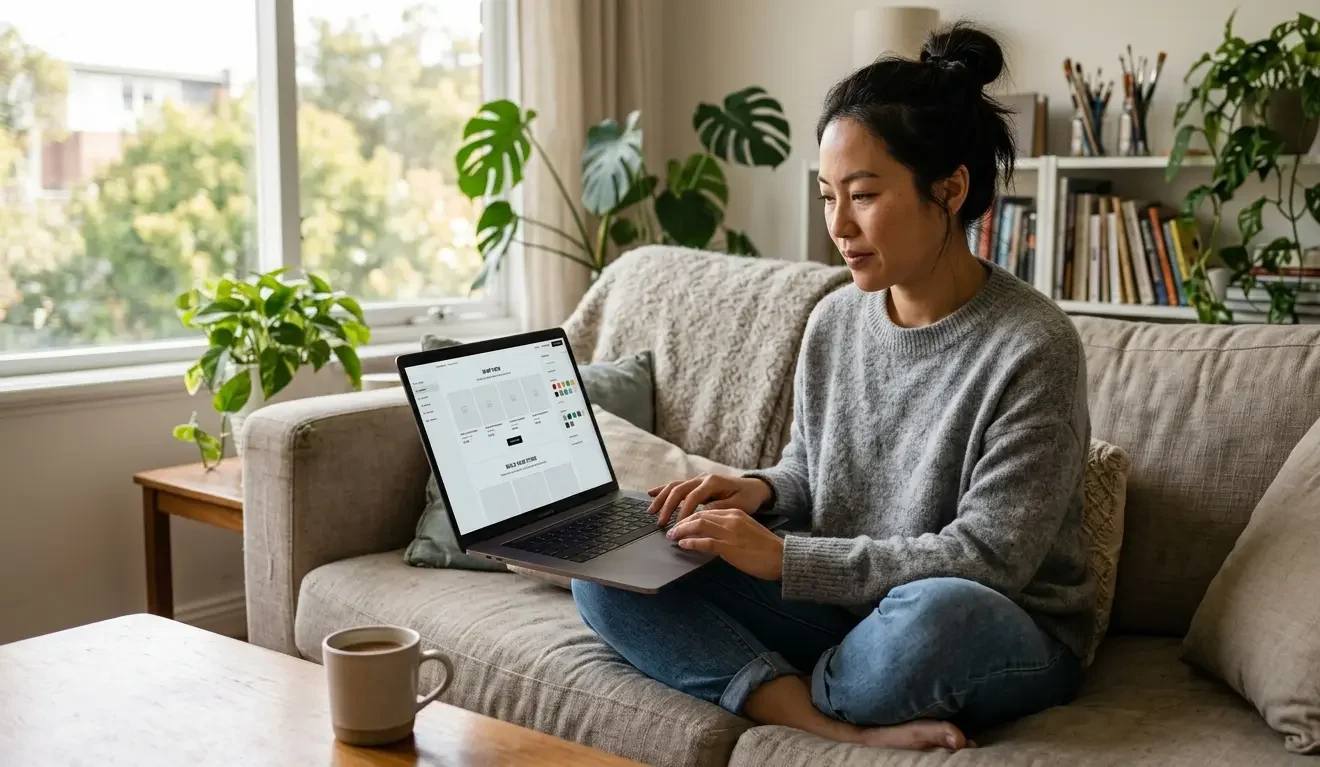
Shopify is the most beginner friendly platform for dropshipping, with native integrations for DSers, AutoDS, and most supplier tools. WooCommerce on WordPress offers more flexibility but requires more technical setup. Wix is accessible but has fewer dropshipping specific integrations. For most beginners starting their first dropshipping business, Shopify is the lowest-friction path to a live store.
What Your Store Needs Before Launch
Your store needs a professional theme, a clear product page structure (strong images, specific benefit focused copy, visible reviews), a returns policy, and a fast checkout. You’ll also need a custom domain (roughly $15 per year) and your first month of platform subscription. A functional store can be launched for under $100. Don’t spend on apps and tools until you have a validated product generating real sales data.
Pricing Your Products Correctly
The 3x markup rule is the industry floor, not the ceiling. If your supplier charges $15, you shouldn’t sell for less than $45. That gap needs to absorb shipping costs, ad spend, platform fees, payment processing fees (typically 2 to 3%), and occasional returns. Niche audiences and branded positioning often support 4x to 5x markups. Build your pricing from costs outward, not from competitor prices inward.
Step 4: Drive Traffic With a Marketing Strategy That Fits Your Budget
Without traffic, your store is invisible. Most beginners start with paid ads because organic growth takes time. That’s a reasonable approach but only with tight cost discipline.
Paid Advertising for Dropshipping Beginners
Meta (Facebook and Instagram) and TikTok are the two primary channels for dropshipping stores. TikTok’s algorithm still rewards organic creative content, which gives smaller budgets real reach. Meta offers more precise targeting but higher cost per click. Start with $10 to $20 per day per product test. If a product doesn’t show signs of traction within $50 to $100 of ad spend, cut it and test the next one. Don’t fall in love with products fall in love with data.
Organic Traffic and SEO for Dropshipping
Paid ads generate fast traffic but stop the moment you stop spending. SEO builds durable, compounding visibility. A blog covering your niche product comparisons, how-to guides, buying advice builds topical authority and generates free traffic over time. This guide is itself an example of that strategy applied at the brand level. For a dropshipping store in a specific niche, three to five well-researched blog posts targeting buyer-intent keywords can drive consistent organic traffic within six months.
Email Marketing as a Retention Channel
Acquiring a new customer costs five times more than retaining an existing one. An email list is your most cost effective retention tool. Capture emails at checkout, offer a small discount for sign up, and use automated sequences to drive repeat purchases. Platforms like Klaviyo integrate directly with Shopify and make this buildable even for beginners on a tight budget.
Step 5: Manage Orders, Fulfillment, and Customer Experience
Once sales start coming in, your operation needs to run reliably. This is the part of the how to start dropshipping conversation that most guides rush through and where most beginners lose customers.
How Fulfillment Speed Affects Your Conversion Rate
Research from multiple e-commerce platforms consistently shows that stores offering 5 to 7 day delivery convert at significantly higher rates than those with 15 to 30 day timelines. Customers don’t just abandon slow stores after purchase they don’t convert at all once they read your estimated delivery window. Fulfillment speed is a conversion factor, not just a post-sale concern.
When Dropshipping Needs a Fulfillment Partner
The supplier ships it model works at low volume. But when your store grows consistent daily orders, multiple product SKUs, customers expecting branded packaging that model introduces risk. Inconsistent packaging, variable quality, and supplier stockouts damage the customer experience you’ve worked to build. At that stage, partnering with a 3PL who holds your inventory, ships from domestic warehouses, and fulfills under your brand becomes the smarter infrastructure decision.
How Fulfillmen Supports Dropshipping Businesses at Every Stage
Fulfillmen is a third party logistics and e commerce fulfillment partner built specifically for DTC brands and dropshipping operators who are serious about scaling.
Fast Domestic Fulfillment That Protects Your Conversion Rate
Fulfillmen’s warehouse network enables 2 to 5 day delivery to your customers, replacing the long overseas shipping timelines that kill reviews and repeat purchase rates. When you’re ready to move product out of the supplier ships it phase, Fulfillmen provides the infrastructure to do it without building your own warehouse.
Branded Fulfillment That Protects Your Customer Experience
From custom packaging inserts to branded boxes, Fulfillmen fulfills every order as if it shipped from your own warehouse because brand perception is a retention driver. Customers who receive a well packaged, fast-delivered order come back. Customers who receive a generic bag with a long wait don’t.
A Fulfillment Partner That Grows With You
Whether you’re processing 50 orders per month or 5,000, Fulfillmen scales with your volume without requiring long term contracts or minimum commitments. That flexibility is exactly what a growing dropshipping business needs when it transitions from testing products to building a real brand.
The Most Common Dropshipping Mistakes — and How to Avoid Them
Most dropshippers fail for predictable reasons. Understanding them before you start is one of the highest leverage things this guide can offer.
Choosing Products With Margins That Can't Support Ads
If your margin on a product is $8 and your average cost per purchase from ads is $12, you’re losing money on every sale. This happens constantly, and it’s invisible until you do the math. Calculate your target cost per purchase before you run a single ad.
Ignoring Supplier Reliability Until It Becomes a Crisis
A supplier who stocks out during your peak sales period doesn’t just cost you revenue they generate customer complaints, refunds, and chargebacks. Vet suppliers thoroughly, order samples, and always have a backup source identified for your top-selling products.
Scaling Ad Spend Before Proving Unit Economics
Many beginners find a product that sells, scale their ad spend from $20 to $200 per day overnight, and discover their margins don’t hold at volume. Prove unit economics at small scale first. A product that’s marginally profitable at $20 per day in ad spend is not ready to scale.
FAQs About How to Start Dropshipping
How much money do I need to start dropshipping?
You can technically launch a basic dropshipping store for under $100 covering a domain name and one month of platform subscription. Realistically, plan for $500 to $2,000 in your first few months to cover platform costs, initial ad testing, and any tools you need. That budget gives you enough runway to test products properly without running out before you find what converts.
Is dropshipping still profitable in 2026?
Yes, dropshipping is profitable in 2026 but the model has matured. The global market is projected to reach $500 billion by 2027, and the operators who are winning are treating it like a real business. Average net profit margins run between 15% and 30% after all costs, according to TrueProfit’s analysis of more than 1,200 dropshipping stores. The get rich quick era is over. The brand-building era is here.
What is the best platform for dropshipping beginners?
Shopify is the most beginner friendly platform for starting a dropshipping business. It integrates directly with DSers, AutoDS, and most major supplier tools, handles hosting and security automatically, and has the fastest path from setup to first sale. WooCommerce is a solid alternative if you already have WordPress experience. For most beginners without a technical background, Shopify removes the most friction.
How long does it take to make money dropshipping?
Most dropshippers who are actively testing products and iterating on their ads see their first profitable month within 60 to 90 days. That timeline assumes you’re validating products quickly, cutting losing ad sets early, and reinvesting earnings into what’s working. Dropshippers who choose one product, spend slowly, and wait for results without adjusting often take much longer or quit before they find traction.
What products should I dropship as a beginner?
Focus on products priced between $40 and $150, in a niche with passionate buyers and consistent demand. Problem-solving products with clear visual demonstrations fitness recovery tools, home organization gadgets, pet wellness accessories tend to have lower return rates and stronger ad performance. Avoid electronics and fashion at the start. Both have high return rates and thin margins that punish beginners.
Do I need a business license to start dropshipping?
In most countries, you’ll eventually need to register your business formally typically as a sole proprietorship or LLC once you start generating consistent revenue. Requirements vary by location. Many beginners start selling before registering to validate their model first, then formalize the business structure once income is consistent. Always check local regulations and consult a professional if you’re unsure about your specific situation.