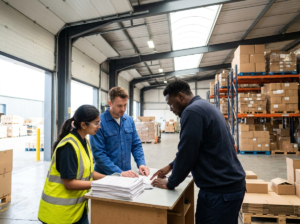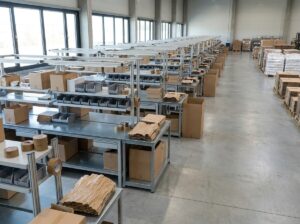
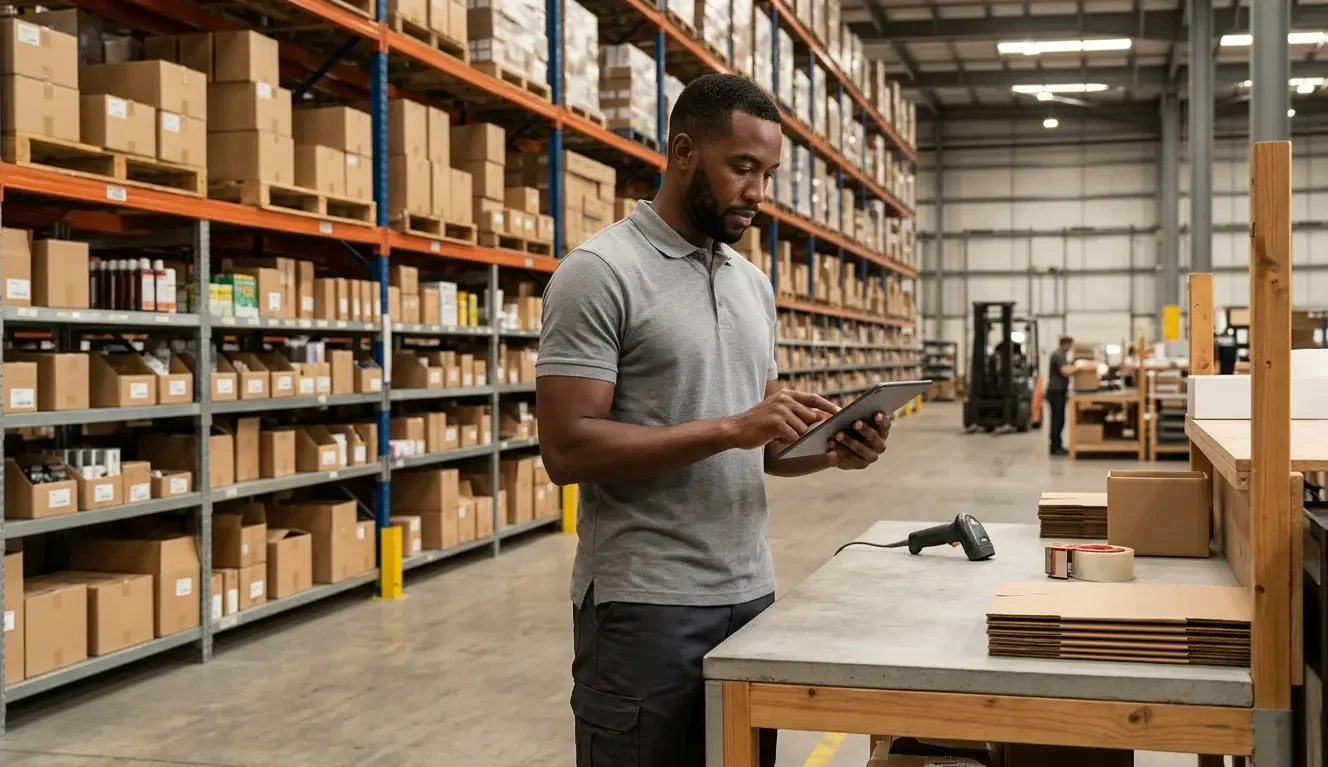
If you’ve ever handed your logistics over to a China 3PL and wondered what’s actually happening to your inventory between the factory floor and your customer’s door, you’re not alone. The China warehouse workflow isn’t complicated once you see it laid out clearly but most guides either skim the surface or make it sound more technical than it needs to be. This one won’t do either. We’ll walk through every stage of the China warehouse workflow, explain what happens at each step, and flag where things tend to go wrong so you know what to watch for.
This is the workflow behind our ecommerce fulfillment from China.
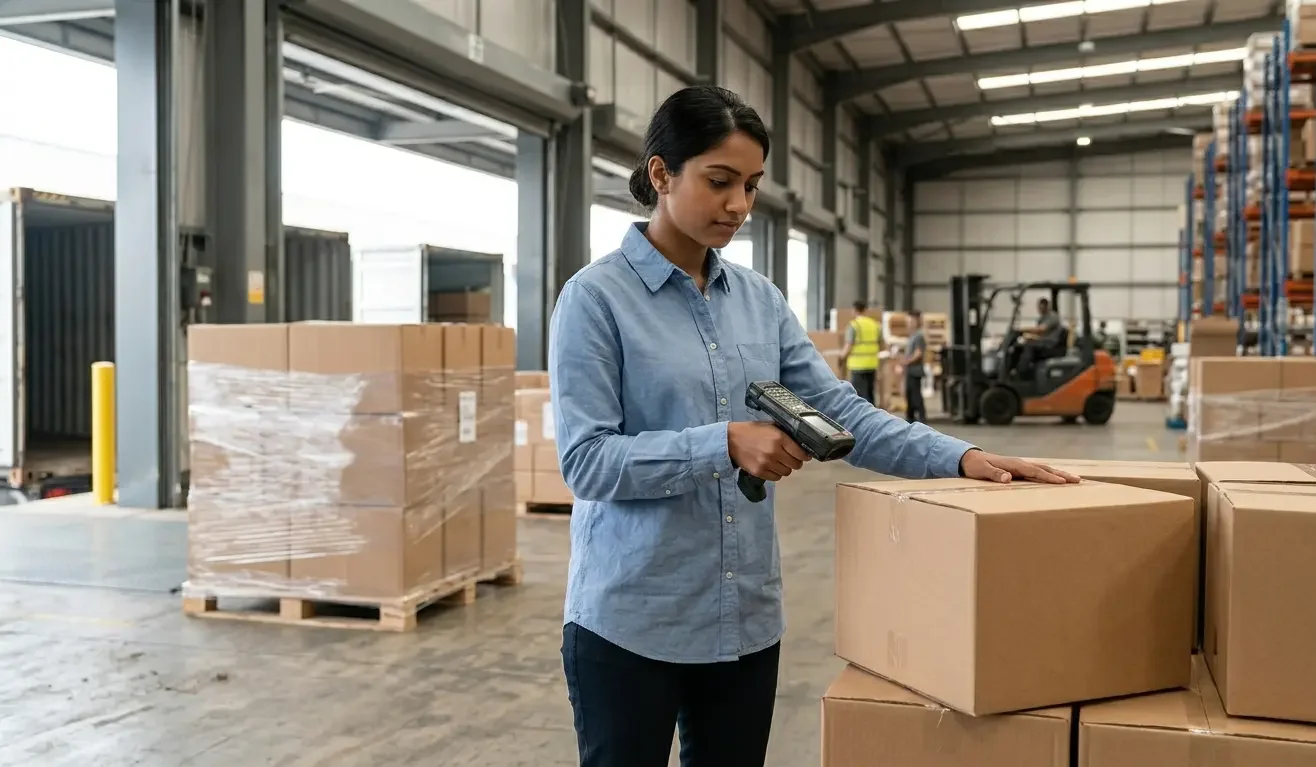
The Difference Between a Warehouse and a Fulfillment Center
Before getting into the workflow itself, it’s worth clearing up a distinction that causes a lot of confusion. A warehouse stores goods. A fulfillment center stores goods AND processes orders picking, packing, dispatching, tracking, managing returns, the whole thing. When eCommerce sellers talk about the China warehouse workflow, they’re almost always referring to a fulfillment center operation, not passive storage. The two words get used interchangeably, but they describe different levels of service. Knowing which one you’re looking at before you sign up matters more than most sellers realise.
Why Location Inside China Matters
Most China 3PL fulfillment centers are clustered near the country’s main manufacturing zones Shenzhen, Guangzhou, Yiwu, and Hangzhou are the most common. Being close to factories isn’t just a convenience. It means your products can move from production line to warehouse in days rather than weeks, restocks happen faster, and any quality issues get caught while there’s still time to fix them before stock ships internationally. For brands doing high volume or running tight inventory cycles, that proximity is genuinely meaningful.
What a WMS Actually Does for You
Most modern China 3PLs run on a Warehouse Management System a WMS. You’ll hear this term constantly. What it actually means for you as a brand is that every unit in the warehouse is tracked, every movement is logged, and you can see current stock levels, pending orders, and dispatch status without emailing anyone. When a China 3PL says they offer “real time inventory visibility,” that’s the WMS doing the work. It’s the technology that connects your Shopify or WooCommerce store to the warehouse floor, and it’s what makes auto syncing orders possible without manual uploads or spreadsheets.
Stage One: Inbound Receiving
The China warehouse workflow starts before a single order is placed. It starts when your inventory arrives at the warehouse from your supplier. This stage is called inbound receiving, and it’s one of the most important parts of the whole process even though it’s the stage most sellers pay the least attention to.
What Happens When Stock Arrives
When your goods reach the warehouse, the team checks the shipment against an Advanced Shipping Notice an ASN you or your supplier submits before the stock arrives. This document tells the warehouse what’s coming, in what quantities, and with what product codes. Without an ASN, receiving is slower and the risk of errors goes up considerably. Once the shipment is physically in the building, the team counts every unit, checks for damage, and logs everything into the WMS. Your available inventory updates in real time from that moment.
Quality Control at Inbound
Good China fulfillment centers don’t just count what arrives they inspect it. That means checking packaging integrity, flagging defective units before they get shelved, and photographing any discrepancies. If 200 units arrive but 12 are damaged, you find out now, before those 12 get picked and shipped to customers who then raise disputes. Some warehouses charge extra for this. Others include it as standard. It’s worth knowing which you’re dealing with before the first shipment lands.
Barcoding and Slotting
After inspection, every SKU gets labelled with a barcode and assigned a warehouse location a process called slotting. The barcode is what ties the physical product to the WMS record. When a picker scans it later, the system confirms the right item has been pulled. This is what keeps the pick accuracy rate high. Warehouses that skip proper barcoding at inbound are the ones that end up shipping the wrong products weeks later and can’t explain why.
Stage Two: Storage and Inventory Management
Once stock is received, inspected, and slotted, it goes into storage. For most eCommerce brands using a China 3PL, this is the quiet stage inventory sits until orders come in. But what happens behind the scenes during storage determines how well the rest of the workflow runs.
How Inventory Is Tracked Day to Day
The WMS tracks stock levels continuously. Every pick reduces the count. Every inbound receipt increases it. If you’re connected to the system via a Shopify or Amazon integration, your storefront inventory syncs with the warehouse count automatically, which prevents overselling. This matters more than it sounds overselling a SKU you don’t actually have in stock is one of the fastest ways to generate negative reviews and dispute cases at the same time.
Free Storage Periods and What They Mean
Many China 3PLs offer a free storage period Fulfillmen offers 90 days which means you’re not paying storage fees while your inventory sits waiting for orders. After that period, daily or monthly storage rates apply. Understanding how your 3PL charges for storage matters when you’re planning inventory cycles, because holding slow moving stock for months without realising the cost can quietly eat into your margins.
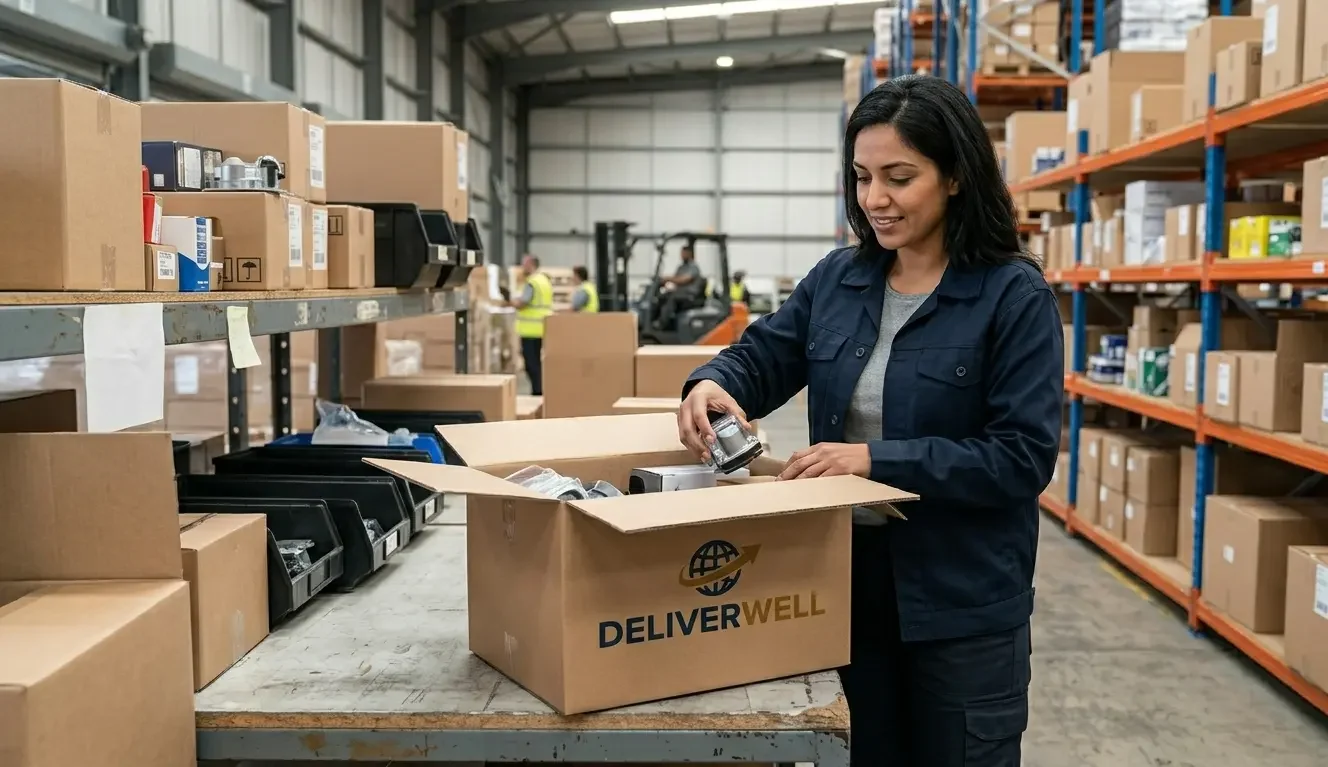
Stage Three: Order Syncing and Processing
This is where the China warehouse workflow picks up speed. When a customer places an order on your store, that order needs to reach the warehouse and enter the fulfillment queue quickly. How that happens depends on whether your store is integrated with the warehouse’s WMS.
How Platform Integrations Work in Practice
With a proper integration Shopify, WooCommerce, Amazon Seller Central, eBay, and others all support this the order appears in the warehouse system within minutes of being placed. No manual intervention, no CSV export, no morning batches. The WMS generates a pick list automatically, assigns it to a picker, and the clock starts on your dispatch time. Without integration, someone has to manually enter or upload orders, which introduces delays and mistakes. If a 3PL can’t offer a direct integration with your store platform, that’s a problem worth taking seriously before you commit.
Same-Day Dispatch and Cutoff Times
Most China fulfillment centers have a daily dispatch cutoff often around 3pm or 4pm local time. Orders received before the cutoff ship the same day. Orders that come in after go out the following morning. This is how your advertised delivery windows get calculated. If your 3PL’s cutoff is earlier than you assume, or if their pick-and-pack process is slow enough that they regularly miss it, your customers are getting packages a day later than your store promises. That gap is where negative reviews come from.
Stage Four: Pick and Pack
Pick and pack is the physical heart of the China warehouse workflow. It’s the stage most visible to your customers because it’s the stage that determines what condition their order arrives in.
How Picking Works
When a picker receives a pick list from the WMS, they move through the warehouse collecting each item in the order. High volume warehouses use batch picking one picker collects items for multiple orders in a single run through the aisles which cuts walking time significantly. Lower volume operations often pick one order at a time. Both can work well. What matters more than the method is the scan verify step: the picker scans each barcode when they take it from the shelf, and the WMS confirms it’s the right SKU before the item goes into the tote. Skipping that step is where mis picks happen.
What Good Packing Looks Like
After picking, orders move to a packing station. The right packaging is selected for the order poly mailer, box, bubble mailer based on the product’s weight and fragility. Protective materials go in, the order gets sealed, and a shipping label is applied. If you’ve set up custom branded packaging, the packer follows those specifications. This is also where any promotional inserts, thank you cards, or QC photos get added if you’ve requested them. A second check happens at pack the packer confirms the right items are in the box before it’s sealed. That double-check is what catches the errors that slip through the picking stage.
Stage Five: Shipping and Carrier Selection
Once an order is packed and labelled, it moves to the outbound dock and goes into the carrier’s collection run. Which carrier it goes with depends on the destination, the delivery speed the customer selected, and the rates your 3PL has negotiated.
How Multi-Carrier Shipping Works
Good China 3PLs work with multiple carriers DHL, FedEx, UPS, USPS for international, plus regional carriers for specific destinations. The WMS selects the best option based on rules you’ve set fastest route, cheapest rate, or a combination. For a 500g package going to the US, the carrier choice can mean a difference of several dollars per shipment. At 1,000 orders a month, that adds up fast. Fulfillmen routes orders across DHL, FedEx, UPS, USPS, and more to keep rates competitive without sacrificing delivery speed.
Tracking and Customer Notifications
Every shipment gets a tracking number generated at the point of dispatch. That number is pushed back to your store automatically via the WMS integration, triggering any shipping confirmation emails you’ve set up for your customers. From that point, both you and your customer can follow the parcel from the warehouse to the door. This tracking chain is what separates reliable fulfillment partners from the ones who make you chase status updates manually.
Stage Six: Returns Management
Returns are part of the China warehouse workflow whether you plan for them or not. How your 3PL handles them tells you a lot about how seriously they take the operational detail.
What Happens When a Return Arrives
When a returned item comes back to the China warehouse, it goes through an inspection is it sellable, damaged, or defective? Based on rules you’ve set in advance, the 3PL either restocks it, sets it aside for your review, or flags it for disposal. Every return is logged in the WMS so your inventory count stays accurate and you know exactly what came back and why. A 3PL that doesn’t have a clear returns process will quietly mess up your inventory counts over time, which means picking errors downstream.
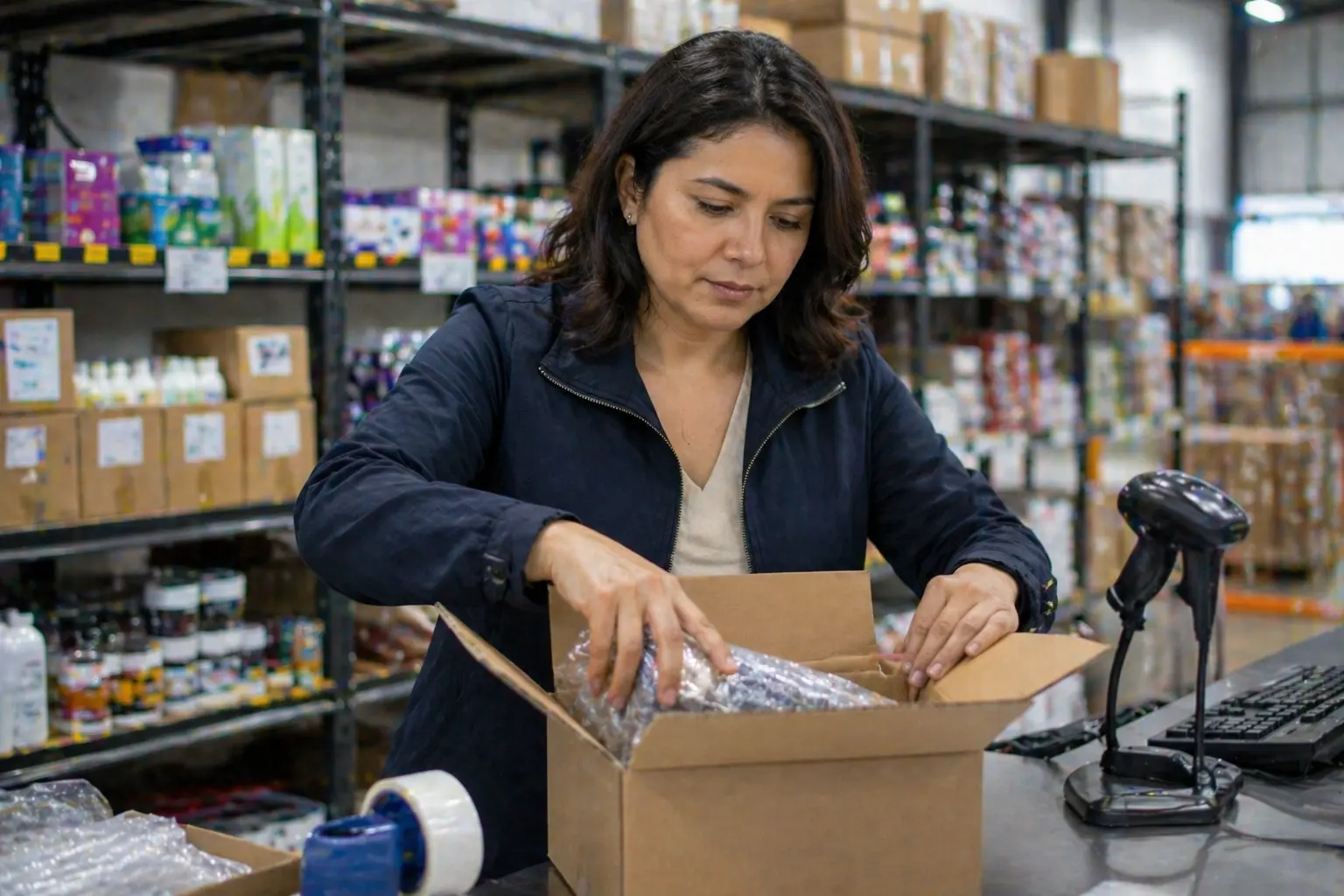
What to Ask a China 3PL Before You Sign Up
Now that you understand how the China warehouse workflow runs, here are the questions worth asking any 3PL you’re evaluating:
- Do you include quality control at inbound as standard, or is it an add-on?
- What’s your daily dispatch cutoff, and what’s your average order processing time?
- Which store platforms do you integrate with natively?
- How do you handle returns — what does the inspection and restocking process look like?
- What are your storage fees after the free period ends?
- Do you offer branded packaging, and is there a minimum order quantity for that?
The answers reveal a lot about how the operation actually runs, not just how it’s marketed.
HOW FULFILLMEN HANDLES THE CHINA WAREHOUSE WORKFLOW
Fulfillmen runs the full China warehouse workflow under one roof from inbound receiving and quality control through to multi carrier dispatch and returns processing. There’s no minimum order quantity, no forced storage commitments, and 90 days of free storage included from day one. Every step of the workflow is tracked through our WMS and visible to you in real time, from the moment your stock arrives at our facility to the moment your customer’s parcel leaves for their door.
Direct Integrations With Your Store
Our WMS connects directly with Shopify, WooCommerce, Amazon, eBay, and other major platforms. Orders sync automatically the moment they’re placed, enter the pick queue without any manual steps, and ship the same day if received before our daily cutoff. Tracking numbers push back to your store automatically, so your customers get updates without you chasing them.
Quality Control Built Into Every Stage
We run quality checks at inbound counting units, photographing discrepancies, flagging damaged stock before it gets shelved. We run a second check at the packing station before every order is sealed. These aren’t optional add-ons. They’re part of the standard workflow because they’re what keeps your return rate and dispute rate manageable.
Transparent, Predictable Pricing
You pay for pick, pack, and ship per unit dispatched. Storage fees are clear, storage minimums don’t exist, and there are no hidden account fees or minimum monthly billing thresholds. The quote you get is the invoice you receive. If you’d like to talk through how Fulfillmen’s China warehouse workflow fits your brand’s operation, get a free quote here.
FREQUENTLY ASKED QUESTIONS
What is the China warehouse workflow?
The China warehouse workflow is the end-to-end process a China-based 3PL fulfillment center follows to receive your inventory from suppliers, store it, pick and pack individual customer orders, ship them internationally, and manage any returns. It typically involves six stages: inbound receiving, storage and inventory management, order syncing, pick and pack, multi-carrier shipping, and returns handling.
How long does the China warehouse workflow take from order to dispatch?
Most China 3PL fulfillment centers process and dispatch orders within 24 hours of receiving them, often the same day if the order arrives before the daily cutoff time. Delivery to the US typically takes 5–10 days after dispatch, and 5–8 days to the UK, depending on the carrier and service level selected.
What is a WMS and why does it matter in a China warehouse?
A WMS — Warehouse Management System — is the software that tracks every unit of inventory in the warehouse, manages inbound receipts, generates pick lists for orders, and syncs stock levels with your store platforms. It’s what makes auto-syncing, real-time inventory visibility, and automatic tracking updates possible. Without a WMS, a China 3PL is managing your inventory manually, which means slower processing and more errors.
Do China warehouses do quality control?
Good ones do. Quality control in a China warehouse happens at two points: at inbound, when your supplier’s shipment arrives and is checked for quantity and damage, and at the packing station, before each order is sealed and dispatched. Not all 3PLs include this as standard some charge extra for it so it’s worth asking before you sign up.
What's the pick and pack process in a China 3PL?
Pick and pack is the stage where a warehouse team member locates and collects each item in a customer’s order (picking) and then packages it securely with the right materials before applying a shipping label (packing). In high-volume operations, picking is done in batches one person collects items for multiple orders in a single warehouse run. A barcode scan at each pick step confirms the right SKU is being pulled, which keeps error rates low.
How do returns work in a China warehouse workflow?
When a customer returns an order, the item comes back to the China warehouse, where it goes through a condition inspection. Based on rules you’ve set in advance, the item is either restocked, quarantined for your review, or flagged for disposal. The WMS logs every return and updates your inventory count accordingly, so your stock levels stay accurate and your picking process isn’t affected by unreported returns sitting in a corner of the warehouse.
Can I use a China warehouse if I'm only selling a small volume of orders?
Yes. Many China 3PLs, including Fulfillmen, have no minimum order quantity. You can ship as few or as many orders as your store generates each month without penalty. The per-unit pricing model means you only pay for what you actually dispatch, which makes China warehouse fulfillment accessible for growing brands at any volume level.