

A 3PL with no minimums is a fulfillment provider that charges only for the storage, handling and shipping you actually use. There is no monthly spend floor, no guaranteed order volume and usually no long contract. For a brand doing a few hundred orders a month, or one with lumpy seasonal demand, that difference can decide whether outsourcing fulfillment is affordable at all.
Minimum volume requirements are the most common reason smaller brands stall at the quote stage. This guide explains how no-minimum fulfillment is priced, what a monthly floor really costs you per order, what you give up, and how to tell when it is the right model for your stage.

What “minimums” usually mean at a 3PL
Minimums come in several forms, and a provider can advertise “no minimum orders” while still applying one of the others:
- Monthly spend minimum: you are billed a floor amount even if your actual fees are lower.
- Order volume minimum: the provider will only onboard brands above a set number of orders per month.
- Storage minimum: a set number of pallet positions or cubic feet billed whether used or not.
- Contract term: a 6 to 36 month agreement with an early termination fee.
- SKU or inventory minimum: a required number of SKUs or units before onboarding.
These are not trivial. According to Fulfill.com’s 2026 pricing data, verified US rate cards show monthly minimums from $0 to $750, with a survey average of $517, up from $337.50 in 2024.
Tired of paying for volume you do not have? Fulfillmen has no minimum order quantity, no monthly floor and 90 days of free storage.
What a monthly minimum really costs per order
A minimum looks small on a rate card. It looks very different once you divide it by your real order count. Here is the $517 survey average spread across three common volumes, before a single item is picked or shipped:
| Orders per month | Minimum added per order | What it means |
|---|---|---|
| 100 | $5.17 | Often more than the pick and pack fee itself |
| 300 | $1.72 | A large share of your fulfillment margin |
| 600 | $0.86 | Noticeable, and paid again in every slow month |
The slow months are where it hurts. A brand averaging 600 orders that drops to 150 in January still pays the full floor, so its effective cost per order roughly quadruples for that month. With no minimum, a quiet month simply costs less.
How no-minimum 3PLs price their service
A no-minimum provider recovers its costs through usage instead of commitments. As Racklify’s comparison of the two models explains, you pay for units stored, orders picked and services performed. Per-unit rates can be slightly higher because the provider carries the risk of unused capacity, while traditional 3PLs reward guaranteed volume with lower rates.
| No-minimum 3PL | Traditional 3PL | |
|---|---|---|
| Monthly floor | None | Common |
| Contract | Month to month | 6 to 36 months |
| Per-unit rates | Usage based | Lower at committed volume |
| Onboarding | Accepts small inbound shipments | More formal setup |
| Best for | Launches, testing, seasonal demand | Stable, predictable volume |
A simple volume guide to choosing a model
Use your average monthly orders and how much they swing between months. This is a rule of thumb rather than a hard line, but it reflects how the economics usually play out.
- Under 300 orders a month: a monthly minimum can easily exceed your actual fees. No-minimum fulfillment almost always wins.
- 300 to 1,500 orders a month: compare total cost per order both ways. If your volume swings by more than 40% between your slowest and busiest months, the flexibility of no minimums is usually worth more than a small rate discount.
- Above 1,500 stable orders a month: you have negotiating power. Ask a no-minimum provider for volume pricing before signing a long contract elsewhere.
The hidden variable is how much stock you hold. Brands that keep several months of inventory to protect against long production lead times can find storage minimums cost more than handling. Check the storage terms as carefully as the order terms.
Not sure which side of the line you are on? Send us your monthly orders and stock level and we will show you the numbers both ways.
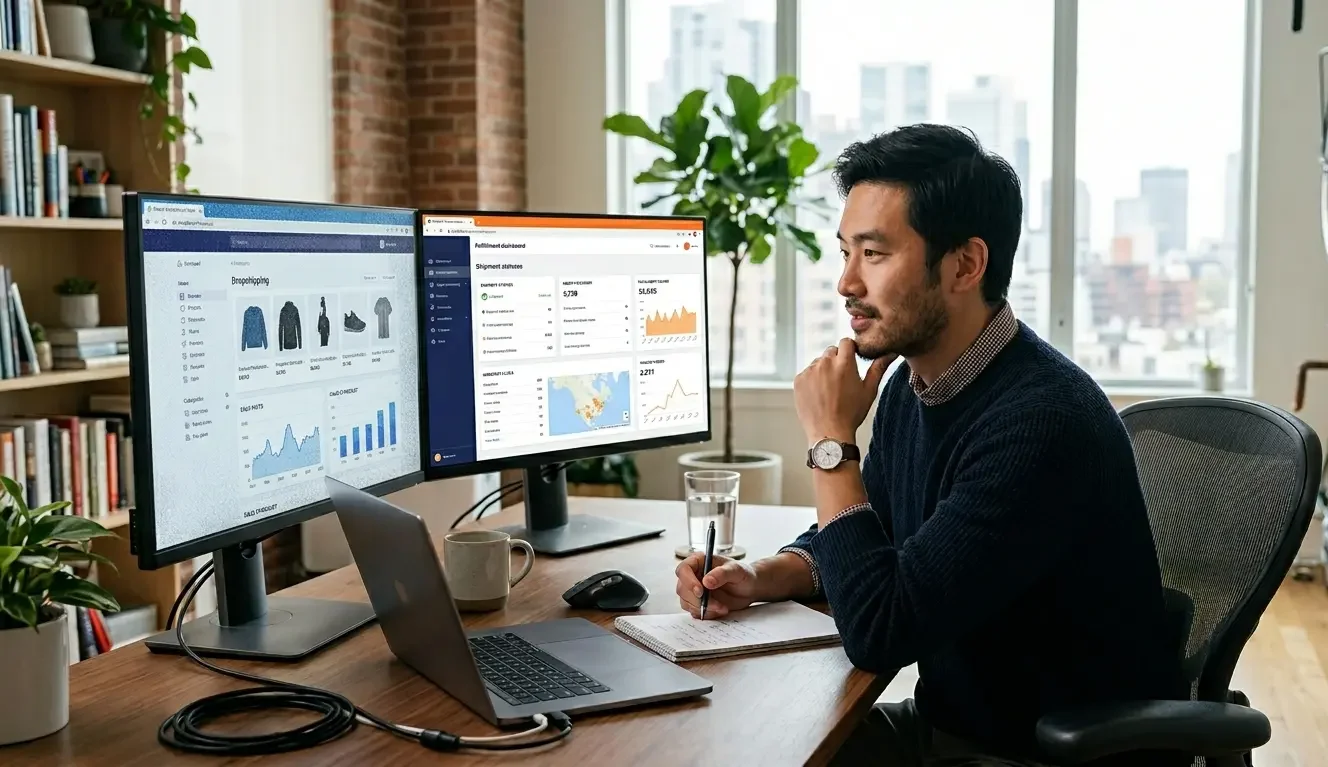
How to compare a no-minimum quote with a contract quote
Quotes from the two models are built differently, so put them on the same footing before you decide. Five steps are enough.
- Use the same brief for both: monthly orders, units per order, product sizes, stock on hand and destination split.
- Price three months, not one: your average month, your busiest month and your slowest month.
- Apply every fixed fee: monthly minimums, account fees and storage minimums go into each month, even the quiet one.
- Add the exit cost: a 12 month contract with a termination fee is a cost you carry whether or not you use it.
- Divide each monthly total by orders: the result is your real cost per order under each model.
Most brands under 1,000 orders a month find the no-minimum model cheaper across a full year, even when its per-unit rates look slightly higher on the rate card. The contract model starts to win only when volume is high and steady enough that the minimum is always covered by real fees.
Do not forget the cost of being locked in. If a contract provider underperforms, the termination fee decides how quickly you can leave. With a month-to-month, no-minimum partner, poor service is something you can act on in weeks rather than waiting out a contract year.
Trade-offs to check before you sign
No minimums is not automatically the better deal. Ask about each of these:
- Service levels: does the provider commit to dispatch times and order accuracy, or are smaller accounts handled when convenient?
- Peak capacity: will your orders still go out on time in Q4 when larger accounts are also peaking?
- Carrier rates: do you get access to the provider’s negotiated rates, or a retail-style rate card?
- Integration: is order syncing with your store included, or charged as a setup fee?
Why no minimums matters more when fulfilling from China
Brands that manufacture in China often place large production runs but sell slowly at first. Fulfilling from a warehouse near the factory lets you hold bulk stock cheaply and ship each order directly, without paying to move all of it to another country first. If you are weighing that against shipping straight from suppliers, our dropshipping vs 3PL comparison covers where each model breaks even.
Free storage changes the maths again. When the first 90 days of storage cost nothing, a slow-selling first production run does not quietly eat your margin while you find product-market fit, and you are not pushed into discounting stock just to clear space.
How Fulfillmen handles minimums
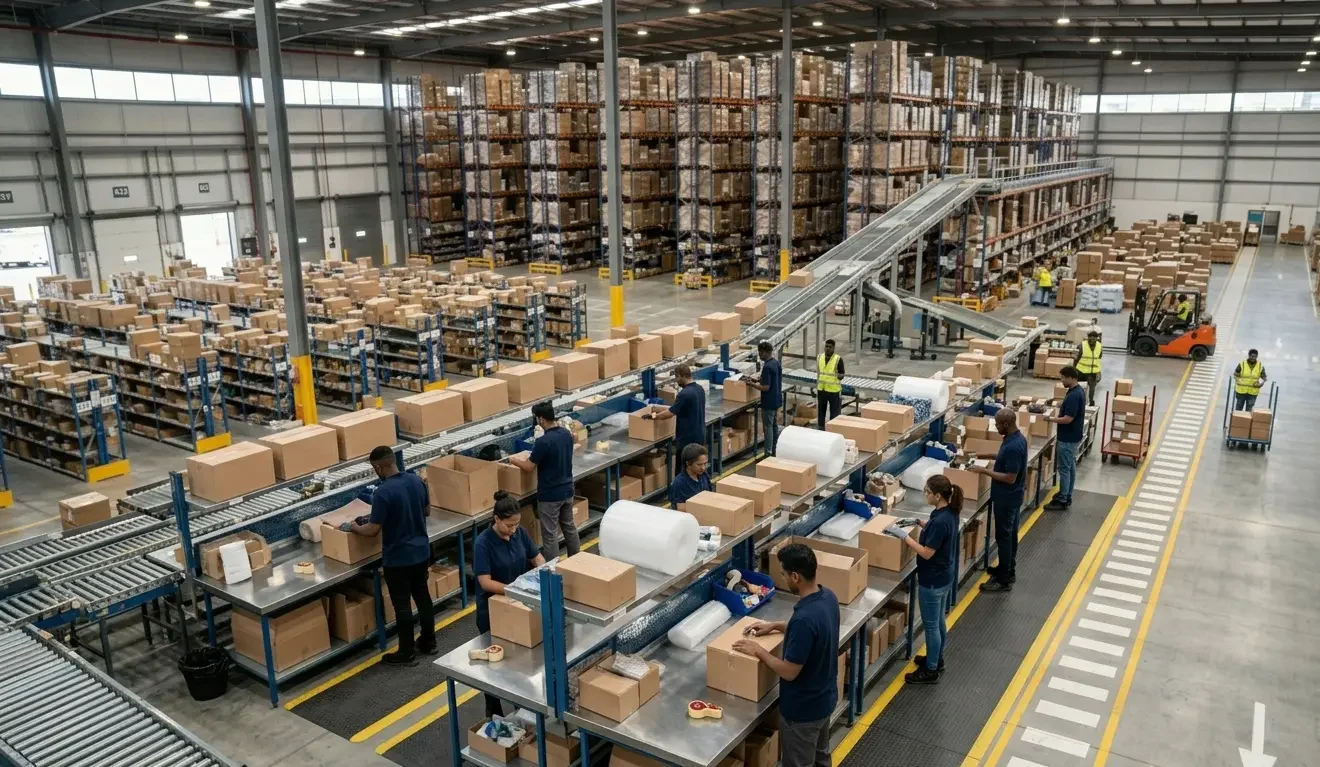
Fulfillmen has no minimum order quantity, no compulsory SKU count and no monthly commitment. You pay for units dispatched, new stock gets 90 days of free storage, and Shopify, WooCommerce and Amazon connect through a free API with no developer cost. That means a brand can start with one product and a few dozen orders and scale without renegotiating. See the full scope of our fulfillment services with no minimum.
Frequently asked questions
Are no-minimum 3PLs more expensive?
Per-unit rates can be slightly higher, but total cost is often lower for small or variable volumes because you never pay for capacity you did not use. Compare cost per order at your real volume, including your slowest month.
Can I switch to a contract 3PL later?
Yes. Many brands start without minimums to validate demand, then negotiate volume pricing once orders stabilise. Month-to-month terms make that move easier because there is no exit fee to work around.
Does no minimum orders also mean no storage minimum?
Not always. Ask separately about storage, contract length, onboarding fees and account fees, because a provider can waive one minimum while keeping another.
What is the smallest brand a 3PL will take on?
It depends on the provider. No-minimum 3PLs typically accept brands at launch stage, sometimes with only one or two SKUs, as long as products can be stored and shipped safely.
How much does a monthly minimum add per order?
Divide the minimum by your monthly orders. The 2026 survey average of $517 adds about $5.17 per order at 100 orders, $1.72 at 300 and $0.86 at 600, before any handling or shipping.
Not sure which model fits your volume? Share your monthly orders and stock level and get a line-by-line fulfillment quote with no minimums attached.