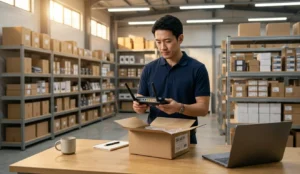
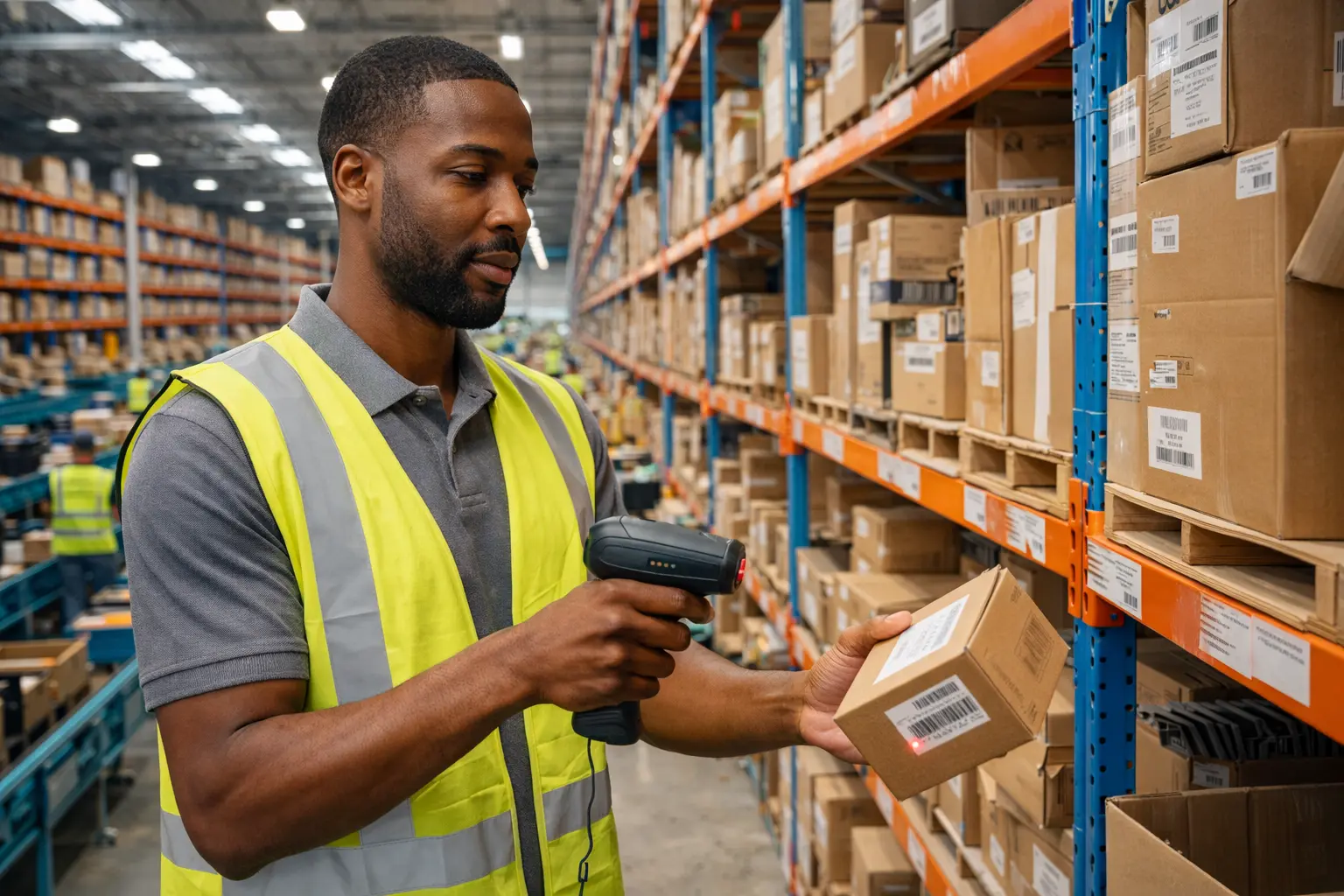
The right time to outsource fulfillment is when packing and shipping orders yourself costs more, in money or in founder hours, than paying a third-party logistics (3PL) partner to do it. For most ecommerce brands that point arrives earlier than they think, because the true cost of in-house fulfillment hides in places a spreadsheet rarely captures.
Below are the eight signs we see most often when brands contact us, followed by a quick way to calculate what fulfillment really costs you today and a side-by-side view of in-house and outsourced fulfillment.
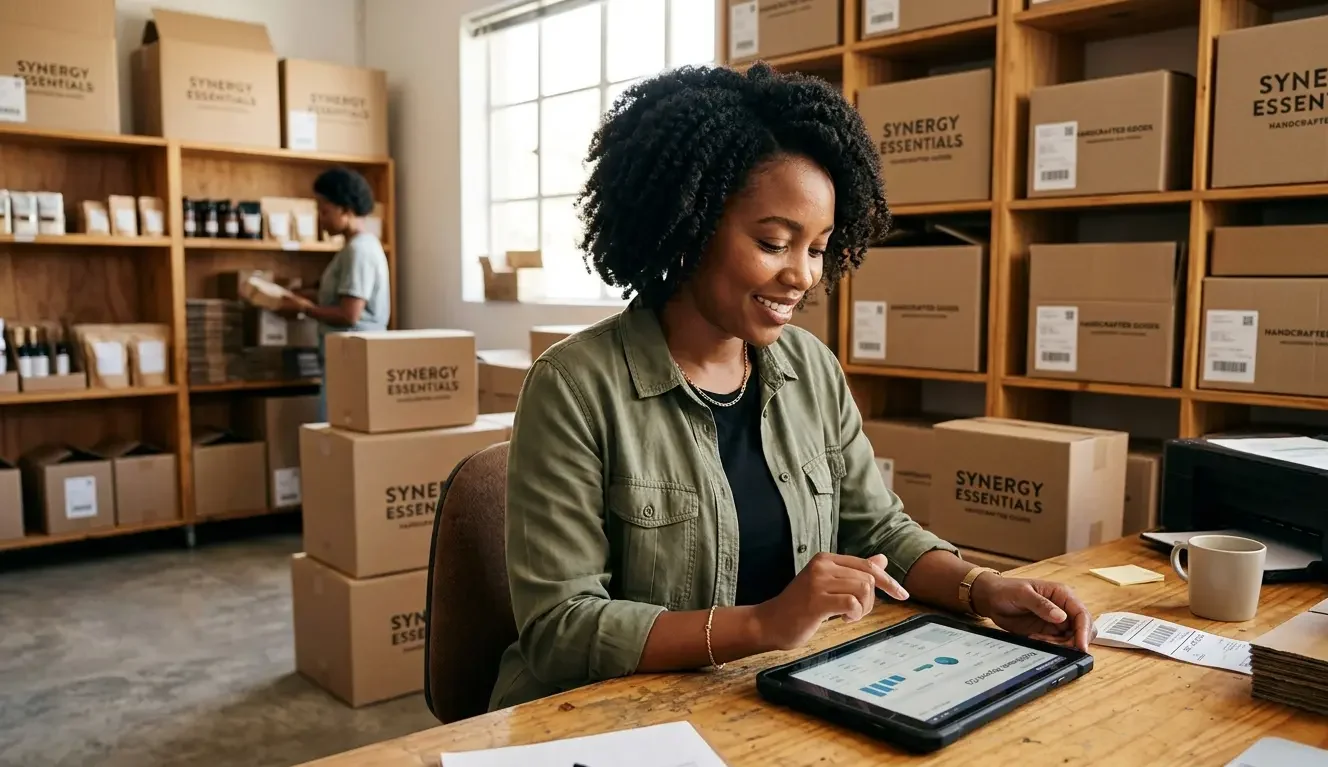
8 signs you should outsource fulfillment
1. Packing orders is taking over your week
If you or your team spend more than 10 hours a week picking, packing and labelling, those hours are not going into product, marketing or sales. Founders often value their own time at zero, which is exactly why in-house fulfillment looks cheap on paper.
2. Your home or office has become a warehouse
Boxes in the hallway, stock in the garage, a rented storage unit you visit twice a week. Once inventory outgrows the space you work in, you are paying for storage either way. You are just paying in rent and travel instead of a fulfillment invoice.
3. Orders go out late when volume spikes
A promotion or an influencer post triples orders overnight and dispatch slips by days. Delivery speed is one of the main reasons shoppers choose a store and come back to it, so late dispatch during your best sales moments is the most expensive kind.
4. Mistakes are creeping in
Wrong sizes, missing items and swapped labels lead to refunds, reshipments and bad reviews. Professional warehouses use barcode scanning to verify each pick, which is very hard to replicate on a kitchen table.
Recognise two or more of these? Tell us your monthly orders and we will show you what outsourcing would cost against packing in-house.
5. Shipping costs keep rising faster than sales
Carrier prices have climbed sharply. eightx’s 2026 fulfillment cost analysis notes US Bureau of Labor Statistics data showing courier prices up 12.3% year on year in April 2026. Small shippers pay retail-style rates, while 3PLs ship enough volume to negotiate better ones.
6. You want to sell in new countries
Expanding to the UK, EU or Australia from a single home base means customs paperwork, duty decisions and slow, costly postal options. A fulfillment partner with established international carrier lines removes most of that work.
7. You are adding sales channels
Running Shopify, Amazon and a marketplace at the same time means keeping inventory accurate across all of them. Manual updates lead to overselling. A 3PL’s warehouse system syncs stock across channels automatically.
8. Your products are made overseas and double-handled
If stock is shipped from a factory in China to you, then shipped again to customers, you are paying for two journeys and two rounds of handling. Fulfilling directly from a warehouse near the factory can cut out the middle leg entirely.
Calculate your true in-house cost per order
Before you compare 3PL quotes, work out what fulfillment costs you now. Add up a typical month:
| Cost line | How to calculate |
|---|---|
| Labour | Hours spent on fulfillment x an honest hourly value (including your own) |
| Space | Rent or storage unit cost attributable to inventory |
| Packaging | Boxes, mailers, tape, filler and labels |
| Shipping | Total carrier spend |
| Errors | Refunds, reshipments and replacement stock from mistakes |
| Software | Shipping apps and label printing tools |
Divide the total by your monthly orders. Illustrative example: a brand shipping 400 orders spends 40 hours a month packing at a $25 hourly value ($1,000), $300 on a storage unit, $280 on packaging, $3,200 on postage and $150 on errors. That is $4,930, or about $12.30 per order, before counting the sales work those 40 hours could have produced. A 3PL quote below that number is saving you money from day one.
Worked out your number? Send us those six lines and we will put a line-by-line fulfillment quote right next to your in-house cost per order.
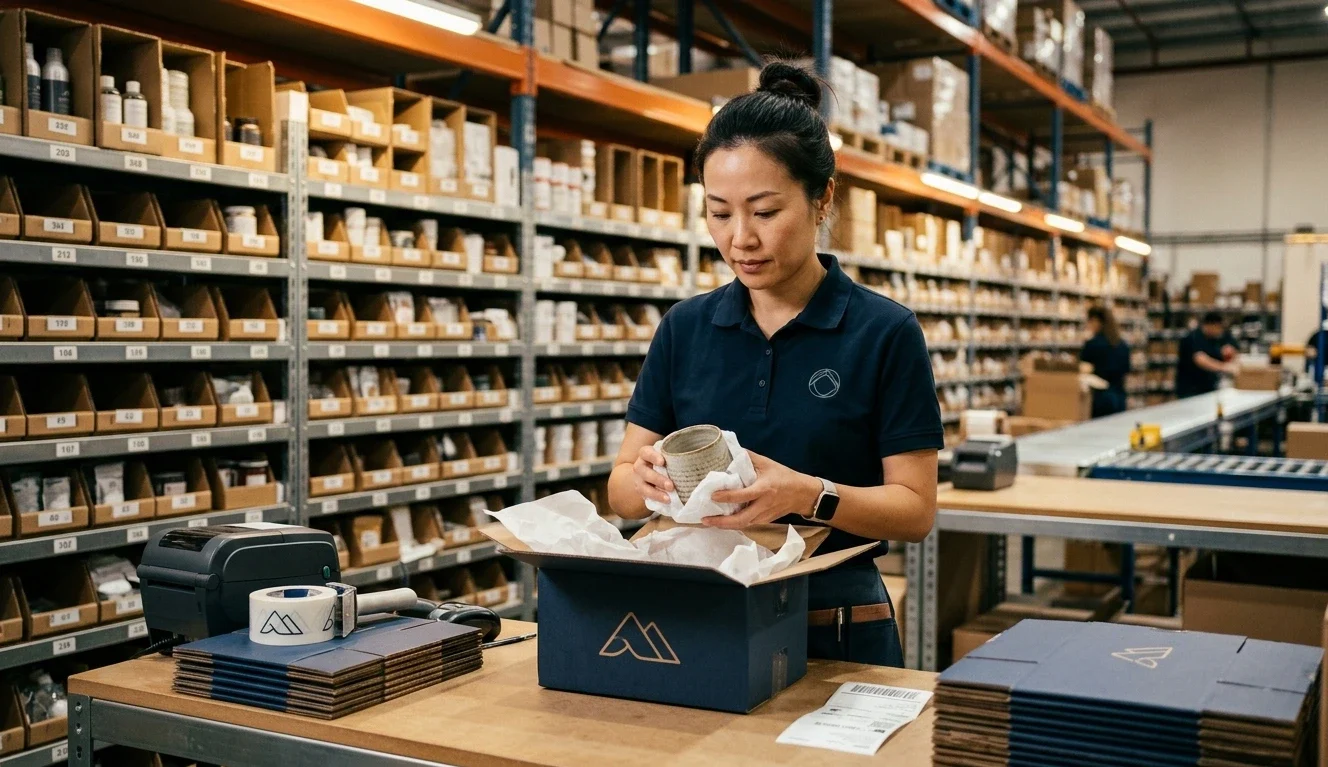
In-house vs outsourced fulfillment at a glance
| In-house | Outsourced to a 3PL | |
|---|---|---|
| Upfront cost | Space, shelving, packing supplies | Usually none beyond inbound freight |
| Cost per order | Rises with your time and errors | Fixed rates you can quote and compare |
| Peak capacity | Limited by your own hours | Warehouse staff scale with volume |
| Shipping rates | Retail or small-business rates | Negotiated volume rates |
| International orders | Paperwork and duties handled by you | Established carrier lines and DDP options |
| Control | Total, but time-consuming | Set by your packing and QC standards |
What the first 90 days after outsourcing look like
Outsourcing is a project, not a switch you flip. Knowing the usual sequence makes it easier to plan around launches and promotions.
- Week 1: sign up, connect your store and map your SKUs so orders flow to the warehouse automatically.
- Weeks 1 to 3: move inventory. If stock is with you, send it in labelled cartons. If it is still at the factory, the next production run can go straight to the warehouse.
- Weeks 2 to 4: first live orders. Watch accuracy, dispatch times and tracking updates closely and fix packing details early.
- Month 2: settle into a routine. Agree reorder points, packing standards and how returns are handled.
- Month 3: review the numbers. Compare cost per order, delivery times and error rates with your in-house baseline.
The biggest change is usually time. Founders who were packing 10 or more hours a week get those hours back almost immediately, and that time is often worth more than the fulfillment savings themselves. Plan what you will do with it, whether that is product development, marketing or wholesale accounts, so the switch pays off twice.
When it is too early to outsource
Outsourcing is not always right. Keep fulfillment in-house if you ship only a handful of orders a week, if your product needs hand-finishing or personalisation after each order, or if you are still changing your product and packaging every few weeks. In those cases, the flexibility of doing it yourself can outweigh the savings.
Choosing your first fulfillment partner
Once you decide to outsource, the partner you pick matters more than the decision itself. Look for clear pricing, no long lock-in for a first contract, integration with your store and proven international shipping if you sell abroad. Our guide on how to choose a logistics company lists the questions worth asking on a first call, and Fulfill.com’s 2026 pricing data is a useful benchmark for the fees you will be quoted.
For brands manufacturing in Asia, Fulfillmen stores stock in China, Hong Kong and India and ships orders worldwide, with no minimum order quantity, no monthly commitment and 90 days of free storage. Orders sync from Shopify, WooCommerce and Amazon through a free API, and each item is checked against your product specification before dispatch. See how it works on our fulfillment services page.
Frequently asked questions
How many orders a month before you should use a 3PL?
There is no fixed number. Many brands outsource between 100 and 300 orders a month, but the real trigger is when your in-house cost per order, including your own time, exceeds a 3PL quote.
Will I lose control of my brand experience?
Not if you choose a partner that supports branded packaging, inserts and quality checks. You set the packing standards and the warehouse follows them on every order.
How long does it take to move fulfillment to a 3PL?
Setting up an account and integration can take days. The longer part is moving inventory, which depends on where your stock is today and how far it has to travel.
Can a small brand outsource fulfillment affordably?
Yes, if you choose a provider without monthly minimums. Then you pay only for what you store and ship, which keeps costs in line with sales.
What should I prepare before contacting a 3PL?
Your monthly order volume, average units per order, product sizes and weights, stock on hand and your main destinations. With those numbers a provider can give you a quote you can compare with your in-house cost.
Think you have reached the tipping point? Send us your order volume and we will compare your in-house cost with a free fulfillment quote.