FOB shipping, Free on Board is the Incoterm you will encounter on almost every supplier quote when sourcing products from China. It is also one of the most misunderstood terms in international trade, and misunderstanding it can leave you unexpectedly liable for freight costs, cargo damage, and import duties on a shipment you thought was the supplier’s responsibility.
FOB is one of 11 standardised shipping terms published by the International Chamber of Commerce under Incoterms 2020. These terms define with legal precision who is responsible for costs, risk, and logistics at each stage of an international shipment. FOB accounts for roughly 40% of all maritime trade globally, making it the most commonly used Incoterm in ocean freight.
This guide explains what FOB means, how FOB shipping point and FOB destination differ, how FOB compares to EXW, CIF, and DDP, what ‘FOB price’ means on a supplier invoice and why it matters for duty calculations in 2026, and how ecommerce brands sourcing from China should think about when FOB serves their interests and when it does not.

What Does FOB Mean in Shipping?
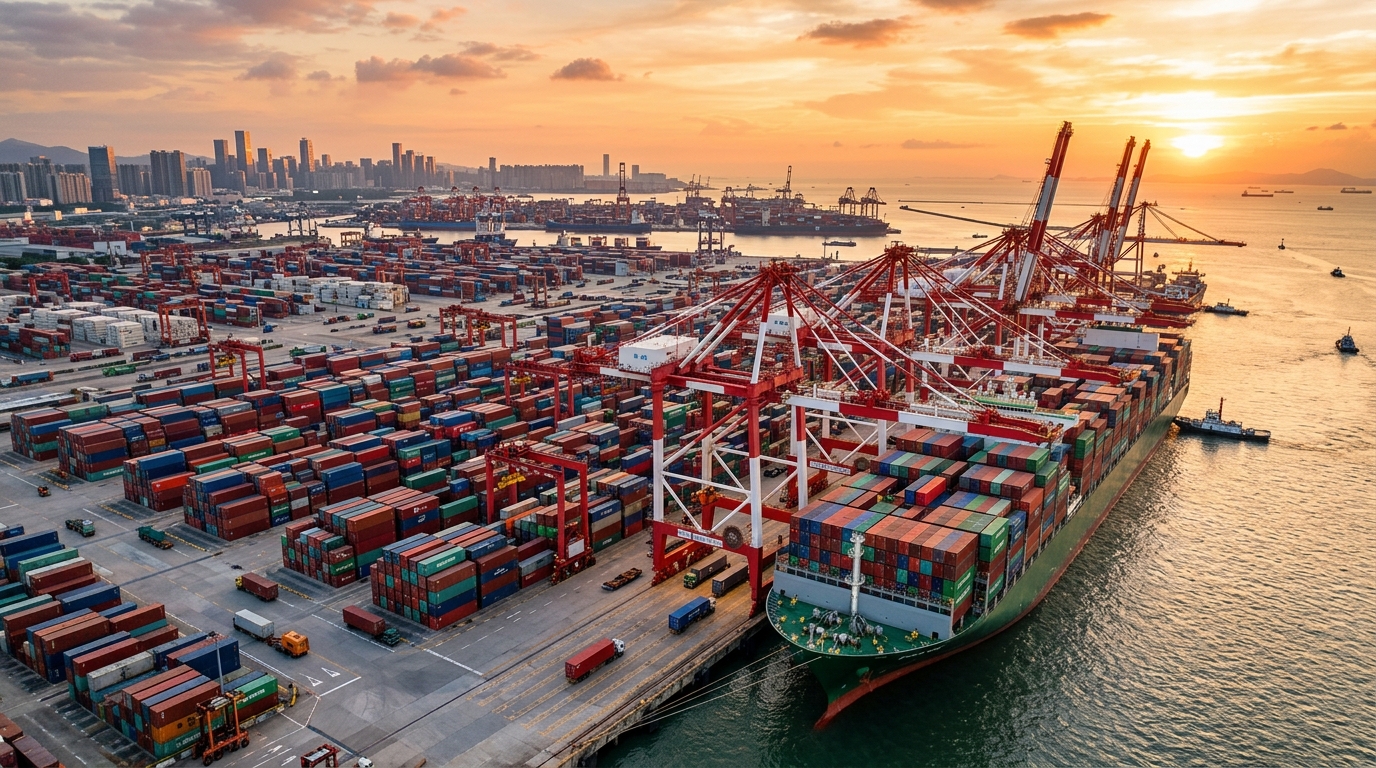
FOB stands for Free on Board. Under FOB terms, the seller is responsible for delivering goods to a named port of origin and loading them onto the vessel. Once the goods are on board the ship, risk and cost transfer to the buyer. The buyer is then responsible for ocean freight, cargo insurance, destination port charges, customs clearance, import duties, and inland delivery.
The ‘Free’ in Free on Board does not mean there is no charge, it means the seller delivers the goods ‘free’ at no cost to the buyer up to the named point. A quote of ‘FOB Shenzhen’ means the seller will get the goods to Shenzhen port, clear Chinese export customs, and load them onto the vessel. The buyer’s responsibility begins the moment they are on board.
FOB applies exclusively to sea freight and inland waterway transport under Incoterms 2020. For air freight and multimodal shipments, FCA (Free Carrier) is the technically correct equivalent, though many suppliers still use FOB as shorthand across all transport modes.
FOB Shipping Point vs FOB Destination
This is the distinction that causes the most confusion, particularly for buyers encountering FOB terms for the first time.
FOB Shipping Point (also called FOB Origin)
Under FOB Shipping Point terms, the buyer takes ownership and risk at the moment the goods are given to the carrier typically at the seller’s shipping dock or a named origin point. From that moment, the goods are legally the buyer’s property. If the shipment is lost or damaged in transit, the buyer bears the loss and must file any insurance claims.
FOB Destination
Under FOB Destination terms, the seller retains ownership and risk until the goods arrive at the buyer’s named destination. The seller bears the cost and risk of freight; if the shipment is damaged in transit, the seller must replace or compensate the buyer. FOB Destination is more favourable for buyers but is less common in international trade between ecommerce brands and Chinese suppliers.
The Four FOB Variants
In commercial practice, FOB terms are specified in two parts: where risk transfers, and who pays freight.
FOB Variant | Risk Transfers | Who Pays Freight | Common Context |
FOB Origin, Freight Collect | At origin port on loading | Buyer | Standard international China-to-buyer arrangement. Buyer controls the carrier and rate. |
FOB Origin, Freight Prepaid | At origin port on loading | Seller | Seller pays freight but risk transfers immediately on loading. |
FOB Destination, Freight Collect | At buyer’s location | Buyer | Unusual buyer pays freight but seller retains transit risk. |
FOB Destination, Freight Prepaid | At buyer’s location | Seller | Favourable for buyers. Seller carries both freight cost and transit risk until delivery. |
For ecommerce brands importing from China, ‘FOB Shenzhen’ or ‘FOB Shanghai’ almost always means FOB Origin, Freight Collect the supplier covers China-side costs up to and including vessel loading; the buyer arranges and pays for the ocean voyage, insurance, and everything downstream.
What Does FOB Price Mean?
On a supplier’s price quotation, the FOB price includes the product cost plus all costs to get goods to the named port and load them onto the vessel. It does not include ocean freight, insurance, destination port charges, or import duties. US customs duties on China-origin goods are calculated on the FOB value, the declared value at the port of origin, not on the CIF value. In the 2026 high-tariff environment, where China-origin goods face layered duty rates including Section 301 tariffs, the Section 122 surcharge, and base HTS duties, this distinction is material to landed cost planning. See our guide to import tax from China for a full calculation with examples.
FOB vs EXW vs CIF vs DDP: The Four Incoterms You Need to Know
When sourcing products from China, four Incoterms dominate. Understanding the difference is the most practically important knowledge a brand importing from China needs before accepting any supplier quote.
Incoterm | Seller Covers Up To… | Buyer Covers From… | Risk Transfers At… | Freight Control |
EXW (Ex Works) | Factory gate only goods ready for collection | Everything: factory pickup, export customs, freight, insurance, import customs, duties, delivery | Factory or seller’s premises | Buyer (incl. China-side export) |
FOB (Free on Board) | Factory to origin port + export customs + vessel loading | Ocean freight, insurance, destination port, customs, duties, inland delivery | When goods loaded onto vessel at origin port | Buyer (chooses own forwarder) |
CIF (Cost, Insurance, Freight) | Factory to destination port + export customs + ocean freight + basic insurance | Destination port unloading, customs clearance, import duties, inland delivery | When goods loaded at origin port (despite seller paying freight) | Seller (risk of inflated freight / kickbacks) |
DDP (Delivered Duty Paid) | Everything: factory to buyer’s door including customs, duties, and taxes | Nothing at origin or in transit | At buyer’s named destination | Seller or logistics partner |
The CIF supplier markup problem
CIF appears buyer-friendly on the surface; the supplier covers freight and insurance. In practice, when buying from China, CIF introduces a hidden cost risk: the supplier selects the freight forwarder. This creates an incentive to use low-cost forwarders who pay kickbacks on the freight, then charge inflated ‘local handling fees’ and ‘destination surcharges’ to the buyer on arrival.
The practical rule most experienced China importers follow: always request FOB pricing alongside CIF. If the embedded CIF freight cost is higher than what your own forwarder would charge for the same lane, the difference is a hidden supplier markup. Requesting FOB gives you control of the freight relationship you choose for the forwarder, the carrier, and the insurance coverage.
FOB from China: What It Looks Like in Practice
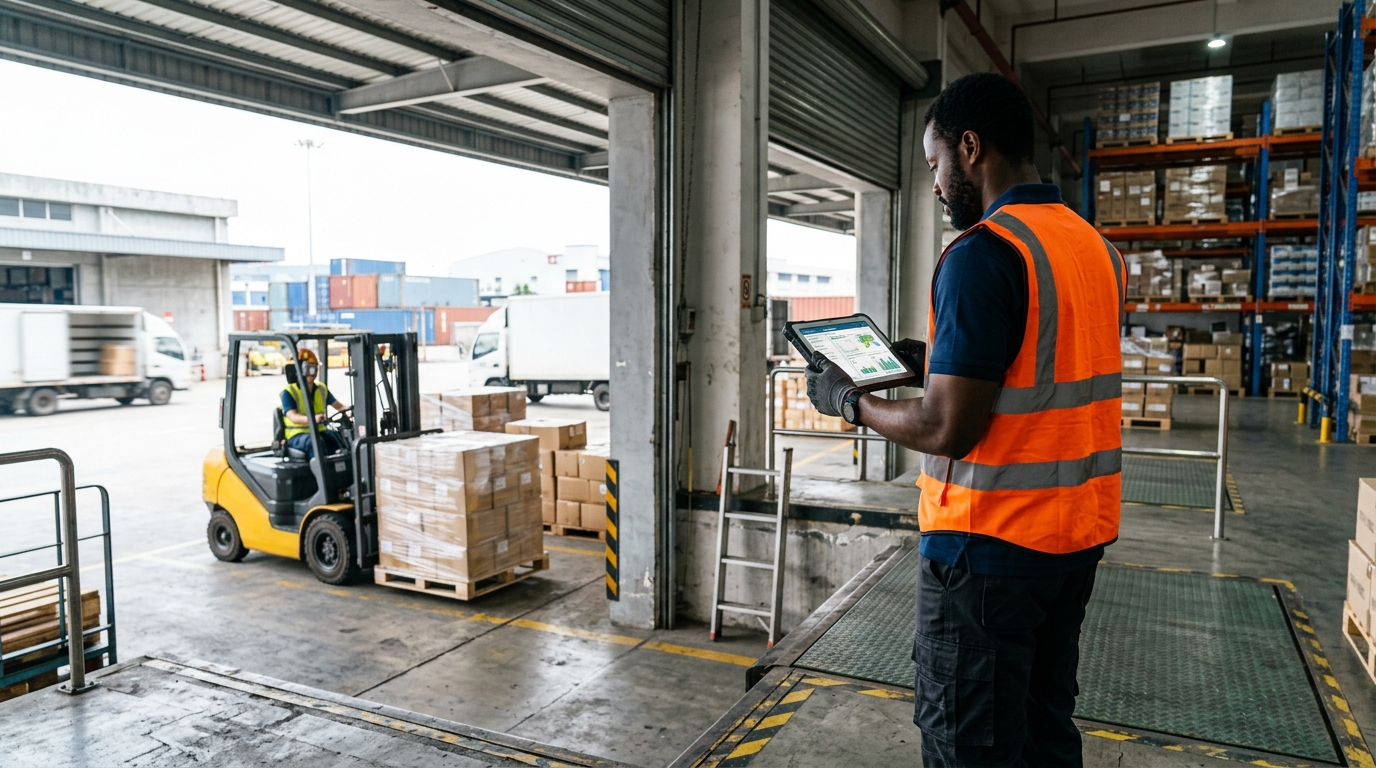
For an ecommerce brand sourcing from China, a typical FOB shipment from Shenzhen follows this sequence:
- Supplier manufactures goods and packs them for export at their factory in Shenzhen or the Pearl River Delta.
- Supplier arranges inland transport from factory to port, handles Chinese export customs clearance, and loads goods onto the nominated vessel.
- Risk and responsibility transfer to the buyer the moment goods are on board. The buyer’s freight forwarder takes over from this point.
- The buyer’s forwarder manages the ocean voyage, books cargo insurance (not mandatory under FOB but strongly advisable), and tracks the shipment.
- On arrival at the destination port, the buyer or customs broker files the import entry, pays applicable duties, and arranges inland delivery to their warehouse or 3PL.
This sequence assumes the buyer has a competent freight forwarder with China-side operations. For high-volume, experienced importers with established freight relationships, FOB is the most cost-efficient and controllable Incoterm. For ecommerce brands shipping smaller volumes without established freight infrastructure, the operational complexity of managing a China-origin FOB shipment can outweigh the cost savings.
When FOB Works — and When DDP Is Better for Ecommerce
The choice between FOB and DDP is the most practically significant Incoterm decision for ecommerce brands sourcing from China.
When FOB is the right choice
- You have an established freight forwarder with China-side capability and are comfortable managing the ocean freight relationship directly.
- You are shipping full container loads (FCL) where negotiating your own freight rate provides meaningful cost savings.
- You want maximum visibility and control over every leg of the shipment, including carrier selection, insurance coverage, and routing decisions.
- You are shipping B2B. Your customer is a business with their own customs broker and import infrastructure.
When DDP is the better choice for ecommerce
- You are shipping directly to consumers (DTC) customers who receive an unexpected customs bill abandon orders and dispute charges. DDP eliminates this by making all duties a seller-side cost with a known landed price.
- You are shipping from China to the US post-May 2025 every package now requires formal customs entry and full duty payment regardless of value. DDP through a logistics partner with established customs channels handles this at scale; ad-hoc customs at the buyer’s end creates per-order cost and complexity.
- You are expanding into new markets without established customs broker relationships. Managing import compliance in each new market under FOB requires market-by-market infrastructure. DDP through a global fulfilment partner transfers that infrastructure to the partner.
- Your order volumes are growing but you have not yet built the freight relationships that make FOB cost-competitive versus DDP.
Fulfillmen’s DDP shipping from China service is designed for the ecommerce brand that has outgrown the complexity of managing FOB imports. See our detailed comparison of DDP vs DDU/DAP for the full decision framework.
How Fulfillmen Supports Brands Moving Between FOB and DDP

Fulfillmen operates as a third-party logistics provider with warehouse infrastructure in Shenzhen, Hong Kong, India, and the US at the origin of the China-to-world supply chains most ecommerce brands depend on.
- For brands on FOB terms with their own forwarders, Fulfillmen’s warehouse and inventory management infrastructure in China provides a hybrid path: receive goods FOB Shenzhen, hold them at Fulfillmen’s China warehouse for quality inspection and fulfilment preparation, then despatch to global customers under DDP terms. FOB control on inbound purchasing; DDP customer experience on outbound orders.
- For brands sourcing through D2C procurement, Fulfillmen coordinates the full chain from supplier to quality check to branded fulfilment to global customer delivery under a single logistics relationship. No separate FOB freight forwarder, customs broker, and 3PL to manage.
- Fulfillmen’s global logistics services include multi-carrier routing (DHL, FedEx, UPS, USPS, and regional partners) with DDP customs handling for major markets. No carrier lock-in, no minimum order requirements, 90 days free storage.
Whether you are currently on FOB terms and want to understand your options, or already know DDP fulfilment is the right model, get a free quote from Fulfillmen and see what your China-to-customer supply chain looks like with a China-origin logistics partner behind it.
Frequently Asked Questions About FOB Shipping
What does FOB mean in shipping?
FOB stands for Free on Board. Under FOB terms, the seller covers all costs to get goods to a named port and loaded onto a vessel. From the moment goods are on board, the buyer is responsible for ocean freight, insurance, destination port charges, customs clearance, import duties, and delivery.
What is the difference between FOB shipping point and FOB destination?
FOB Shipping Point means risk and ownership transfer to the buyer at the moment goods leave the seller’s facility or named origin point. FOB Destination means the seller retains responsibility until goods arrive at the buyer’s named destination. FOB Destination is more favourable for buyers; FOB Shipping Point is the standard for China-origin international trade.
What does FOB price mean on a supplier quote?
An FOB price includes the product cost plus all costs to deliver goods to the named port and load them onto the vessel. It does not include ocean freight, cargo insurance, destination port fees, import duties, or inland delivery. For US imports, customs duties are calculated on the FOB value, not on the final landed cost including freight.
What is the difference between FOB and CIF?
Under FOB, the buyer chooses and pays for ocean freight and cargo insurance directly. Under CIF, the seller arranges and pays for ocean freight and basic insurance to the destination port, but risk still transfers to the buyer when goods are loaded at origin. CIF gives the supplier control over freight carrier selection, which can result in hidden freight markups. Most experienced importers prefer FOB for cost control and transparency.
What is the difference between FOB and DDP?
FOB transfers risk and cost to the buyer when goods are loaded at the origin port the buyer then manages ocean freight, customs, duties, and delivery. DDP means the seller or logistics partner handles everything, including customs and import duties, until goods arrive at the buyer’s named destination. DDP is essential for DTC ecommerce brands shipping directly to consumers who cannot manage import customs processes themselves.
What does FOB China mean?
FOB China typically ‘FOB Shenzhen’ or ‘FOB Shanghai’ means the supplier covers costs to the named Chinese port and loads goods onto the vessel. From that point, the buyer is responsible for ocean freight, insurance, import customs clearance, duties, and delivery. Always verify that the named port is the nearest major port to your supplier’s location ‘FOB Shenzhen’ from a factory in northern China means the supplier pays significant inland transport costs that will be reflected in their unit price.