
The dropshipping vs Amazon FBA debate is one of the most searched comparisons in e-commerce and every guide you’ve read frames it as a binary choice. Pick one based on your budget, your risk tolerance, and how much control you want. But there’s a third model that every comparison guide ignores completely: own-store DTC fulfillment backed by a 3PL partner. It captures the brand ownership and low platform cost of dropshipping, combined with the delivery speed and quality control of FBA without paying Amazon 30 to 40 percent of your revenue per sale. This guide covers the honest comparison between all three: what each model costs to start, what it actually earns, where each one breaks down at scale, and who should choose which depending on where they are in their e-commerce journey.
Both dropshipping and Amazon FBA are genuinely viable. Amazon’s third-party marketplace accounted for over 60 percent of Amazon’s total unit sales in 2025, according to the Amazon Annual Report. Grand View Research projects the global dropshipping market will reach $1.25 trillion by 2030. Neither model is declining. But the gap between them and the third path between them matters enormously for your margins, your brand, and your long-term growth ceiling.

What Each Model Is — Defined Precisely
Before comparing them, it’s worth being precise about what each model actually involves, because the surface-level definitions don’t capture the critical operational differences.
How Dropshipping Works
In dropshipping, you list products in your own online store typically Shopify or WooCommerce without purchasing any inventory upfront. When a customer orders, you forward that order to a third-party supplier who ships directly to the customer from their warehouse. Your profit is the margin between the customer’s retail price and the supplier’s wholesale cost. You own the store, the customer relationship, and the marketing. The supplier owns and manages the inventory and fulfillment. You never touch the product.
How Amazon FBA Works
In Amazon FBA (Fulfillment by Amazon), you purchase inventory upfront, ship it to Amazon’s fulfillment centers, and list it on Amazon’s marketplace. When a customer orders, Amazon picks, packs, ships, and handles customer service and returns. Your product gets the Prime badge critical for conversion on Amazon and benefits from Amazon’s search algorithm. You pay Amazon referral fees (8 to 15 percent of the sale price by category), fulfillment fees (per-unit, size and weight tiered), and monthly storage fees. Amazon owns the customer relationship. You own the inventory.
The Critical Difference Most Comparisons Miss
Both models are presented as “you don’t need a warehouse.” That’s technically true but operationally misleading. The real difference is deeper. In dropshipping, you own the customer and the brand but you don’t control the fulfillment experience. In FBA, you control the fulfillment experience (Amazon’s standard) but Amazon owns the customer. Neither model gives you both simultaneously. That’s the gap the third model fills.
Startup Cost Comparison — The Real Numbers
Startup cost is where the two models split most dramatically, and it’s usually the deciding factor for beginners. But the commonly cited numbers obscure important details.
Dropshipping Startup Cost
A functional dropshipping store can launch for $150 to $500 in the first month. That covers Shopify Basic at $39, a domain at approximately $15, and an initial ad budget of $100 to $400 to test your first products. You don’t buy a single unit of inventory before a customer pays you. If your first five products don’t convert, you lose your ad test budget not five thousand dollars in warehouse stock. That low financial floor is genuinely why dropshipping remains the dominant entry point for first-time e-commerce entrepreneurs. The risk is calibrated to the information you have, which at the start is minimal.
Amazon FBA Startup Cost
Amazon FBA realistically requires $2,500 to $10,000 to launch a single product. That covers product sourcing and inventory ($1,000 to $5,000 for a first order at minimum viable quantities), shipping to Amazon’s fulfillment centers ($0.50 to $2.00 per unit for ocean freight), professional product photography ($150 to $400), an Amazon Professional Seller account ($39.99 per month), and PPC advertising to establish initial ranking ($500 to $1,500). All of this is committed before a single customer sees your listing. If the product doesn’t sell, you’re sitting on inventory generating storage fees until you liquidate it or pay Amazon to remove it.
What the Cost Difference Actually Means
Dropshipping’s lower startup cost isn’t just about money it’s about information. You can test whether there’s real demand for a product with $50 in ad spend. If nobody buys, you move on tomorrow. FBA requires committing $3,000 to $8,000 to find out the same thing. Many experienced sellers now use dropshipping deliberately as a product validation tool before committing FBA inventory: dropship a product to confirm real demand, then move the winner to FBA for better margins and Prime shipping. That sequencing is smarter than treating the two models as mutually exclusive.
Profit Margin Comparison — What You Actually Keep
Margin comparison between dropshipping vs Amazon FBA is the most frequently misrepresented aspect of this debate because both sides cite different parts of the cost stack.
Dropshipping Profit Margins
Net profit margins for well run dropshipping stores in 2026 average 10 to 25 percent after all costs: product cost, shipping, advertising CPA, payment processing (2.9 percent plus $0.30), returns provision, and platform fees. That’s the real number not gross margin, not revenue. Stores below 10 percent net margin are fragile. Stores above 20 percent have real room to scale advertising. The ceiling on dropshipping margins is primarily set by the cost per acquisition the advertising spend required to generate each sale. Organic traffic, strong conversion rates, and repeat customer rates improve the margin picture significantly.
Amazon FBA Profit Margins
FBA margins look better before Amazon’s fees. But the total Amazon fee take referral fees (8 to 15 percent), fulfillment fees (size and weight tiered, rising an average of $0.08 per unit in 2026 per Amazon’s official announcement), storage fees ($0.78 per cubic foot January through September, tripling to $2.40 in Q4), plus potential aged inventory surcharges typically consumes 30 to 40 percent of the selling price before you account for your product cost or advertising. After all costs including Amazon PPC (essential for most new products to rank), most FBA sellers net 15 to 30 percent on proven products. The margin advantage over dropshipping is real but narrower than most FBA comparisons suggest, and it comes with significantly higher capital commitment and inventory risk.
The Hidden Margin Killer in FBA: Q4 Storage Fees
Amazon’s Q4 storage fees triple from $0.78 to $2.40 per cubic foot from October through December. For sellers with slow moving inventory during the holiday season, this fee alone can eliminate monthly profitability. Aged inventory surcharges apply when stock sits for more than 181 days. Removal fees apply to get unsold inventory out of Amazon’s warehouses. These fees don’t appear in most dropshipping vs FBA margin comparisons but they appear on every FBA seller’s invoice.
Fulfillment Speed and Customer Experience
Delivery speed is the dimension where Amazon FBA has the clearest and most meaningful advantage over standard dropshipping.
FBA's Speed Advantage Is Real
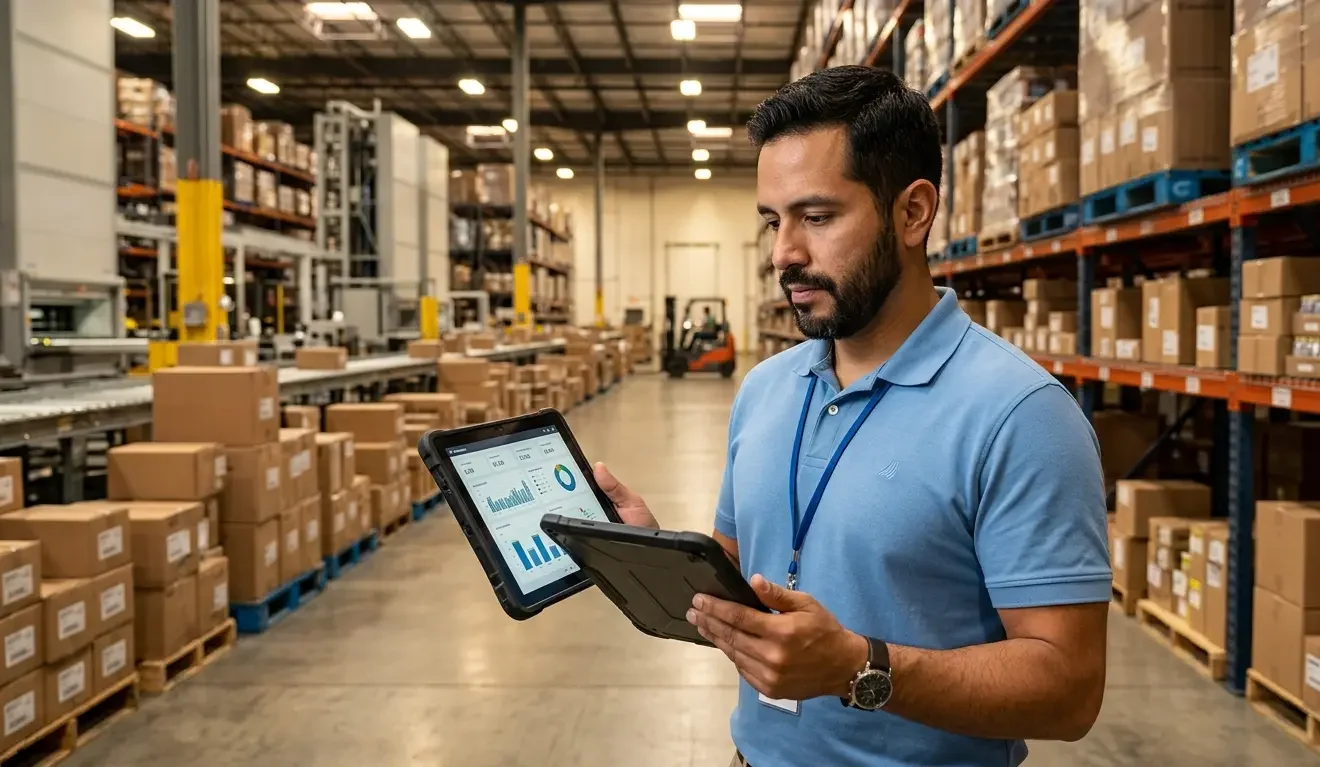
Amazon Prime delivers in one to two days to Prime members. That’s the benchmark Amazon has trained 170 million Prime subscribers to expect, and it converts at significantly higher rates than any other delivery window. FBA listed products earn the Prime badge, which improves Buy Box visibility and conversion rates meaningfully. If your product is on Amazon and it doesn’t have the Prime badge, you’re competing against Prime sellers at a structural disadvantage.
Standard Dropshipping's Speed Problem
Supplier-direct dropshipping from China takes 7 to 30 days depending on the shipping method. Even premium shipping lines (DHL, YunExpress, 4PX) deliver in 7 to 12 days to the US. That’s acceptable for low competition niches or products where the customer has few alternatives but it’s not competitive against Prime for broad consumer goods categories. The April 2025 de minimis threshold elimination further complicates China-direct dropshipping: packages now face individual customs screening and potential duties, adding cost and delay to every direct China-to-customer shipment.
The Delivery Speed Solution That Doesn't Require Amazon
A 3PL partner with US domestic warehousing delivers in 2 to 5 days via USPS, UPS, or FedEx without a Prime badge, without Amazon’s fee structure, and without Amazon owning the customer. Sellers who pre-position inventory in a US 3PL warehouse and fulfill orders from their own store get the delivery speed that converts, the brand experience that retains, and the customer data that compounds into repeat revenue. That’s the model Amazon FBA can’t replicate because Amazon’s Terms of Service don’t allow you to market your brand directly to customers who bought through their platform.
Brand Control and Customer Ownership
This dimension is where the dropshipping vs Amazon FBA comparison most clearly favors a different model entirely.
Dropshipping: You Own the Customer, You Don't Control the Experience
In a dropshipping store, you own everything above the fulfillment layer. The customer’s email address is yours. Their purchase history is yours. You can retarget them, build an email list, create loyalty programs, and invest in customer lifetime value. But the physical experience the packaging, the delivery window, the product quality consistency is controlled by your supplier. That disconnect is the central tension of dropshipping at scale.
FBA: You Control the Experience, Amazon Owns the Customer
Amazon’s fulfillment is excellent. The packaging meets Amazon’s standard. Delivery is fast. Returns are easy. But the customer who bought your product on Amazon is Amazon’s customer not yours. Amazon’s Terms of Service prohibit direct marketing to customers acquired through their platform. You can’t email them outside of transactional order communications. You can’t build a loyalty program. You can’t drive them to your own website. Every repeat purchase they make from your product category goes through Amazon again, with Amazon collecting the referral fee each time.
The Own-Store 3PL Model: You Own Both
In a DTC store backed by a 3PL fulfillment partner, you own the customer relationship and control the fulfillment experience. The customer’s email is in your Klaviyo list. Their order history is in your Shopify dashboard. Your 3PL delivers in 2 to 5 days in your branded packaging. The customer’s next order comes to your store, not Amazon’s. That’s the compounding value that neither dropshipping nor FBA alone provides.
The Third Model — Own-Store DTC with 3PL Fulfillment
Every dropshipping vs Amazon FBA comparison assumes you’re choosing between a marketplace and a supplier-direct model. Neither assumption is necessary once you have validated products and consistent order volume.
What the Third Model Looks Like
You run your own Shopify store. You source products at factory level pricing through a procurement partner. You ship inventory to a domestic 3PL warehouse at bulk sea freight rates. The 3PL holds your inventory, QC-inspects every unit at intake, and fulfills customer orders at 2 to 5 day domestic speeds in your branded packaging. Your customer receives a fast, professional, branded delivery experience. You keep the email address, the purchase data, and the repeat purchase revenue. You pay zero marketplace percentage on each sale.

How the Economics Compare
At a $60 product selling for $60 on Amazon FBA, Amazon takes approximately $9 in referral fees (15 percent) plus $3 to $5 in fulfillment fees plus $0.50 in storage roughly $12.50 to $14.50 off the top before your product cost or advertising. On your own Shopify store with 3PL fulfillment, you pay $4 to $8 in fulfillment cost and $1.74 in payment processing. Amazon’s fee advantage disappears the platform traffic advantage is the only real trade-off, and paid advertising on TikTok and Meta fills that gap at significantly lower cost per click than Amazon PPC for most product categories.
How Fulfillmen Enables the Third Model
Fulfillmen is the fulfillment infrastructure for DTC brands that have validated products and want the delivery speed of FBA without Amazon’s platform dependency.
D2C Procurement — Factory Pricing Without the Sourcing Complexity
Fulfillmen’s D2C Procurement service sources products directly from Chinese manufacturers at 1688-level pricing 30 to 50 percent lower than equivalent AliExpress products without requiring you to navigate Mandarin-language platforms or manage a separate sourcing agent. Lower COGS means higher margins on every unit regardless of which channel you sell through.
90 Days Free Storage vs Amazon's Tripling Q4 Fees
Fulfillmen’s 90-day free storage model eliminates the storage cost line that makes Amazon FBA expensive for slower-moving products or seasonal inventory. You ship inventory to Fulfillmen’s US warehouse by sea freight during your planned replenishment window. You store it for up to 90 days at zero cost. You fulfill customer orders at 2 to 5 day domestic speeds. Compare that to Amazon’s $2.40 per cubic foot Q4 storage fees that compound for every unsold unit sitting in an Amazon fulfillment center in November and December.
The Fulfillment Experience That Builds Brand Loyalty
Fulfillmen fulfills every order in your branded packaging custom boxes, branded inserts, tissue paper, and promotional materials with quality checked products from intake inspection through despatch. The customer’s unboxing experience is identical to receiving from a brand with its own warehouse operation. That experience drives repeat purchases. Repeat purchases from your own store don’t pay Amazon a referral fee. [Contact Fulfillmen today] to get a quote and see exactly how the economics compare against your current model.
Which Model Should You Choose? The Decision Framework
The right model depends entirely on where you are in your e-commerce journey.
Choose Dropshipping If:
You’re testing your first product or niche, you have under $1,000 to invest, you want to validate demand before committing inventory capital, or you need to launch and learn e-commerce fundamentals before scaling. Dropshipping is the right starting point not because it’s the best long-term model, but because it’s the lowest-cost way to find out whether your product idea has real market demand.
Choose Amazon FBA If:
You have $3,000 to $10,000 in available capital, you’ve validated a product with proven demand (ideally through a prior dropshipping test), you want access to Amazon’s Prime customer base and organic search traffic, and you’re comfortable with Amazon owning the customer relationship in exchange for platform distribution. FBA is a strong model for sellers who prioritise volume and marketplace visibility over brand building and customer ownership.
Choose Own-Store DTC with 3PL Fulfillment If:
You’ve validated your winning products, you’re doing 30 or more consistent daily orders, you want to build a brand rather than a listing, you want delivery speed competitive with Prime without paying Amazon’s fee structure, and you want to own every customer relationship for repeat purchase leverage. This is the model that outperforms both dropshipping and FBA at scale and Fulfillmen is built to make it operationally accessible without enterprise-level complexity.
FAQs — Dropshipping Inventory Management
Which is better for beginners: dropshipping or Amazon FBA?
Dropshipping is better for beginners in 2026 because it requires $150 to $500 to launch, carries no inventory risk, and lets you test multiple products and niches without financial commitment. Amazon FBA requires $2,500 to $10,000 upfront for a single product, and if that product doesn’t sell, you’re managing unsold inventory generating storage fees. Most experienced e-commerce sellers recommend using dropshipping to validate product demand first, then transitioning proven winners to FBA or a 3PL model for better margins, faster delivery, and a more defensible brand.
What are the main differences between dropshipping and Amazon FBA?
The three critical differences are inventory ownership, customer ownership, and fee structure. In dropshipping, you own no inventory and the supplier ships to your customer directly you own the customer relationship but don’t control the fulfillment experience. In FBA, you own the inventory (stored at Amazon’s warehouses) and Amazon controls fulfillment but Amazon owns the customer relationship. FBA takes 30 to 40 percent of your selling price in combined fees. Dropshipping’s primary cost is advertising spend, not platform percentage fees. Both models remove the need for your own warehouse, but for very different reasons and with very different long-term implications for brand building.
How much does it cost to start Amazon FBA in 2026?
A realistic budget to start Amazon FBA in 2026 is $2,500 to $10,000 for a single product. That covers product sourcing and first inventory order ($1,000 to $5,000), shipping to Amazon’s fulfillment centers ($0.50 to $2 per unit for ocean freight), professional product photography ($150 to $400), an Amazon Professional Seller account ($39.99 per month), and PPC advertising to establish initial ranking ($500 to $1,500). Amazon FBA fees in 2026 include referral fees of 8 to 15 percent by product category, fulfillment fees based on size and weight, and storage fees that range from $0.78 per cubic foot (January through September) to $2.40 per cubic foot during Q4. Amazon confirmed 2026 FBA fees increase by an average of $0.08 per unit from January 15, 2026.
Can you do dropshipping on Amazon?
Yes, but with strict compliance requirements. Amazon’s dropshipping policy requires that you are the seller of record, meaning your business name must appear on all packing slips, invoices, and external packaging. Your supplier must remove any materials identifying themselves as the third-party shipper. You are fully responsible for accepting and processing customer returns. Amazon has tightened enforcement of these seller-of-record requirements in 2026, and penalties for non-compliance including account suspension have become more common. The complexity of maintaining Amazon policy compliance while managing supplier relationships makes dropshipping on Amazon more operationally demanding than dropshipping on your own store.
Is Amazon FBA still profitable in 2026?
Yes Amazon FBA remains profitable in 2026 for sellers who select products carefully, manage their inventory efficiently to avoid aged inventory fees, and run their PPC campaigns with disciplined cost-per-click control. FBA is most profitable for private label products with genuine differentiation, where sellers aren’t competing directly with identical listings from other sellers. The main headwinds in 2026 are rising PPC costs (Amazon’s average CPC reached $1.18 in early 2026, up from $0.97 in 2024), the January 2026 fulfillment fee increases averaging $0.08 per unit, and Q4 storage fees that triple for unsold inventory. Sellers who treat FBA as a real business with disciplined unit economics continue to build profitable operations.
Should I switch from dropshipping to Amazon FBA?
The most strategic path isn’t switching from one to the other — it’s using them in sequence and then evaluating a third option. Use dropshipping to validate product demand at low cost. Once you’ve identified a product generating consistent daily orders, evaluate two options: move it to Amazon FBA for Prime badge access and marketplace traffic, or move it to a 3PL-backed own-store model for 2 to 5 day domestic delivery without Amazon’s 30 to 40 percent fee extraction. The FBA choice makes sense if you want marketplace distribution and are comfortable with Amazon owning the customer. The 3PL choice makes sense if you want to build a brand with owned customer relationships and higher margins. Many successful e-commerce operations run both simultaneously FBA for new product discovery and marketplace velocity, own-store 3PL for established products where brand loyalty and repeat purchases matter.