Every ecommerce seller faces it eventually. A product sells faster than expected, the warehouse count hits zero, and orders are still coming in. What is a backorder, exactly, and does it mean you’ve lost those sales? The honest answer is no but only if you handle it right. A backorder is a confirmed customer order that can’t ship immediately because the item is out of stock, but will be fulfilled once inventory is replenished. The customer has paid, the commitment is made, and your job is to deliver on it. Done well, a backorder keeps revenue that would otherwise walk out the door. Done badly, it damages trust in ways that take months to repair.
This guide explains what a backorder is, why it happens, how it differs from a true stockout, and exactly what experienced ecommerce operations teams do to manage it without losing customers. Because the difference between sellers who handle backorders well and those who don’t isn’t knowledge of the term, it’s knowing the mechanics behind it.
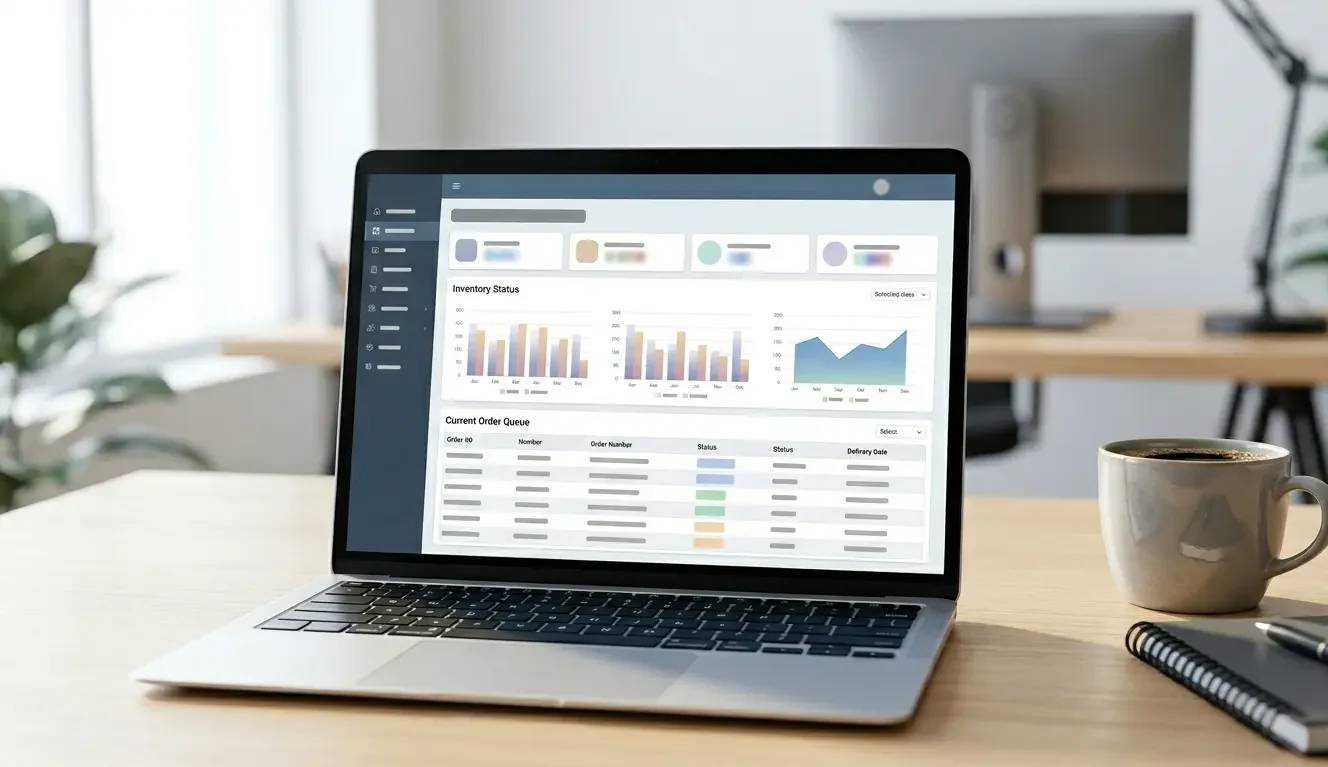
What a Backorder Actually Means in Practice
The Operational Definition
A backorder, in operational terms, is a demand commitment that exists ahead of available supply. The customer has ordered. Payment is collected or authorised. But the product isn’t physically in the fulfillment centre at that moment. Your system records it as an open order pending inventory receipt. It isn’t a cancelled sale and it isn’t a lost sale, it’s a deferred fulfillment event. What a backorder signals operationally is that your demand forecasting and your reorder timing fell out of sync. The product proved more popular than your safety stock accounted for, or a supply chain delay meant your replenishment order arrived later than expected. Understanding what a backorder means at this level helps you respond to it correctly instead of reactively.
Backorder vs Out of Stock — a Critical Distinction
These two terms get used interchangeably but they mean different things commercially. An out-of-stock item is unavailable with no active commitment to the customer; the product page shows “sold out,” the customer can’t purchase, and there’s no transaction. A backorder is different because the transaction has happened. The customer has purchased with the understanding that fulfillment will come later. What a backorder creates is an obligation. Out of stock creates a gap. Managing backorders means managing that obligation responsibly communicating clearly, setting accurate timelines, and delivering on the commitment. Failing to do so converts a backorder into something much worse: a dispute, a chargeback, and a customer who never comes back.
Pre-Order vs Backorder
Pre-orders involve products that haven’t been available before a new product launch, a seasonal item before its release, or a limited run being introduced. A backorder, by contrast, applies to products that were previously in stock, sold out due to demand, and are being replenished. The distinction matters for your product page copy and your customer communication. Customers have different expectations for pre-orders versus backorders. A backorder on a product they already know suggests a supply problem. A pre-order on a new release suggests desirability. Frame them accordingly.
The Three Most Common Causes of Backorders
Demand Spikes That Outrun Forecasting
The most frequent cause of a backorder is demand that exceeds what the inventory forecast anticipated. A viral social media post, a media mention, a seasonal surge, or a successful ad campaign can drive orders at a rate that empties stock in hours. What a backorder tells you in this scenario isn’t that you failed it’s that the product is genuinely popular. The right response is to treat it as a market signal. Document what triggered the spike, build it into your next forecast cycle, and increase your safety stock buffer for that SKU. Because it’ll happen again, and next time you want to be ready for it.
Supply Chain Delays From the Source
When you’re sourcing from manufacturers particularly those based in China or Southeast Asia lead times carry real variability. Factory production cycles, port congestion, customs clearance, and freight capacity all introduce timing gaps that are hard to predict perfectly. A supplier who quoted a 21-day lead time may deliver in 28 or 35 days. If your reorder point was calibrated to the 21-day estimate, you’re running on empty for those extra days. What a backorder caused by supplier delay requires faster communication upstream and buffer stock that accounts for lead time variance, not just the best-case estimate.
Safety Stock Calculated Too Lean
Safety stock is the buffer inventory you hold above your projected minimum. Many ecommerce sellers calculate it based on average demand and average lead time which means it protects against average scenarios but fails when either variable spikes. A safety stock calculation that uses maximum demand and maximum lead time (instead of averages) provides genuine protection. The additional carrying cost of holding 10 to 15% more inventory on your best-performing SKUs is almost always lower than the cost of managing a backorder situation, including customer service time, expedited shipping, and the revenue risk of cancellations.

The Real Cost of a Mismanaged Backorder
Customer Churn Is the Hidden Price
The immediate cost of a backorder is visible: expedited shipping to recover the delay, additional customer service hours, possible discounts offered as compensation. But the hidden cost is customer churn. Industry data shows that 34% of consumers are less likely to shop with a retailer again after experiencing delayed orders (Fulfyld, 2025). For ecommerce brands with thin margins, losing nearly one in three customers from a backorder event is a serious compounding problem. What a backorder costs isn’t just the operational overhead, it’s the lifetime value of customers who don’t return. That number is almost always larger than the margin on the original order.
The 24-Hour Communication Rule
The single most important variable in whether a customer stays or leaves during a backorder is how quickly you tell them about it and what you offer. The operational standard at Fulfillmen is a 24-hour customer notification from the moment a backorder is confirmed. That notification needs three things: a clear explanation of what happened, an accurate estimated fulfillment date based on confirmed supplier timelines (not a guess), and a genuine option whether that’s a comparable alternative product, a discount, or a no-penalty cancellation. Customers who are told nothing, or told too late, cancel at far higher rates than those who receive honest, fast communication.
Backorder Rate as a Performance Metric
Serious inventory operations track backorder rate as a standing KPI, not just as a post-incident number. Backorder rate is calculated as the number of backorder events divided by total orders in a given period, expressed as a percentage. Businesses with optimised 3PL partnerships and accurate demand forecasting typically run backorder rates below 2%. Fulfillmen’s operational data across client accounts shows that ecommerce sellers who transition from self-fulfillment to 3PL warehousing in Shenzhen or Hong Kong reduce their backorder duration by an average of 23% because proximity to the manufacturing source shortens the replenishment cycle when a backorder occurs.
How to Prevent Backorders Before They Happen
Reorder Point Formulas That Actually Work
A reorder point is the inventory level at which you trigger a new purchase order. The standard formula is: Reorder Point = (Average Daily Sales × Lead Time in Days) + Safety Stock. The mistake most sellers make is using average daily sales instead of peak daily sales for high-risk SKUs. If your top-performing product averages 50 units per day but peaked at 120 during a promotion, your reorder point should be built around the 120 scenario, not the 50. What a backorder prevention strategy requires is using real demand data including spikes not smoothed averages that underestimate risk on your most important products.
Inventory Visibility Across the Full Supply Chain
Knowing your warehouse stock level is useful. Knowing what’s in production, what’s in transit, and what’s cleared customs is what actually prevents stockouts. End-to-end inventory visibility means you can see the gap between current stock and incoming supply in real time, and make decisions pausing ad spend on a product, adjusting your product page, or expediting a reorder before you hit zero. Modern 3PL systems provide this visibility as a standard feature. If your current setup only tells you what’s on the shelf right now, you’re making inventory decisions with partial information.
Distribution Strategy Reduces Exposure
Backorder risk increases with long replenishment cycles. One structural way to reduce that risk is to shorten the cycle by locating your fulfillment infrastructure closer to your supply source. For ecommerce sellers sourcing from China, warehousing in Shenzhen or Hong Kong means replenishment moves in days rather than weeks when a backorder event occurs. That geography advantage is measurable and it’s one of the reasons Fulfillmen clients in these regions consistently recover from backorder events faster than sellers routing through US-only or European fulfillment networks.
Managing a Live Backorder Situation
Updating Your Product Page Immediately
The moment a backorder is confirmed, the product page must be updated. Show the item as backordered, not out of stock or unavailable. Include the expected restock date if you have a confirmed supplier timeline not an estimate, a confirmed date from your supplier. Displaying a specific date sets a clear expectation and gives the customer a decision point: wait for this date, or choose an alternative. If you don’t yet have a confirmed timeline, be honest about that and update as soon as you do. Vague messaging “available soon” erodes trust faster than an honest delay notice.
Communicating With Existing Customers in the Backorder Queue
Every customer whose order is currently in a backorder queue needs proactive updates, not reactive responses. Set a communication cadence: notify at the point of backorder creation, update when a supplier timeline is confirmed, and notify again 48 hours before the order ships. Don’t wait for customers to contact you asking for updates. By the time a customer reaches out to ask about their order, their patience is already strained. What a backorder communication strategy needs to do is give customers the sense that their order is being actively managed, not sitting in a queue somewhere being ignored.
Using Backorder Data to Improve Forecasting
Every backorder event is a data point. After resolution, document the cause, the duration, the customer communication impact, and what a better reorder point or safety stock level would have looked like given the actual demand pattern. Build this review into your monthly inventory operations cycle. Sellers who treat backorders as isolated incidents miss the compounding insight available from pattern analysis. Most backorder situations have a predictable cause and that cause is almost always detectable in the demand data before it becomes a stockout. The backorder review process turns a problem into a forecasting improvement.
When Backordering Is Actually the Right Strategy
High-Demand, Proven Products With Short Lead Times
Backordering makes strategic sense for products with proven demand, loyal customers who will wait, and short supplier lead times. If you’re selling a product that consistently sells out and you have a reliable supplier who can replenish in 7 to 14 days, accepting backorders rather than shutting down purchases maintains revenue momentum without over-committing your cash to safety stock. The key requirement is that your lead time is short enough to keep backorder duration within customer tolerance typically 10 to 14 days maximum for most ecommerce categories before cancellation rates spike significantly.
Managing Backorders With a Fulfillment Partner
A 3PL partner changes the backorder management equation in two important ways. First, real-time inventory visibility means you know you’re approaching a backorder situation before it happens, not after. Second, proximity to suppliers particularly for sellers working with Chinese manufacturers means that when a backorder does occur, the replenishment cycle is shorter because the fulfillment infrastructure is already close to the production source. Fulfillmen operates warehouses in Shenzhen, Hong Kong, and India, which means clients sourcing from Chinese manufacturers can move from a backorder event to fulfillment significantly faster than sellers routing through distant 3PL networks.
The Backorder-to-Conversion Opportunity
What a backorder creates, when handled well, is a brand trust moment. A customer who places a backorder, receives honest communication, gets accurate updates, and receives their order within the stated window is often more loyal than a customer whose first experience was friction free. The bar has been tested and passed. Fulfillmen clients who have systematised their backorder communication automated notifications, accurate timelines, proactive follow-up consistently report higher repeat purchase rates from customers who experienced a backorder compared to those who didn’t. That’s the commercial case for managing it right: it’s not just damage control, it’s a retention opportunity.
How Fulfillmen Helps Ecommerce Sellers Prevent and Recover from Backorders
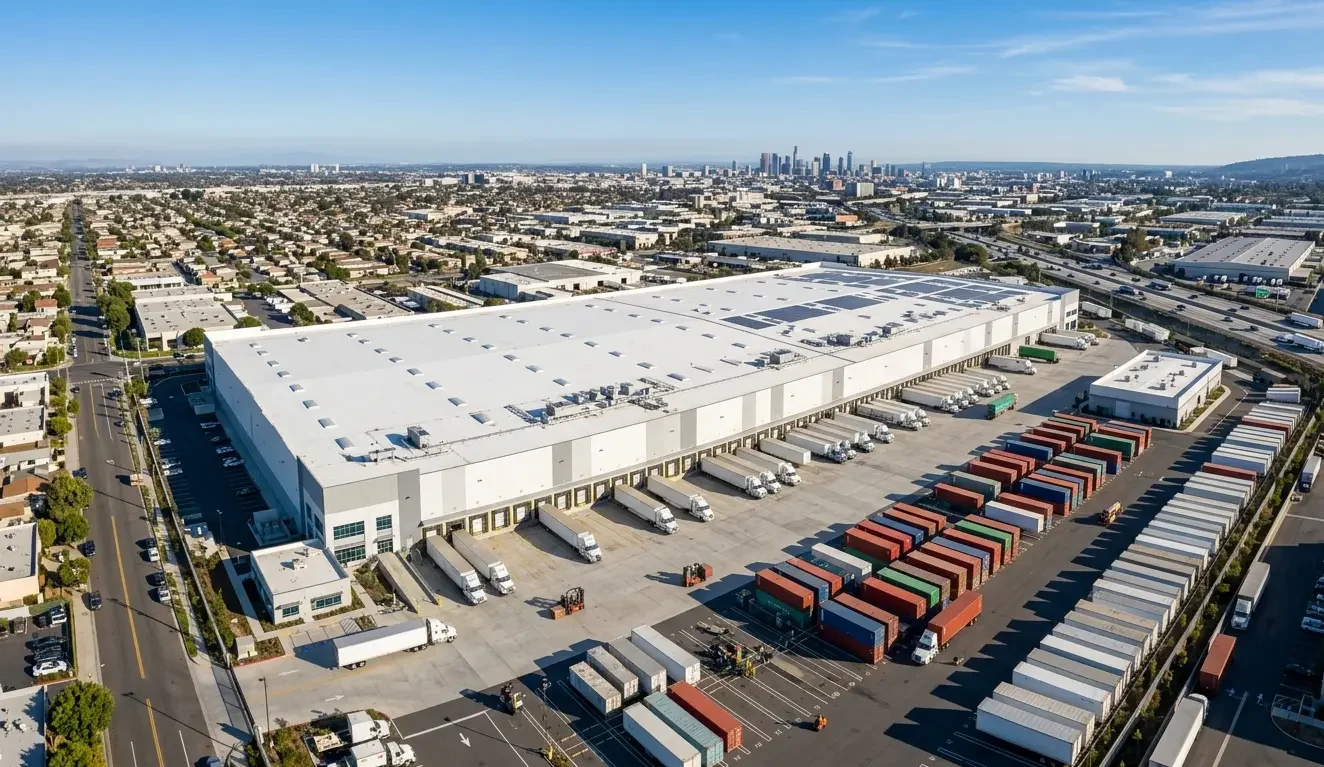
Backorders are a supply chain problem first and a customer experience problem second. The most effective way to reduce both is to build your fulfillment infrastructure close to your supply source, with real-time visibility across your entire inventory position. That’s what Fulfillmen does.
Shenzhen and Hong Kong Warehousing — Shorter Replenishment Cycles
Fulfillmen operates fulfillment centres in Shenzhen, Hong Kong, and India. For ecommerce sellers sourcing from Chinese manufacturers, this proximity means that when a backorder occurs, replenishment doesn’t require an intercontinental freight cycle. Inventory moves from factory to warehouse in days, not weeks. Fulfillmen client data shows this geographical advantage reduces average backorder duration by 23% compared to sellers using US-only or European 3PL networks. When a backorder happens, speed of recovery matters and geography is the primary determinant of that speed.
Real-Time Inventory Visibility Across the Full Supply Chain
Fulfillmen’s platform gives clients visibility into current warehouse stock, inbound shipments, and customs status in a single dashboard. That means a Fulfillmen client can see a potential stockout forming before it becomes a backorder event and take action earlier. Pausing ad spend, adjusting product page messaging, or triggering an expedited reorder all happen faster when the data is visible in real time. Most backorder situations that Fulfillmen clients experience are caught and managed before they reach the customer, not after.
No Minimum Order Requirements — Flexible for Growing Brands
Many 3PL providers require minimum monthly order volumes that make them inaccessible for growing brands managing variable demand. Fulfillmen operates with no minimums, which means ecommerce sellers at every stage can access the same warehousing infrastructure, real-time inventory visibility, and China-based fulfillment speed that larger brands use. If you’re managing backorders manually right now and want to understand what a Fulfillmen partnership would change for your operation, contact the team at fulfillmen.com for a no-commitment conversation.
Frequently Asked Questions About Backorders
What is a backorder and how is it different from out of stock?
A backorder is a confirmed customer order placed for a product that isn’t currently in stock but will be fulfilled when inventory is replenished. The key difference from out of stock is that a backorder involves a completed transaction the customer has purchased and you have made a commitment to deliver. An out-of-stock situation typically means the product is unavailable and no purchase can be made. A backorder keeps the sale active while fulfillment is deferred. Managing a backorder means managing the customer relationship through that delay, which requires clear communication, accurate timelines, and reliable follow-through.
How long does a backorder usually take to be fulfilled?
Backorder duration depends on your supplier lead time, your proximity to the supply source, and how quickly your replenishment was triggered. For ecommerce sellers sourcing from Chinese manufacturers and using fulfillment infrastructure in Shenzhen or Hong Kong, replenishment cycles of 7 to 14 days are achievable. Sellers using US-only 3PL networks with suppliers in China typically see backorder durations of 3 to 6 weeks due to international freight timelines. The earlier you trigger your reorder and the closer your warehouse is to your supplier, the faster a backorder resolves. Most customers will tolerate a backorder wait of up to 14 days before cancellation rates rise significantly.
What causes backorders in ecommerce?
Backorders in ecommerce are caused by three primary factors: demand that exceeds the inventory forecast (often triggered by a sales spike, promotion, or viral moment), supply chain delays from suppliers or freight partners that push replenishment later than expected, and safety stock set too lean to cover demand variability. The most preventable cause is inaccurate safety stock calculation most backorder events are detectable in demand data before they become stockouts if you’re using peak demand rather than average demand in your reorder calculations. Sellers who review their backorder history and update their safety stock formulas accordingly significantly reduce their backorder frequency over time.
Is it bad for business to have a backorder?
A backorder isn’t inherently bad for business it’s a signal of demand and, handled well, it can become a retention opportunity. What a backorder becomes a problem is when it’s mismanaged: when customers aren’t notified quickly, when timelines are inaccurate, or when the commitment made at the time of purchase isn’t honoured. Research shows that customers who experience a well-managed backorder with fast notification, honest timelines, and options often demonstrate higher loyalty than those whose first purchase was straightforward. The commercial risk isn’t the backorder itself; it’s the silence and delay that damage trust when it’s handled poorly.
How do you prevent backorders from happening?
Preventing backorders requires three things working together: accurate demand forecasting using peak demand data (not just averages), safety stock calculated at maximum lead time rather than average lead time, and real-time inventory visibility that lets you see a potential stockout forming before it reaches zero. For ecommerce sellers sourcing from China, adding proximity to the equation warehousing in Shenzhen or Hong Kong shortens your replenishment cycle significantly, which means even when a backorder occurs, your recovery window is shorter. The goal isn’t to eliminate backorders entirely; it’s to reduce their frequency and minimise their duration when they do occur.
What should I tell customers when their order is on backorder?
When a customer’s order is on backorder, notify them within 24 hours with three pieces of information: what happened and why (honest, brief), when their order will ship based on a confirmed supplier timeline (not an estimate a confirmed date if you have one), and what their options are, including waiting for the restock, selecting an alternative product, or cancelling with a full refund. Don’t use vague language like “available soon.” Customers who receive specific, honest communication at the point of backorder cancel at far lower rates than those who receive nothing or receive a vague update. Speed and specificity are the two variables you can control.