
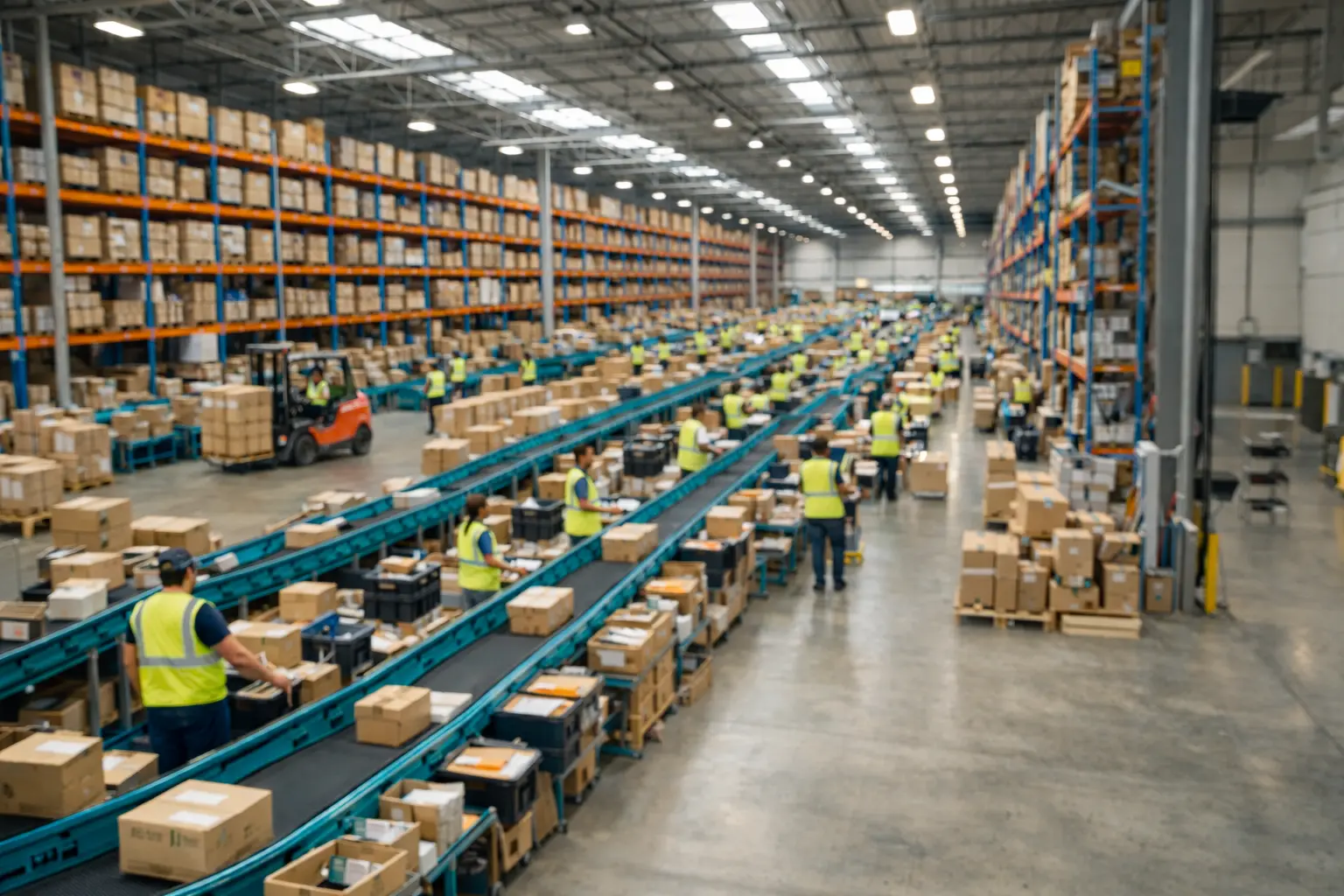
A fulfillment center is a third party logistics facility that manages the complete order lifecycle for ecommerce businesses receiving inventory from suppliers, storing it, picking and packing individual customer orders, shipping them via carrier networks, and processing returns. It’s the operational engine that sits between your product and your customer, handling every physical step of the delivery process so you don’t have to.
Most ecommerce sellers encounter this term early and think it’s just a fancy word for a warehouse. It isn’t. A warehouse stores goods. A fulfillment center moves them. That distinction shapes everything about how each facility is designed, staffed, priced, and measured and understanding it is the first step to deciding whether a fulfillment center is the right infrastructure for your ecommerce operation.

Fulfillment Center Meaning: The Precise Definition
What a Fulfillment Center Actually Does
The ecommerce fulfillment center meaning is more operational than most definitions suggest. It’s not simply a building that holds your products. It’s a high activity facility specifically designed to receive orders from your ecommerce store in real time, retrieve the right items from storage, pack them correctly, apply shipping labels, and hand them off to carriers for delivery every day, across hundreds or thousands of individual orders simultaneously.
A fulfillment center handles the entire post-purchase journey. Once a customer clicks “buy” on your Shopify store, the fulfillment center takes over. The order syncs automatically to the warehouse management system (WMS), a picker retrieves the correct items from their designated storage location, a packer assembles the order with appropriate materials, and a carrier collects the package all without you manually touching anything. According to Shopify’s fulfillment guide, ecommerce businesses processing 100–500 orders monthly consistently find that outsourcing to a fulfillment center reduces per order cost while improving shipping speed and order accuracy simultaneously.
The Fulfillment Center vs Warehouse Distinction That Matters
The most important thing to understand about fulfillment center meaning is how it differs from a standard warehouse because most people use these terms interchangeably and they shouldn’t.
A warehouse is fundamentally a storage facility. Products arrive in bulk, sit on shelves or pallets, and leave when needed. The business model is built around charging for space occupied over time. The longer goods sit, the more the warehouse earns. Operationally, it’s relatively static inventory comes in, gets organised, and waits.
A fulfillment center earns money in the opposite way. It’s profitable only when inventory moves. The entire facility design pick path optimisation, packing station layout, carrier integration, WMS architecture is built around processing orders as fast and accurately as possible. A fulfillment center with inventory sitting untouched is an underperforming fulfillment center. That fundamental difference in business model is why the two facilities look and operate so differently.
Warehouse | Fulfillment Center | |
Primary purpose | Long-term bulk storage | Rapid individual order processing |
Earns money from | Storage time | Orders shipped |
Inventory duration | Weeks to months | Days to weeks |
Order type | Bulk B2B shipments | Individual B2C parcels |
Technology | Basic inventory tracking | Real-time WMS, ecommerce integration |
Carrier relationship | Freight carriers | Parcel carriers (DHL, FedEx, USPS) |
Staffing model | Storage management | Pick, pack, ship operations |
How a Fulfillment Center Works: The Complete Operational Flow
Step 1 — Receiving Inventory from Your Supplier
The fulfillment center process begins before any customer places an order. When your inventory arrives from your supplier whether that’s a factory in China, a manufacturer in India, or a domestic producer the fulfillment center’s receiving team unloads, counts, inspects, and logs every unit against your purchase order.
This receiving stage is where quality issues get caught before they become customer complaints. Professional fulfillment centers run systematic receiving checks with barcode scanning and WMS logging, so every unit that enters storage is verified, assigned a SKU and location, and made available to your live store inventory immediately. If units arrive damaged or quantities don’t match the purchase order, you’re notified before goods enter storage not when a customer receives a defective product.
Step 2 — Storage and Inventory Management
Once received, your products sit in designated storage locations within the fulfillment center. Unlike a warehouse where goods are stored in bulk on pallets, fulfillment center storage uses bin, shelf, and zone systems designed for individual item retrieval. Fast moving SKUs (your bestsellers) get placed closest to packing stations to minimise picker travel time. Similar products get separated to prevent mis picks.
The WMS tracks every unit’s exact location in real time and syncs this data with your ecommerce store. This means your Shopify store always shows accurate available stock figures preventing overselling, which costs you refund processing and customer trust simultaneously.
Step 3 — Order Processing and Picking
When a customer places an order on your store, it syncs automatically to the fulfillment center’s WMS via API. No email forwarding. No manual entry. The system generates a pick list showing the picker exactly which items are needed and precisely where they’re stored.
The most common picking strategies used by professional fulfillment centers include batch picking (collecting multiple orders simultaneously to reduce travel time), zone picking (where pickers specialise in specific storage areas), and wave picking (scheduled picking bursts aligned to carrier collection times). The right strategy depends on your order volume and SKU mix a professional fulfillment center will apply the appropriate method automatically.
Step 4 — Packing and Quality Check
After picking, every order moves to a packing station where staff assemble the package with appropriate protective materials, branded inserts if applicable, and the right box or mailer size for the product. Dimensional weight matters here oversized packaging for small products means paying air freight rates on space rather than weight, which inflates your per order shipping cost without any benefit.
Industry leading fulfillment centers target 99.5%+ order accuracy, using barcode verification at the packing stage to confirm the right items are in the right order before the package is sealed. Below 99% accuracy means 1 in 100 customers receives the wrong item a return, a refund, and a negative review on every one of those orders.
Step 5 — Shipping and Carrier Management
Professional 3PL fulfillment centers negotiate carrier rates across multiple carriers DHL, FedEx, UPS, USPS, and regional carriers at volumes that individual brands can’t achieve independently. Those negotiated rates typically run 35–45% below the retail rates an individual seller would pay, which compounds across every order shipped.
When your order is packed and labelled, the carrier collects it from the fulfillment center during their scheduled daily pickup. The tracking number is automatically pushed back to your store, triggering your customer’s shipping confirmation email without any manual step. Your customer sees real-time updates throughout transit.
Step 6 — Returns Processing
Returns are an inevitable part of ecommerce average return rates run 19–30% depending on product category according to the National Retail Federation. Professional fulfillment centers process returns systematically: inspecting returned items, determining whether they can be restocked, need refurbishment, or should be written off, and updating inventory records accordingly.

Fulfillment Center vs Warehouse: When Each Makes Sense
Use a Fulfillment Center When
A 3PL fulfillment center is the right choice when your business ships individual B2C orders directly to customers, your order volume has reached the point where self-fulfilment is consuming time that should go to marketing and product development, you want to offer competitive shipping speeds without building your own logistics infrastructure, or you’re shipping from China and need professional customs expertise and carrier relationships to manage international logistics efficiently.
The typical threshold where ecommerce brands find 3PL fulfillment center economics superior to in house operations: 100–500 orders per month consistently, though this varies significantly by product weight, size, and margin structure.
Use a Warehouse When
Pure warehousing makes more sense when you need long-term bulk storage for slow moving or seasonal inventory, you’re managing B2B wholesale shipments rather than individual consumer orders, or you need specialised storage conditions (temperature control, hazardous materials handling) that standard fulfillment centers don’t provide.
Many scaling ecommerce businesses use both a fulfillment center for fast-moving SKUs that need rapid individual order dispatch, and a warehouse for overflow or seasonal stock that doesn’t need the operational infrastructure of a fulfillment center. In 2026, 44% of brands are increasing the number of fulfillment centers they use, adopting regionalised models that store products closer to customers in multiple locations to reduce shipping cost and transit time simultaneously.
China Fulfillment Centers: The Near-Manufacturer Advantage
Why Location Near Manufacturing Changes the Economics
A China based fulfillment center positioned near your suppliers offers advantages that domestic fulfillment centers can’t replicate. When your goods arrive from the factory directly to the fulfillment center 2–3 days transit within China rather than the 3–8 weeks of international shipping quality control happens before goods leave the country rather than after they’ve already incurred international freight costs.
A defective unit caught at a China fulfillment center costs the price of the unit. A defective unit caught at a US warehouse costs the unit plus international freight, customs fees, and return shipping. The QC location advantage alone justifies a China based fulfillment partner for most ecommerce brands sourcing from Chinese manufacturers.
According to Supply Chain Dive, brands that position quality control upstream at the manufacturing stage reduce per unit defect cost by an average of 60–80% compared to destination country inspection because catching problems before international shipping eliminates the freight and duties paid on defective goods.
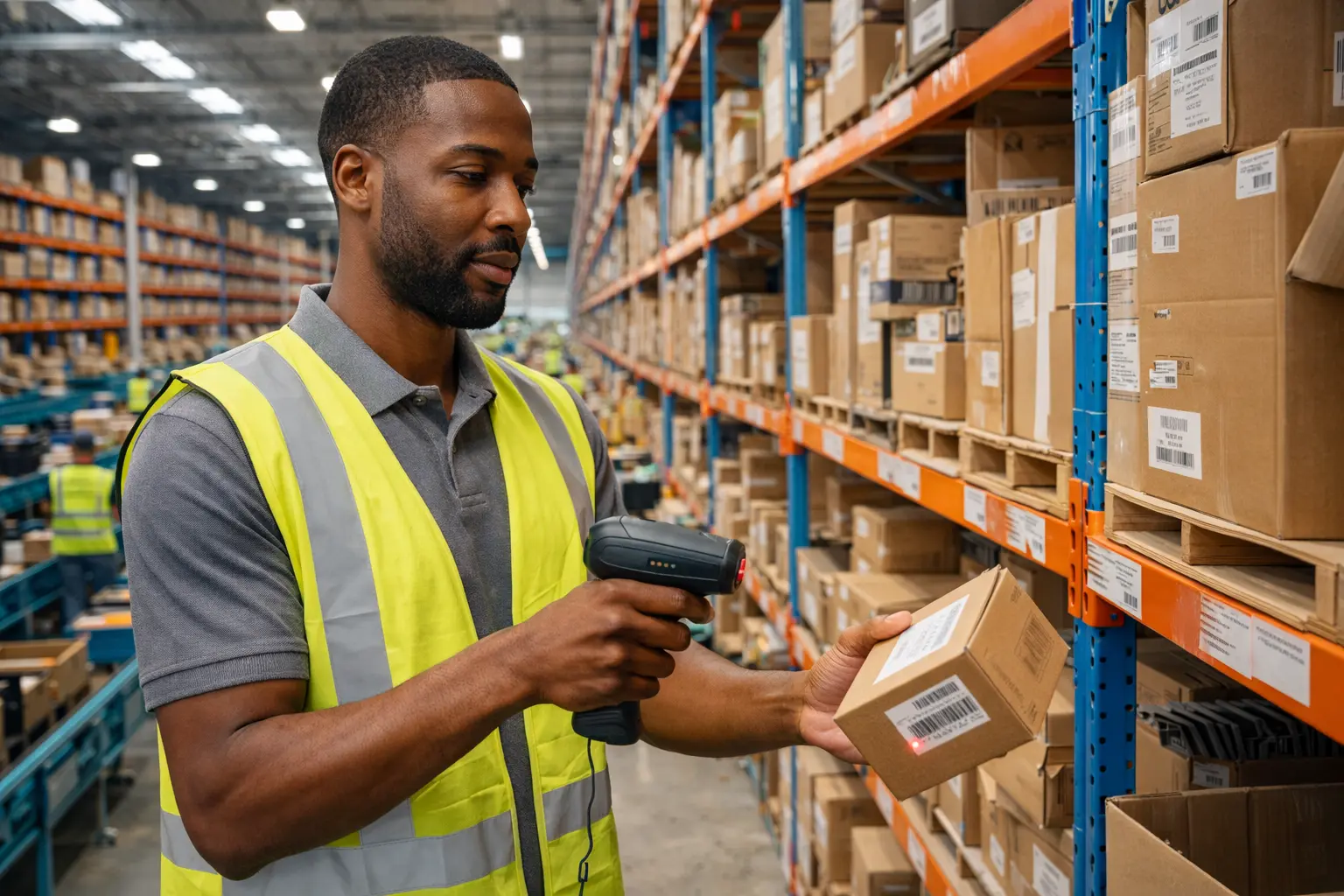
How Fulfillmen's Fulfillment Centers Work for eCommerce Sellers
A fulfillment center is only as good as its operational depth, technology integration, and carrier relationships. Fulfillmen’s fulfillment centers in China, Hong Kong, India, and the USA give eCommerce sellers access to the full geographic network their order base requires without building it themselves.
End-to-End Fulfillment from China to Your Customer
Fulfillmen’s fulfillment services cover every stage of the ecommerce fulfillment center process. Your inventory arrives from your Chinese supplier, gets received and quality-checked at our China facility, and sits in storage under real time WMS tracking. When orders come in from your Shopify or WooCommerce store, they sync automatically, get picked and packed same day for in-stock items, and ship via our carrier network with tracking pushed back to your store automatically. No manual steps between your customer’s order and their delivery confirmation.
90 Days Free Storage Reshape Your Inventory Economics
Fulfillmen’s fulfillment center model includes 90 days of free storage across all facilities. Most fulfillment centers start charging from day one which pressures sellers into holding lean inventory that risks stockouts. Our 90 day free window means you can pre build inventory before Chinese New Year, absorb new product launches without storage cost pressure, and hold adequate safety stock without the financial penalty that typically comes with deeper inventory buffers.
FAQs: What Is a Fulfillment Center
What is a fulfillment center in simple terms?
A fulfillment center is a third party facility that handles everything that happens after a customer places an order storing your inventory, picking the right items when orders come in, packing them securely, shipping via carrier networks, and processing returns. It connects directly to your ecommerce store via API, so orders flow in automatically and tracking numbers flow back automatically. You focus on selling. The fulfillment center handles the physical delivery operation.
What is the difference between a fulfillment center and a warehouse?
A warehouse stores goods in bulk for extended periods and earns money from storage time. A fulfillment center processes individual customer orders rapidly and earns money from orders shipped. The entire design, technology, staffing model, and pricing structure of each facility reflects this fundamental difference in purpose. Fulfillment centers use real time WMS systems integrated with ecommerce platforms, multiple packing stations, and daily carrier pickups. Most warehouses don’t have any of this infrastructure because they don’t need it for long term storage.
What does a 3PL fulfillment center do differently from a standard fulfilment provider?
A 3PL (third-party logistics) fulfillment center offers the complete range of logistics services under one roof warehousing, inventory management, order processing, pick and pack, multi carrier shipping, and returns management. Beyond operations, professional 3PL fulfillment centers bring negotiated carrier rates (typically 35–45% below retail), established customs broker relationships for international shipping, WMS technology that integrates with your store, and the operational expertise that comes from processing thousands of orders daily across multiple clients.
How much does a fulfillment center cost per order?
Typical 3PL fulfillment center costs include: receiving ($0.25–$0.50 per unit inbound), storage ($8–$15 per pallet monthly or $0.50–$2.00 per cubic foot), pick and pack ($2–$5 per order), and shipping at negotiated carrier rates. Total fulfillment cost typically runs 10–20% of order value for most ecommerce categories. At scale, 3PL per order costs drop significantly below what in-house operations achieve because of carrier volume pricing and warehouse automation. Fulfillmen’s pay as you send model with 90 days free storage means your only recurring cost is what you actually ship.
When should I start using a fulfillment center?
The practical transition point is 100–500 consistent monthly orders, though this varies by product. The more useful question is whether fulfillment tasks are consuming time that should go to marketing, product development, and customer acquisition. When self-fulfilment is your business bottleneck rather than a competitive advantage, a fulfillment center removes that constraint. For ecommerce sellers sourcing from China, a China based fulfillment center makes sense even at lower volumes because it positions quality control near manufacturers and enables professional customs handling on every shipment.
What is a China fulfillment center and why would I use one?
A China fulfillment center is a 3PL facility located in mainland China or Hong Kong, positioned near your manufacturers. It receives goods directly from suppliers, performs quality control before international shipping, provides 90-day or longer storage, and ships individual customer orders internationally via established carrier relationships. The key advantage over domestic fulfillment is QC proximity defects caught in China before shipping cost the unit. Defects caught in the US after international shipping cost the unit plus freight, duties, and return logistics. For ecommerce brands sourcing from Chinese manufacturers, this upstream quality control advantage alone typically justifies a China based fulfillment partner.