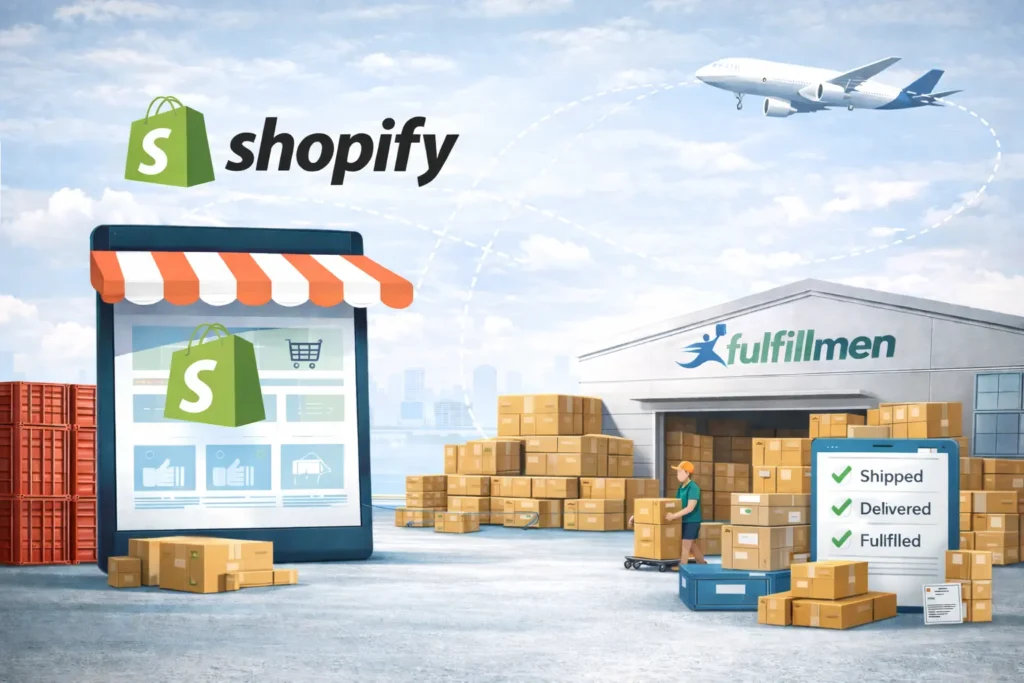
Running an online store means getting products to customers quickly. Shopify fulfillment handles this from storing inventory to shipping packages. It’s one of the most important parts of your business.
You built your store and started getting orders. Great! But how do you get products to customers without going crazy or losing money?
Let’s find the right strategy for your business.
What Order Fulfillment Means
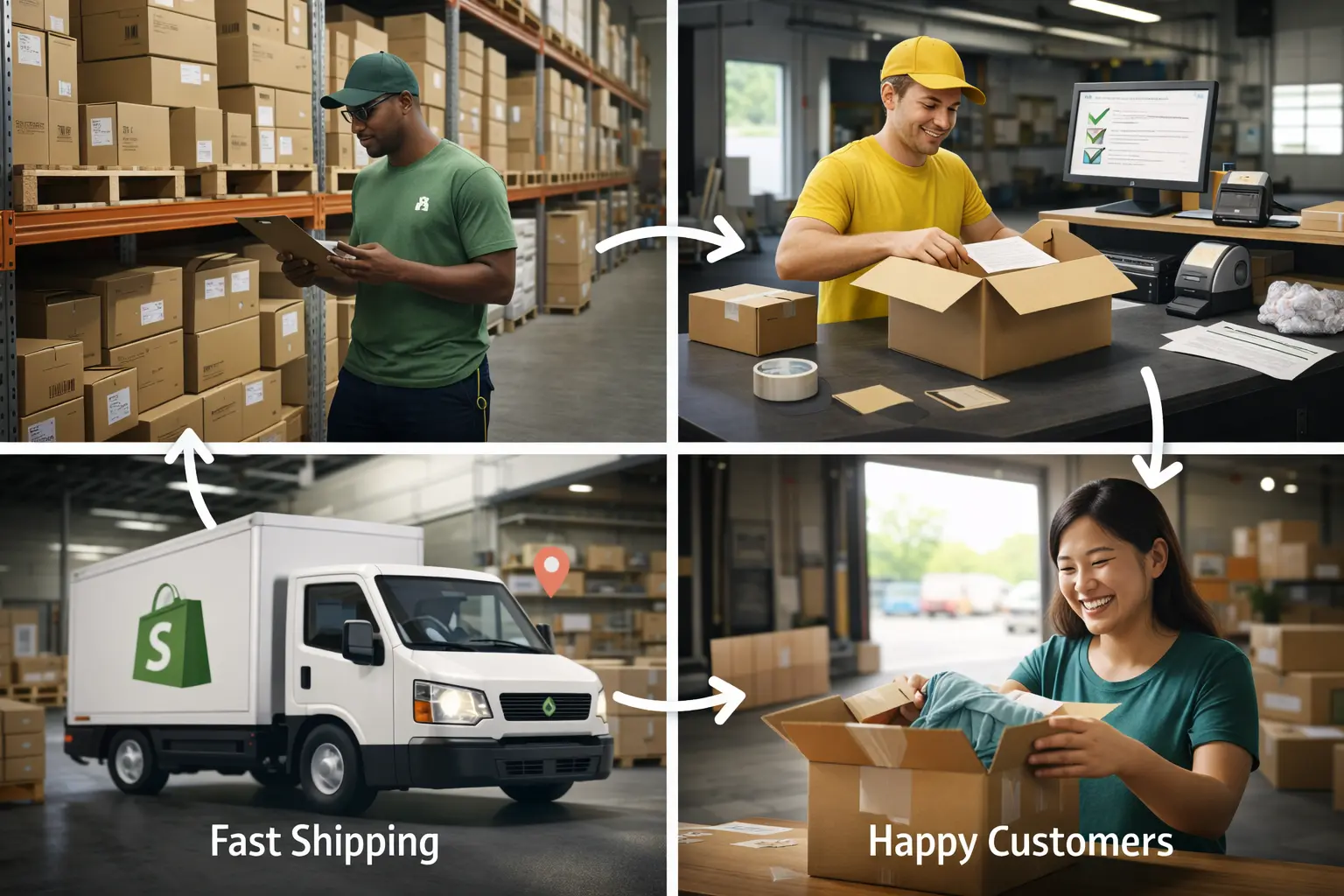
Order fulfillment is how you get products from your warehouse to customers. Sounds simple? It’s not.
After someone buys from your store, you need to find the product, pack it safely, print labels, ship it, update tracking, and handle returns. That’s fulfillment.
For Shopify stores, this connects to your admin dashboard. Orders come in automatically. You manage inventory. Shipping rates calculate by themselves. According to eCommerce research, good order processing makes customers happy more than almost anything else.
So your fulfillment strategy decides if customers buy again or leave bad reviews. Fast, correct shipping? Happy customers. Late orders with wrong items? Bad for business.
Why Fulfillment Strategy Matters
Many store owners focus on finding products and running ads. They forget about fulfillment. Big mistake.
Bad order processing kills good businesses. Customers don’t care about your ads if packages arrive late or broken. Also, fulfillment costs eat your profits do this wrong and you lose money on every sale.
Happy Customers Come Back
Fast shipping makes customers happy. Happy customers leave good reviews and buy again. Growing online stores get 35% of money from their best 5% of customers. You can’t build that with slow shipping.
Save Time Every Day
Good order processing saves hours daily. You focus on growing your business instead of packing boxes. Time saved helps you grow.
Don’t Lose Sales
Running out of popular products loses sales. Having too much slow inventory wastes money. Good inventory tracking stops both problems.
Grow Without Problems
Your store grows from 10 orders daily to 100, then 500. Can your fulfillment handle growth? The right system grows with you.
Three Main Fulfillment Options
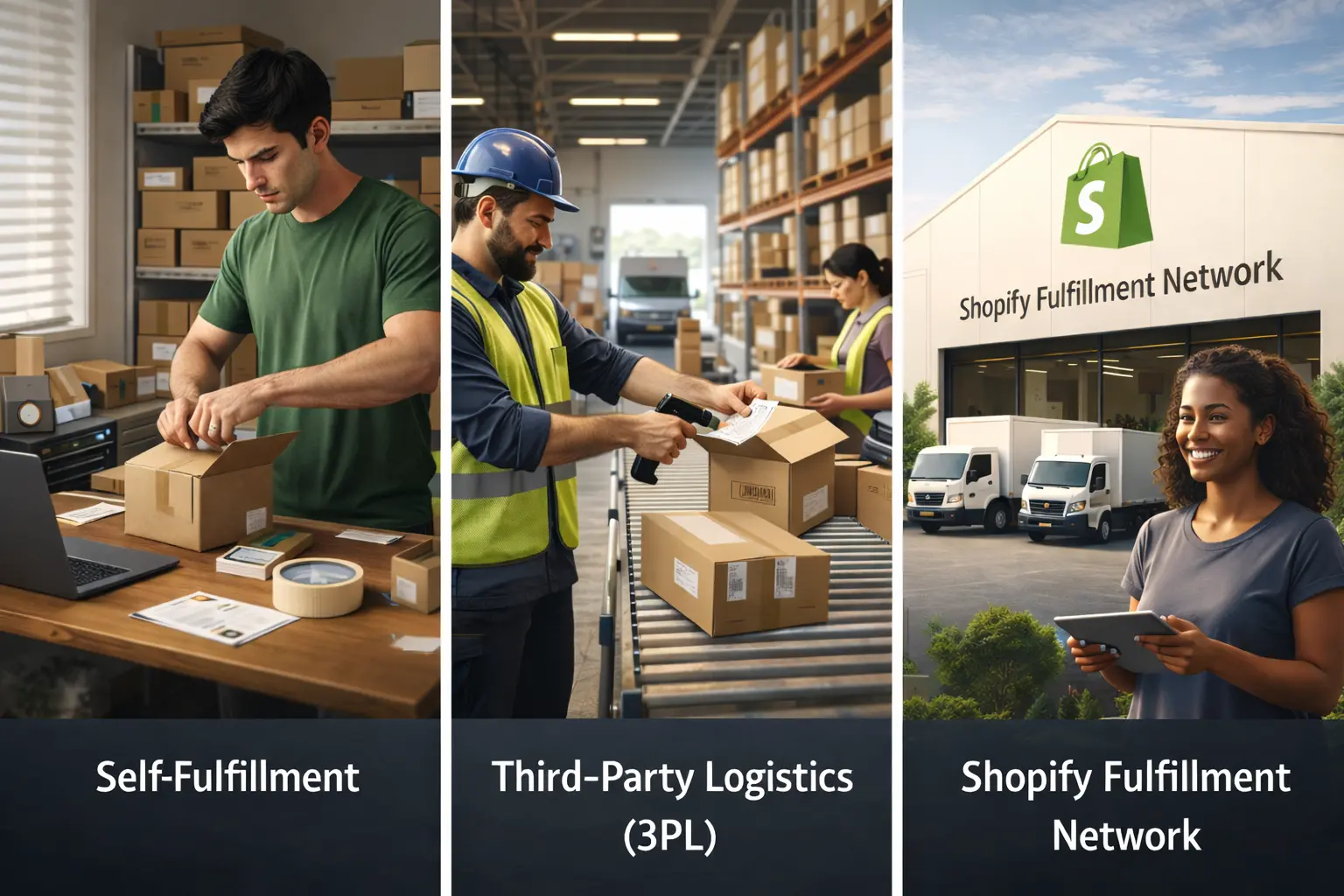
Shopify fulfillment isn’t the same for everyone. You have three choices with different costs.
Self-Fulfillment (Do It Yourself)
You do everything store products, pack orders, print labels, ship packages. Good for new stores or special products.
When This Works:
You get under 50 orders weekly. Products need special care. You’re testing if products sell. Money is tight and you can’t pay 3PL fees.
What It Costs:
Boxes and packing materials cost $1-3 per order. Shopify gives you cheaper shipping save up to 88% compared to post office prices. Your time is the hidden cost most people forget.
The Problem:
Your time doesn’t grow. Packing 500 orders monthly takes all week. Also, shipping from home costs more than shipping from warehouses.
Orders from your eCommerce store flow automatically to our warehouse facilities. We pick products from inventory, pack securely, prep shipments according to destination requirements. Data pushes to your China shipping account. They generate labels and handle delivery from China to worldwide destinations.
You control everything about your China shipping. Manage your own account directly. Top up funds yourself. Get direct access to your shipping dashboard and China logistics data.
Third-Party Logistics (3PL Partners)
You hire companies called fulfillment services to do everything. They store, pack, and ship for you. Most successful stores use this.
How This Works:
Send your products to their warehouse. Orders go to them automatically. They find products, pack boxes, ship to customers, update tracking you don’t touch anything.
What It Costs:
Receiving: $0.25-0.50 per item. Storage: $20-50 per month. Packing: $2-5 per order. Shipping: 20-40% cheaper than regular prices.
Big Benefit:
Good 3PLs put products near your customers. Split products between different locations and offer 2-day shipping everywhere without expensive fast shipping.
Shopify Fulfillment Network (SFN)
Shopify’s own system connects you with good partners like Flexport, ShipBob, ShipMonk, and Shipfusion through one app.
Why Use This:
Everything stays in your Shopify dashboard. No switching between systems. Inventory updates automatically. Orders move smoothly. See everything with your sales.
Costs:
Different for each partner. Most charge like regular 3PLs. Good thing? Shopify checks partners and gets fair prices.
Choosing the Right Partner
Picking a 3PL affects your business for years. Choose wrong and you lose money and customers.
Where Warehouses Are
Where do customers live? If 80% order from USA, you need American warehouses. Selling worldwide? Get global fulfillment providers with warehouses in China, Hong Kong, India, USA, and other countries.
More warehouse locations mean faster, cheaper shipping. Two day ground shipping costs less than next day air, but only works if products sit near customers.
Technology Connection
Your fulfillment company must connect with Shopify no typing orders by hand, no spreadsheets. Orders should go automatically. Inventory should update instantly. Tracking should tell customers right away.
Ask if they connect with Shopify easily and if they work with Amazon, eBay, and Walmart too.
Clear Pricing
Hidden fees kill profits. Ask for all costs:
- Monthly minimum orders
- Receiving fees
- Long storage fees
- Special handling fees
- Returns fees
- Setup fees
Some charge $500-2,000 to start but no monthly minimum. Others free setup but need 1,000 orders monthly. Calculate what you’ll really pay.
Handling Returns
Returns happen all the time. How does your partner handle them? Do they check products, put good ones back, throw away broken ones? What does each return cost?
Good returns handling puts products back for sale quickly. Bad handling keeps products stuck and makes customers wait for refunds.
Setting Up Order Processing
Whether doing it yourself or using partners, good setup prevents problems.
Automatic vs Manual
Manual means you check every order before processing. You look at details, confirm payment, check inventory, then mark it done. Slower but safer for expensive items.
Automatic processes orders right after payment. Customer buys, order goes out, shipping notification sends. Fast and easy but needs trust in your system.
Multiple Warehouse Locations
Shopify lets you use different locations. Maybe you pack some products yourself but use 3PL for others. Or split products between East and West Coast.
Tell Shopify which products go where. Set rules for which location ships based on customer address. This cuts costs and delivery time.
Managing Inventory
Inventory management makes or breaks online stores. Sell products you don’t have? Angry customers. Too much slow inventory? Money stuck.
Shopify tracks inventory automatically. When using fulfillment partners, their system updates Shopify constantly.
Selling on Multiple Sites
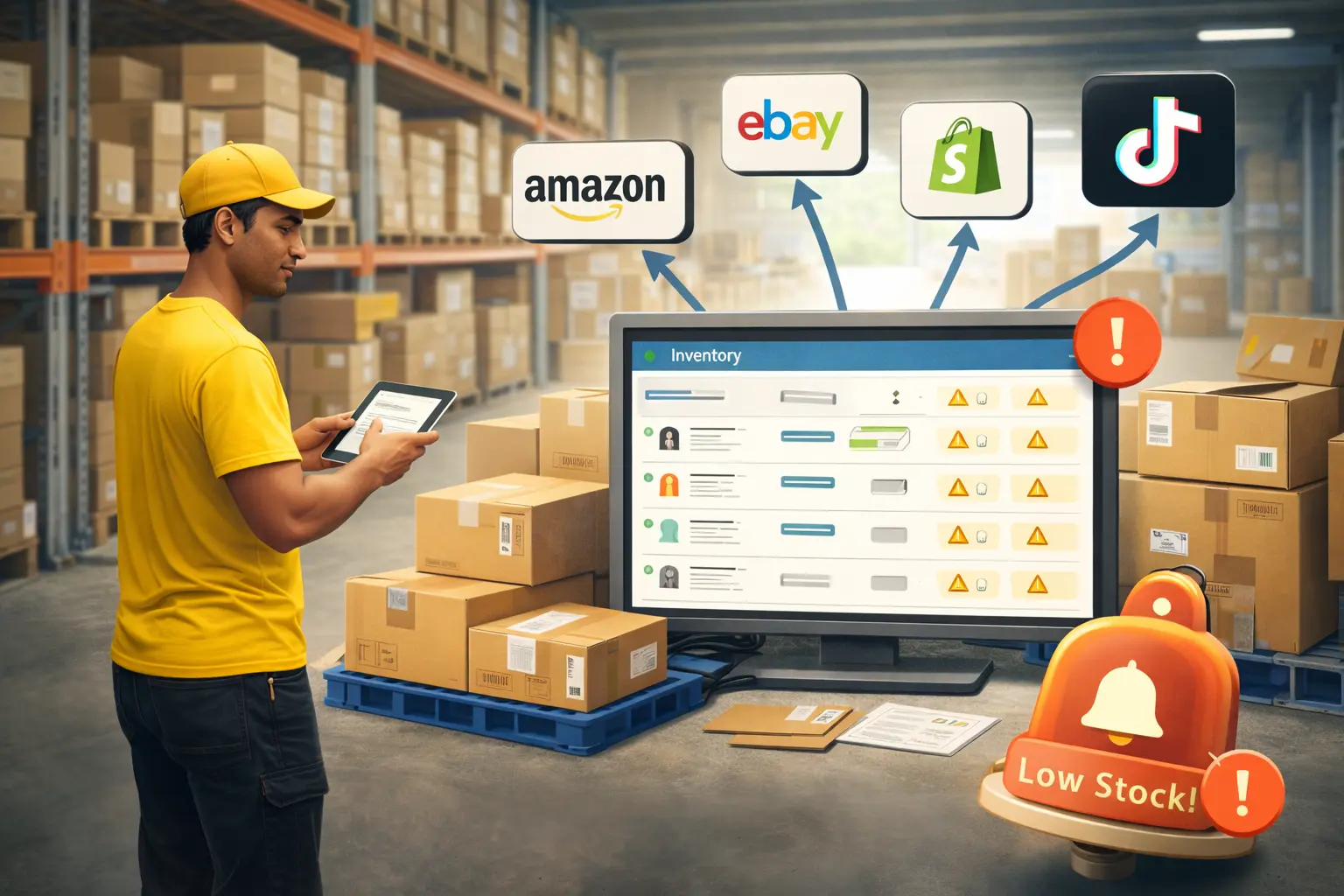
Selling on Shopify, Amazon, eBay, and TikTok together? Inventory must update everywhere. When one sells on Amazon, it disappears from Shopify and eBay instantly.
Most 3PL providers sync inventory across all sites. Orders from anywhere use the same products.
Low Stock Warnings
Set up alerts when inventory gets low. Running out of popular items loses sales. Alerts let you reorder before selling out.
Understanding Costs
Fulfillment costs change based on products, order numbers, and who you pick.
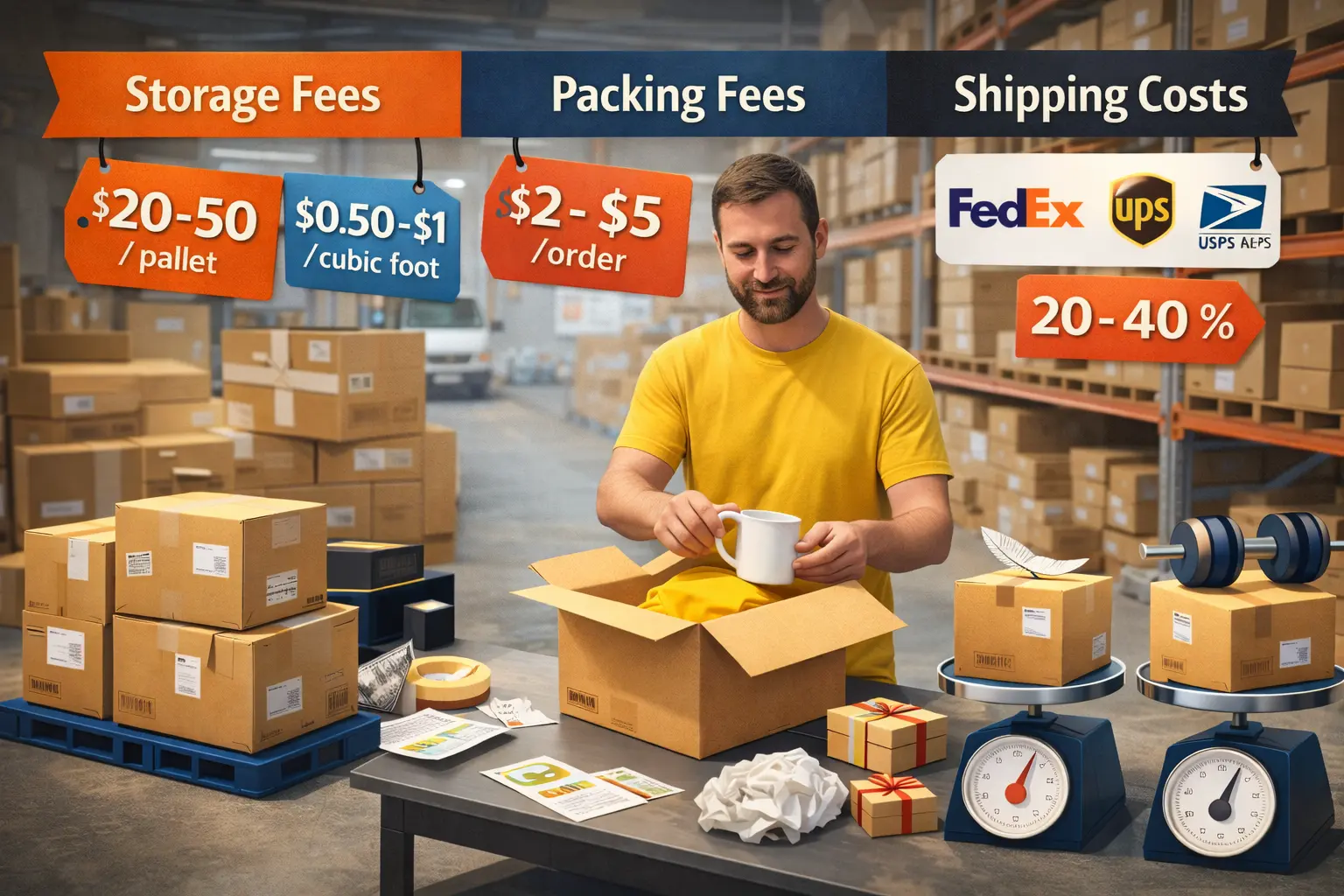
Storage Fees
3PLs charge for warehouse space $20-50 per pallet monthly or $0.50-1.00 per cubic foot. Small, heavy products cost less than big, light ones.
Storing over 180 days often costs extra. Don’t use 3PL warehouses for cheap storage that’s expensive.
Packing Fees
Packing each order costs $2-5 based on how hard it is. One item costs less. Orders with 5-10 items cost more.
Special packaging, gift wrapping, or adding flyers costs extra. Simple bags cost less than fancy boxes.
Shipping Costs
Carriers charge based on weight, size, distance, and speed. 3PLs get 20-40% cheaper prices through bulk deals.
Big, light packages cost more than small, heavy ones. So good packaging cuts shipping costs.
Common Mistakes
Using 3PL Too Soon
Under 100 monthly orders? Do it yourself it’s cheaper. 3PL fees eat profits at low numbers.
Forgetting Returns Costs
Returns cost money shipping back, checking, restocking. Expect 5-10% returns.
Bad Packaging
Weak packaging breaks products. Customers get refunds. You lose product and shipping both ways.
No Backup Plan
What if your fulfillment partner has a fire or storm? Having no backup is risky.
Picking Your Path
Shopify fulfillment is a big part of your online business. Do it right and customers get orders fast and correctly. Your business grows smoothly.
Think about your situation. How many orders monthly? What’s your average order value? Where do customers live?
New stores under 100 monthly orders usually do fulfillment themselves. Growing businesses with 200-500 orders monthly benefit from 3PL partners. International sellers need smart fulfillment from day one.
Frequently Asked Questions
What is Shopify fulfillment?
Shopify fulfillment means storing products, processing orders, packing items, and shipping them to customers who buy from your Shopify store. This includes managing inventory, processing orders, packing, making shipping labels, working with carriers, updating tracking, and handling returns through doing it yourself or using third party companies.
How much does Shopify fulfillment cost?
Costs change based on order numbers and method. Doing it yourself costs $2-5 per order including boxes and Shopify shipping discounts. Third party companies typically charge $20-50 monthly storage plus $2-5 packing fees plus shipping costs, totaling $8-15 per order for normal products.
Should I do fulfillment myself or use a 3PL partner?
Do it yourself for stores with under 50-100 orders weekly, products needing special care, or tight budgets. Third party fulfillment works better around 200-300 monthly orders when your time costs more than paying someone else and you get cheaper commercial shipping rates.
How do I set up automatic order fulfillment?
Go to Settings > General in Shopify admin, then pick “Automatically fulfill the order’s line items” under Order Processing. You can turn on customer shipping emails and decide if risky orders get fulfilled automatically. This works best with regular inventory and automatic payment turned on.
Can I use multiple fulfillment locations?
Yes. Shopify lets you use different inventory places. You can pack some products yourself and use 3PL for others, or split products across warehouses. Tell which products go where, then set rules for which location ships based on customer address.
Does Fulfillmen work with Shopify stores?
Yes. Fulfillmen runs global fulfillment with warehouses in China, Hong Kong, India, and USA, connecting directly with Shopify stores worldwide. This international network lets you put products near customers, cut shipping times and costs, while managing everything through systems linked with your Shopify admin.