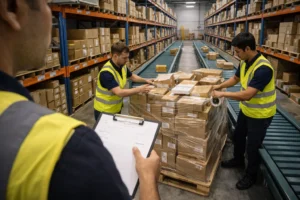

Most eCommerce sellers pick a shipping term, set it up once, and forget about it. Then they wonder why international customers are complaining, abandoning carts, or refusing deliveries. Nine times out of ten, the culprit is the DDP vs DDU difference and the wrong choice on one setting is doing serious damage to conversions, customer satisfaction, and repeat business.
Here’s the full breakdown. What DDP vs DDU difference actually means, who pays what, what DDU really costs your buyers on the other end, and which one you should be using for your specific business right now.

What Does DDP Mean in Shipping?
The Seller Takes Everything On
DDP stands for Delivered Duty Paid. Under DDP shipping terms, the seller or their logistics partner handles every single cost and responsibility involved in getting goods to the buyer’s door. That means international freight, export clearance in the origin country, import customs clearance in the destination country, all import duties, all taxes, and final mile delivery. The buyer pays the agreed price at checkout, and that’s it. No additional bills. No customs contact. No surprises.
Think of DDP as the “white glove” shipping term. The buyer’s job is simply to receive the package.
What's Included Under DDP Incoterms
Under DDP shipping terms, the seller is responsible for:
- Export customs clearance and documentation
- International freight by air, sea, or road
- Import customs clearance in the destination country
- All import duties and taxes
- Delivery to the buyer’s specified address
Risk transfers to the buyer only after the goods are physically delivered. Until that moment, it’s entirely the seller’s problem.
What Does DDU Mean in Shipping?
DDU Is Officially Renamed Here's What That Means
Here’s something most guides gloss over: DDU (Delivered Duty Unpaid) is no longer an official Incoterm. The International Chamber of Commerce replaced DDU with DAP Delivered at Place in Incoterms 2010. So if you’ve been searching “DDU shipping” and getting confused by references to “DAP,” that’s why. They mean the same thing. DDU is the old name. DAP is the current official term. Most carriers and eCommerce platforms still use DDU as shorthand because sellers recognise it, but technically you’re setting up DAP terms.
What DDU Actually Means for Your Buyer
Under DDU shipping, the seller ships the goods to the destination country and that’s where their responsibility ends at the border, essentially. Once the goods arrive, the buyer must deal with import customs clearance, pay all import duties and taxes, and arrange last mile delivery from the customs facility to their address.
In plain terms: your customer gets a notification that their package is held at customs and they need to pay before they can receive it. For most online shoppers, this is a genuinely terrible experience especially if they had no idea this was coming.
DDP vs DDU Difference The Full Side by Side
DDP (Delivered Duty Paid) | DDU/DAP (Delivered Duty Unpaid) | |
Who pays import duties | Seller | Buyer |
Who handles customs clearance | Seller / logistics partner | Buyer |
Customs documentation | Seller’s responsibility | Buyer’s responsibility |
Risk transfer point | Final delivery to buyer | Arrival at destination country |
Customer experience | Seamless, no surprises | Potential customs holds and fees |
Seller cost | Higher upfront | Lower upfront |
Cart abandonment risk | Low | High (25–40% from duty surprises) |
Best for | B2C eCommerce, D2C brands | B2B, experienced importers, low-value goods |
The Hidden Cost of DDU That Nobody Talks About
Your Buyer Pays More Than You Would Have
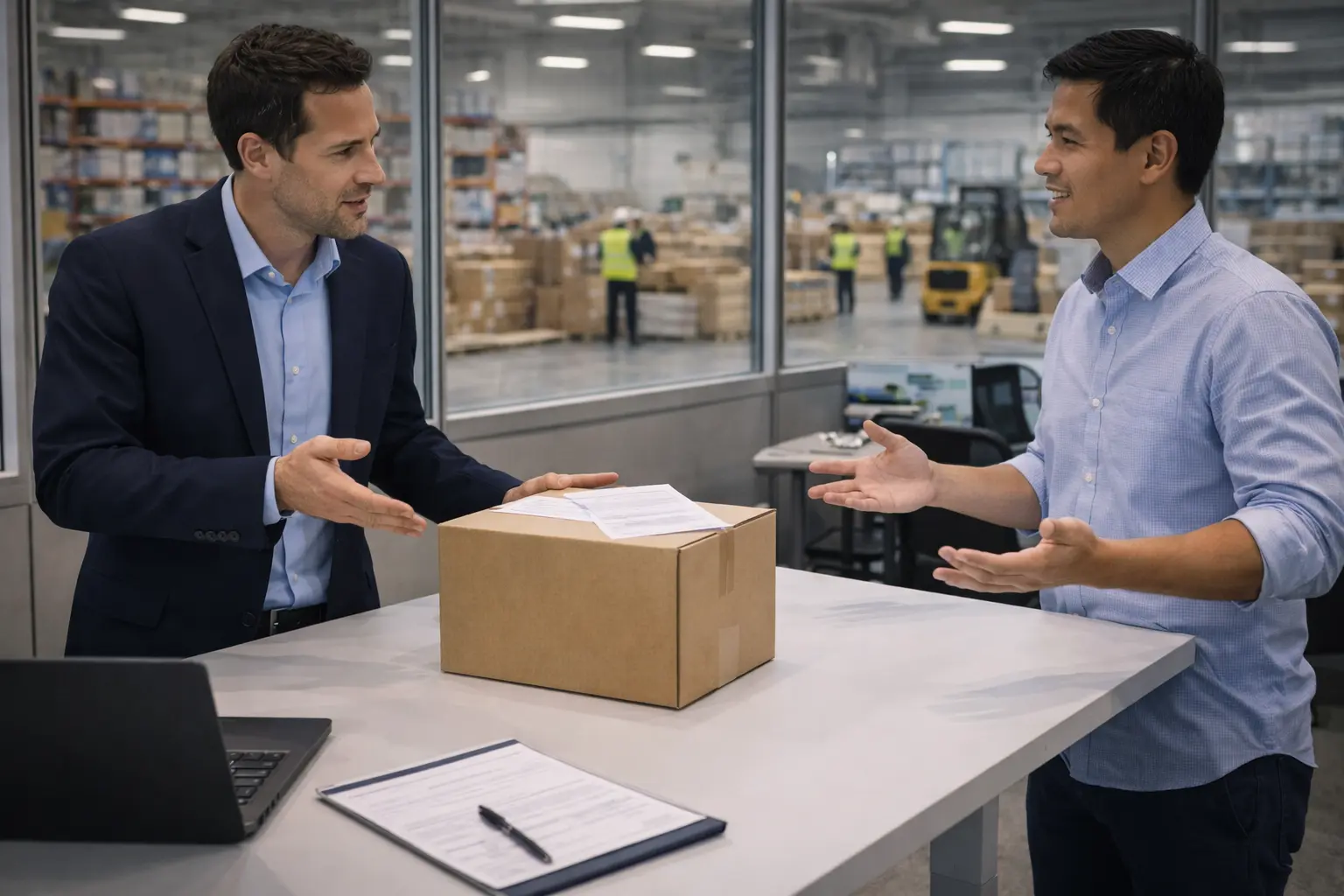
Here’s one of the biggest misunderstandings in the DDP vs DDU debate: DDU feels cheaper for the seller, but it’s often more expensive for the buyer. Not slightly more expensive significantly more.
When a DDU shipment clears customs, the buyer gets handed to an independent customs broker. That broker charges their own brokerage fees on top of the actual duties and taxes. Those brokerage fees vary wildly, can run $50–$150 per shipment, and have nothing to do with the actual import duty amount. So your customer ends up paying the duty, plus a broker fee they weren’t expecting, often on top of a delivery that’s been delayed by several days.
You, as the seller using DDP, negotiate customs clearance as part of your logistics arrangement at a much lower effective rate than your individual customer can access. So DDP can actually be cheaper for the buyer too, even though you’re absorbing the cost. That’s the irony of delivered duty unpaid: it saves the seller money but costs the buyer more.
The Cart Abandonment Numbers Are Real
Studies consistently show that 25–40% of buyers abandon orders when they encounter unexpected fees at or after checkout. A DDU delivery that surprises a customer with a customs bill is one of the most reliable ways to guarantee a negative review, a refused delivery, and a return shipment back to you at your cost.
And here’s the part that really stings: return shipping on a refused international DDU delivery is almost always the seller’s bill. So you saved on duties upfront, then paid for the return freight anyway, plus lost the sale, plus got the bad review. Not a great trade.
According to Inbound Logistics, smooth customs clearance is one of the biggest drivers of positive international delivery experiences and the seller’s choice of Incoterms directly determines whether that experience is smooth or a disaster.
When DDU Still Makes Sense in 2026
B2B Transactions with Experienced Buyers
DDU or DAP as it’s now officially called isn’t always the wrong call. For B2B transactions where the buyer is a business with their own customs broker and established import processes, DDU makes sense. Businesses can reclaim VAT, negotiate their own clearance rates, and prefer to control the import process themselves. In B2B wholesale, DDU is often expected and works cleanly.
Testing New Markets at Low Risk
If you’re entering a new international market and haven’t yet committed to DDP infrastructure for that country, DDU lets you test volume before investing in a full DDP setup. Just be very transparent about it at checkout display clear messaging that duties and taxes are the buyer’s responsibility, include estimated cost ranges, and link to your country’s customs authority. Manage expectations before the package ships.
Low Value Goods Below De Minimis Thresholds
For goods that fall below a country’s de minimis threshold the minimum value below which no duties apply DDU effectively becomes DDP for the buyer, because no duties are collected anyway. For example, many European countries have a €150 threshold. Orders under that value clear customs without duty charges, making DDU perfectly acceptable.
However and this is critical in 2026 the US $800 de minimis exemption was eliminated for all goods from China in May 2025. Every shipment from China to the US now requires formal customs entry regardless of value. If your DDU strategy was built on US de minimis, that model no longer works.

DDP vs DDU for Shopify and eCommerce Platforms
How Shopify Handles DDP and DDU
Shopify’s Managed Markets feature lets you collect duties and taxes at checkout which is the DDP model. When set up correctly, the buyer sees the total landed cost upfront, duties included, and there are no surprises on delivery. This is what reduces cart abandonment and builds international customer trust.
Without DDP enabled, Shopify defaults to DDU behavior the buyer pays shipping at checkout, and duties are collected separately on delivery by the carrier or customs authority. Most international shoppers don’t understand this distinction, and the shock of a customs bill they weren’t expecting is a conversion killer.
For sellers on Shopify, WooCommerce, or any eCommerce platform serving international customers, the simplest rule of thumb is: use DDP for your top markets, test DDU only where economics clearly justify it, and always communicate clearly at checkout regardless of which you choose.
The Hybrid Approach Smart Brands Use
Many scaling D2C brands use DDP for high volume markets where customer experience matters most US, UK, Australia, major EU markets and DDU for emerging markets where they’re still testing demand. That way you’re not absorbing duty costs in markets that haven’t proven profitable yet, while still protecting conversion rates in your core markets.
According to the CSCMP supply chain management glossary, Incoterms like DDP and DAP are foundational to international trade contracts getting them right is a commercial decision as much as a logistics one.
How Fulfillmen Makes DDP Simple for eCommerce Sellers
Most sellers avoid DDP because they don’t have the infrastructure to handle customs clearance, duty payments, and last mile delivery in the destination country. That’s a legitimate concern if you’re managing it yourself. But you don’t have to manage it yourself.
End to End DDP Handling from China to the World
Fulfillmen’s logistics services include full DDP shipping from China to the US and beyond. Your goods are picked up from your Chinese supplier, export clearance is handled, international freight is arranged, US import duties are paid, and your goods are delivered to your US address or Amazon FBA warehouse all under one arrangement. You don’t need a customs broker. You don’t need to understand HS code classification. You don’t need to negotiate carrier contracts. Fulfillmen handles the entire DDP process so you can offer your customers the seamless, surprise-free delivery experience that DDP delivers.
Quality Control Before Duties Are Even a Question
One thing that compounds DDU problems: defective goods still go through customs, duties still get paid, and then you deal with returns on top of everything. Fulfillmen’s QC process happens before goods leave China near the manufacturers so quality issues get caught before your shipment enters the DDP or DDU process at all. Fewer defects mean fewer returns, fewer disputes, and a cleaner customs experience regardless of which Incoterm you’re using.
No Minimums DDP Works at Any Volume
DDP arrangements typically require consistent volume to make the economics work. Fulfillmen’s pay as you send model with no monthly minimums and 90 days free storage means DDP shipping works for you whether you’re shipping 20 orders a month or 20,000. You get the same transparent, duty included delivery experience your customers expect without the volume commitments that usually come with it. Get a free quote and see how Fulfillmen handles DDP shipping end to end for your business.
FAQs: DDP vs DDU Difference
What's the actual difference between DDP and DDU shipping?
Real simple. With DDP, the seller pays all duties and handles customs the buyer just receives the package with no extra bills. With DDU, the seller ships to the destination country and stops there. The buyer deals with customs, pays the import duties, and arranges final delivery from the customs facility. DDP is the buyer friendly option. DDU is the seller friendly option at least upfront. In practice, DDU often creates more problems than it solves.
Is DDU or DDP better for eCommerce sellers?
DDP, almost always. Here’s the thing with DDU your buyer gets hit with an unexpected customs bill after they’ve already paid for their order. That kills trust, creates complaints, and leads to refused deliveries that come back to you at your cost. Studies show 25–40% of buyers abandon purchases when they encounter surprise duty charges. DDP eliminates that entirely. The only time DDU makes sense in eCommerce is for B2B buyers, low value goods under de minimis thresholds, or when you’re testing a brand new market before committing to DDP infrastructure.
What is DDU now called officially?
DDU was officially replaced by DAP Delivered at Place in the International Chamber of Commerce Incoterms 2010 revision. They mean the same thing: the seller delivers to a named destination, and the buyer handles import duties and customs from there. Most carriers and platforms still use “DDU” because sellers recognise it, but if you see DAP in documentation, that’s the current official name for what used to be called DDU.
Does DDP cost more than DDU for the seller?
Yes, upfront. With DDP, you’re absorbing the customs clearance costs and import duties as part of your logistics arrangement. But here’s what most sellers miss: you can negotiate these costs as part of your 3PL or freight forwarder contract, often at significantly lower rates than your individual customer would pay going through a random customs broker. Many sellers build the duty cost into product pricing and still come out competitive. And you avoid the hidden costs of refused deliveries, return freight, and lost repeat customers that DDU causes.
What happens if a customer refuses a DDU shipment?
That’s your problem, unfortunately. When a buyer refuses a DDU shipment usually because they didn’t expect the customs bill the package goes back through customs in reverse, gets returned to the origin country, and the return freight cost falls on the seller. You lose the sale, pay the return shipping, and often eat a negative review too. It’s one of the most painful and avoidable costs in international eCommerce, and it’s entirely preventable by switching to DDP.
Can I use DDP for some countries and DDU for others?
Absolutely and that’s what most smart international brands do. Use DDP for your highest volume, most important markets where customer experience directly affects retention and repeat purchase rates. Use DDU selectively for B2B customers, emerging markets you’re testing, or countries where your product values reliably fall below local de minimis thresholds. The hybrid approach lets you protect customer experience where it matters most while managing costs in markets that haven’t proved their value yet.