Traditional shipping forces you to order three months of inventory, wait weeks for ocean freight, then pay expensive warehouse rent while products sit unsold. Smart businesses now skip this entirely. A china fulfillment center stores your products near manufacturing sources and ships directly to customers in 5-10 days while slashing your costs by 20-50%.
This guide shows you exactly how China based fulfillment works, who benefits most, and how to pick the right provider without making costly mistakes.
Understanding China Fulfillment Centers
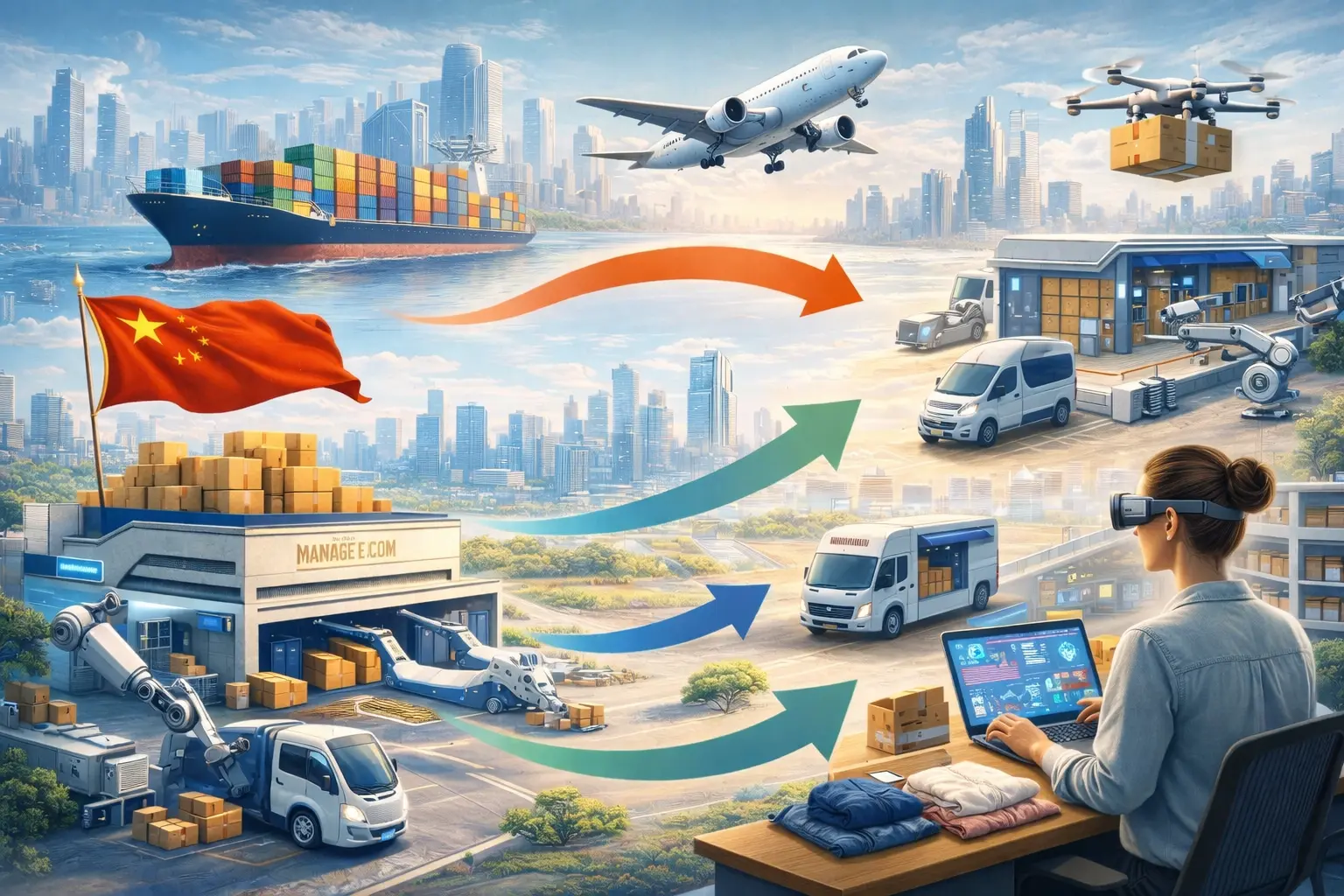
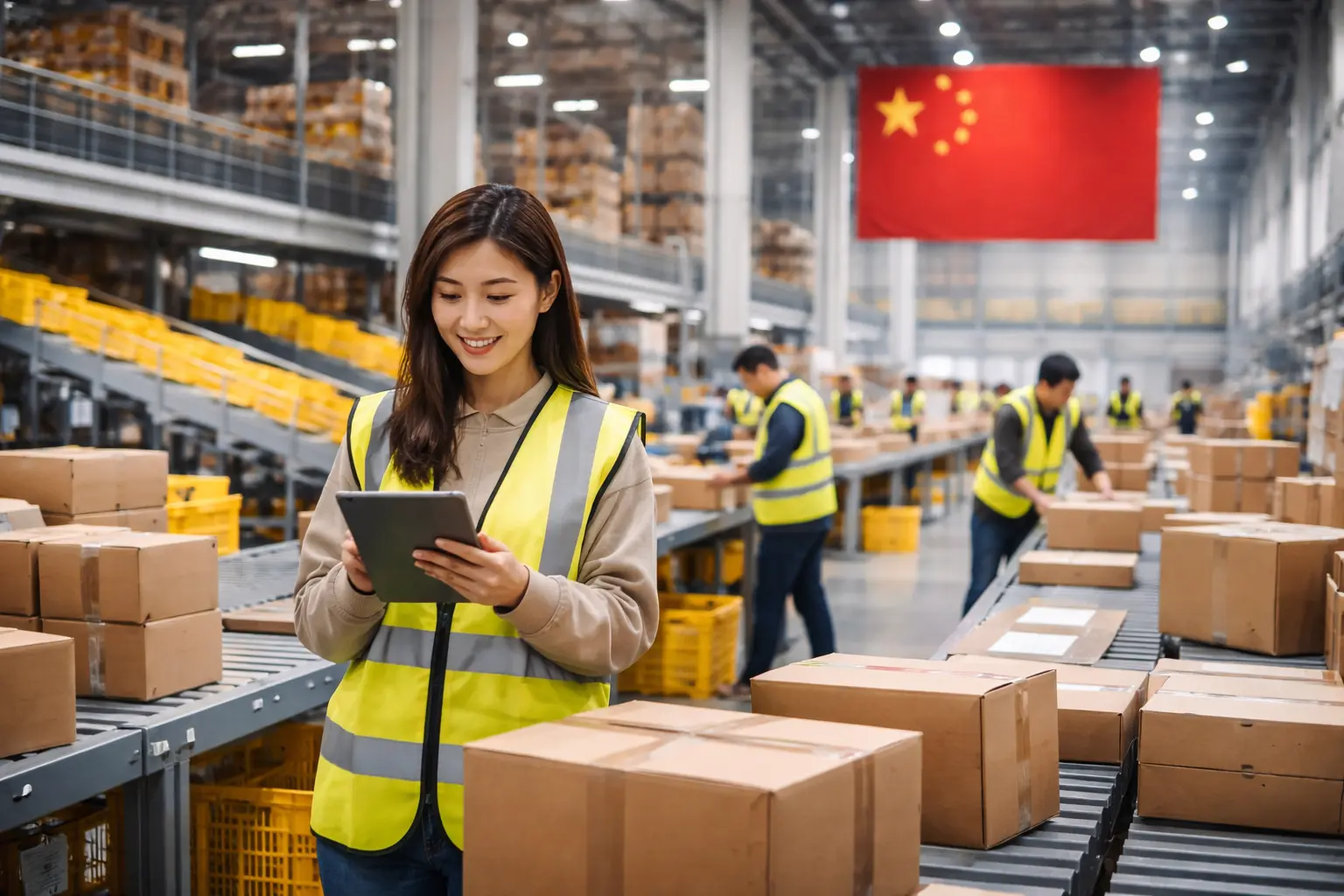
A china fulfillment center operates as your warehouse in China, handling storage, order processing, and worldwide shipping. Picture having your operations right next door to the factories making your products.
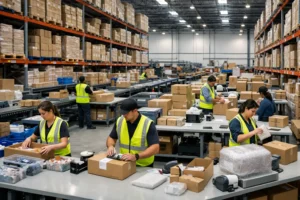
Your customers place orders through your online store. The fulfillment center receives these orders automatically, picks the products from shelves, packs them with your branding, and ships everything within 24-48 hours. You never touch the inventory or print a single shipping label.
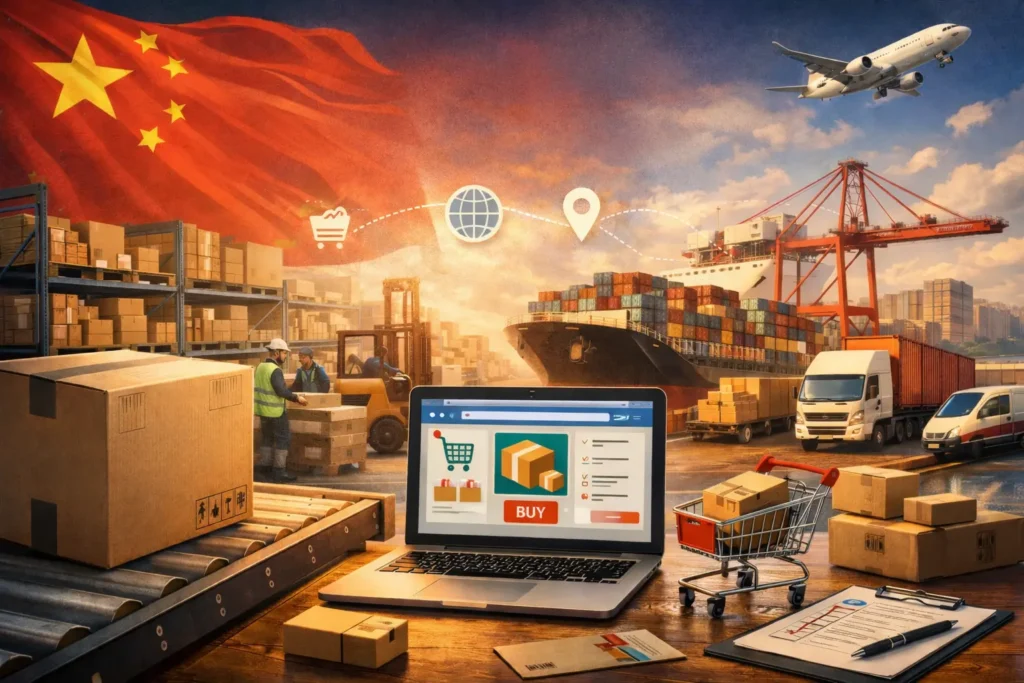
The game changing difference? Products ship straight from China to your customers instead of making a pointless stop in your home country first. This eliminates an entire shipping leg, cutting both time and money.
Most operations cluster in Shenzhen, China’s manufacturing capital. This location puts warehouses within days of nearly any Chinese factory. When you need to restock, new inventory arrives in 2-3 days instead of 2-3 months.
According to Shopify’s logistics research, businesses using integrated fulfillment from manufacturing regions process orders 40-60% faster than traditional methods while maintaining better inventory control.
Why Businesses Switch to China Fulfillment
Real Cost Savings You Can Measure
Numbers matter more than marketing claims. Businesses using china fulfillment services typically save 20-50% compared to domestic warehousing. Chinese storage costs run $0.10-$0.50 per cubic foot monthly versus $1-3 in Western markets.
Pick and pack fees average $1-3 per order. Shipping direct from China costs less than bulk ocean freight plus domestic delivery. The math works especially well for businesses processing 500+ monthly orders.
One Shopify seller shared real numbers: their monthly fulfillment costs dropped from $8,000 to $4,500 after switching to China based operations. That extra $3,500 monthly went straight into marketing and new product development.
Speed That Changes Everything
Traditional logistics means guessing demand three months ahead and locking cash in slow moving inventory. China fulfillment flips this completely.
Products move from factory to fulfillment center in 2-3 days. When items sell, you restock weekly instead of quarterly. Your cash stays available instead of sitting in boxes gathering dust.
Testing new products becomes possible. Order 50 units and see if they sell. Winners get reordered quickly. Losers get discontinued without $10,000 in dead stock eating your profits. Fulfillmen’s warehouse operations demonstrate how factory proximity enables this agile approach, with some clients restocking specific products twice weekly based on real sales data.
Inventory Risk Drops Dramatically
Bulk ordering gambles thousands on products that might flop. China fulfillment lets you test markets with smaller quantities and actual customer feedback.
Seasonal businesses win big here. Summer products arrive in spring. Fall items ship in summer. You order what sells when it sells, not what you hope might sell three months later.
Fashion sellers especially benefit. Trends change fast. Being stuck with 1,000 units of last season’s style hurts. Ordering 200 units and restocking winners preserves both cash and sanity.
Cash Flow Improves Immediately
Instead of paying $20,000 for three months of inventory upfront, you spend $7,000 for four weeks of stock. The $13,000 difference stays in your bank account for emergencies, marketing, or simply breathing room.
Research from Supply Chain Dive identifies improved cash flow as the top reason businesses adopt direct China fulfillment, ranking even higher than cost savings. Business owners sleep better knowing cash isn’t trapped in slow inventory.
Global Reach Without Complexity
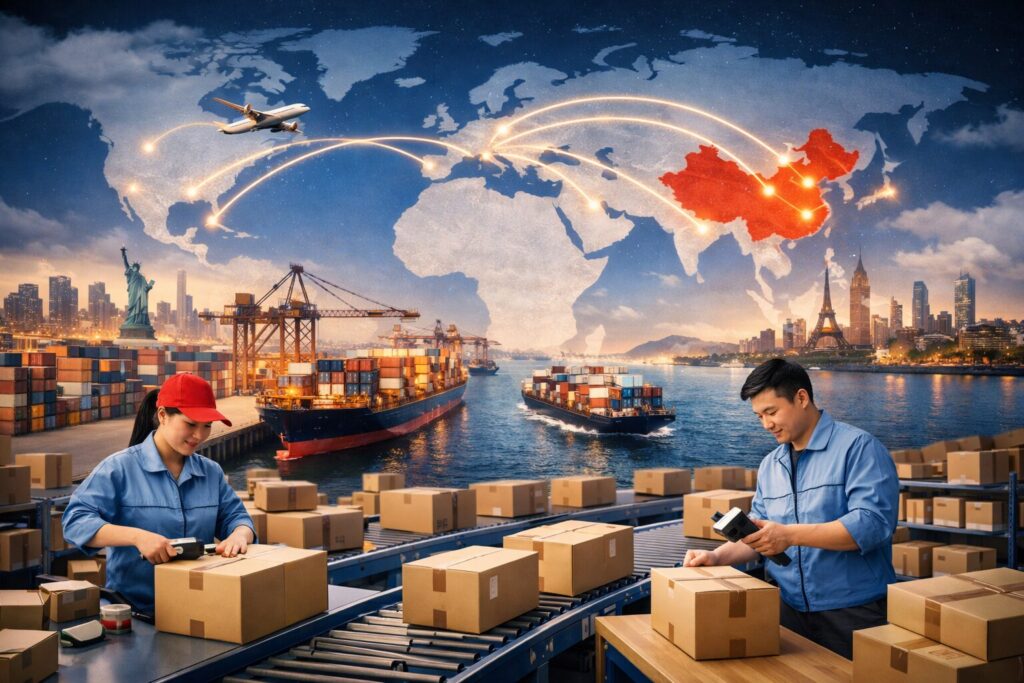
China’s shipping infrastructure connects everywhere. Fulfillment center operations partner with 20-50 carriers, automatically selecting the fastest and cheapest option for each destination.
Standard delivery reaches most countries in 5-10 days. Express options hit major cities in 3-5 days when customers pay for speed. Your single fulfillment center serves customers in the US, Europe, Australia, and Asia simultaneously without operating multiple warehouses.
How the Process Actually Works
The system runs simpler than you might expect.
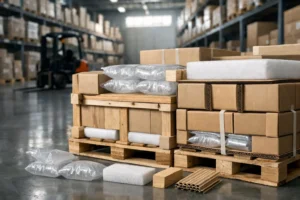
First, ship your inventory from suppliers to the fulfillment center. Most centers provide free receiving and quality inspection. They count everything, check for damage, and add products to your online inventory dashboard.
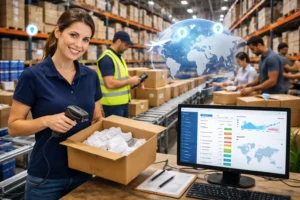
Second, the warehouse stores your products with real time tracking. You see exactly what’s in stock, what’s low, and what needs reordering through a web dashboard or mobile app.
Third, customer orders sync automatically from your Shopify, WooCommerce, or Amazon store. The fulfillment center receives order details within minutes.
Fourth, workers pick items from shelves, pack them (adding your branded inserts and packaging if desired), print shipping labels, and hand packages to carriers. Processing completes within 24-48 hours for standard service.
Fifth, customers receive automatic tracking updates as packages move through the shipping network. Most modern systems send notifications when orders ship, clear customs, and arrive for delivery.
The entire operation runs automatically once set up. You focus on marketing and sales while fulfillment happens invisibly in the background.
Honest Challenges You Should Know
China fulfillment solves many problems but creates some considerations worth understanding.
Processing Speed Varies
Most centers promise 24-48 hour processing from order to shipment. During November and December, this often stretches to 3-4 days as volume spikes. Chinese New Year adds another complication most operations shut down 2-3 weeks, though some maintain minimal staffing.
Plan buffer stock before peak seasons. Modern fulfillment operations increasingly offer guaranteed processing times even during peaks, but verify these commitments in writing before busy seasons hit.
Small Orders Face Margin Pressure
Single item orders under $20 struggle with international shipping costs. The model works best when average order values exceed $30-35 after factoring in shipping expenses.
Bundling strategies help. Offering sets or requiring minimum purchases makes the economics work better for lower priced items.
Time Zones Create Delays
Questions emailed at 5 PM your time get answered the next morning due to 12 hour time differences. Urgent issues during your business hours might wait half a day for responses.
Better centers provide English speaking support and overlap hours. Some offer evening support in China that matches morning hours in Western countries.
Returns Need Planning
Customers returning items from the US to China face expensive international shipping. Most businesses solve this by maintaining small return addresses domestically or partnering with local return processors.
Factor return costs into pricing. Some categories like clothing face 15-20% return rates that eat profits if not planned properly.
Volume Requirements Exist
Many centers require 100-200 monthly orders minimum or charge extra fees for low volume. Smaller businesses should verify requirements upfront and negotiate if possible.
Some providers waive minimums for the first few months, giving new businesses time to scale up.
Choosing Your China Fulfillment Provider
Location Matters More Than You Think
Shenzhen dominates electronics and consumer goods manufacturing. Yiwu specializes in small items and accessories. Shanghai handles fashion and textiles best.
Pick locations near your suppliers. A Shenzhen fulfillment center makes little sense if your suppliers sit in Shanghai. Geography determines restocking speed
Platform Integration Must Work Seamlessly
Your fulfillment center must connect directly with your store platform. Shopify, WooCommerce, and Amazon integrations should be native, not requiring constant manual work.
Test integrations thoroughly before committing. Place test orders. Verify inventory syncs properly. Confirm tracking updates reach customers automatically. Many businesses discover integration problems only after moving inventory, creating expensive delays.
Pricing Transparency Prevents Surprises
Avoid providers with vague pricing pages. Demand clear breakdowns: receiving costs ($0.20-1 per unit), storage fees ($0.10-0.50 per cubic foot monthly), pick and pack charges ($1-3 per order), and shipping rates by destination.
Watch for hidden costs. Setup fees, minimum monthly charges, special handling fees, and extra charges for returns all impact your real costs. Get everything in writing before signing contracts.
Carrier Network Determines Flexibility
More carrier partnerships mean better rates and faster delivery. Top centers work with 20+ shipping lines including national postal services, express carriers, and specialty routes.
Ask about tracking reliability and customs handling experience. Packages stuck in customs for weeks hurt customer satisfaction regardless of shipping speed promises.
Chinese New Year Planning Matters
This single factor causes more problems than anything else. Most Chinese operations close 2-3 weeks for Chinese New Year (late January or early February), creating massive inventory gaps during what might be your busy season.
Look for providers with minimal closure. Some maintain skeleton crews during holidays, closing only 4 days instead of weeks. This operational continuity prevents losing sales when competitors run out of stock.
Ask explicitly: “How many days do you close for Chinese New Year?” Vague answers suggest longer closures than they want to admit.
Support Quality Shows Commitment
Test responsiveness before signing anything. Email questions at different times. How fast do they respond? Does communication stay clear or get confusing?
Multilingual support helps tremendously. The best providers assign dedicated account managers who learn your business, anticipate problems, and proactively suggest improvements.
When China Fulfillment Makes Perfect Sense
Choose china fulfillment if you:
Source products from Chinese manufacturers and want faster restocking cycles. Ship 100+ orders monthly with room to grow. Want to reduce inventory investment and improve cash flow. Sell to customers in multiple countries without operating multiple warehouses. Maintain average order values above $30. Need flexibility to test new products without huge commitments.
Avoid china fulfillment if you:
Manufacture products locally or in countries other than China. Require same day or next day delivery as a core selling point. Process under 50 monthly orders with no growth plans. Sell extremely time sensitive products like fresh food or flowers. Face complex regulatory requirements needing local compliance.
Making the Right Decision
A china fulfillment center delivers real advantages for businesses already sourcing from China and wanting better cash flow, lower costs, and faster market response. The 20-50% cost savings and dramatically reduced inventory investment create genuine competitive advantages in crowded markets.
Success requires choosing providers carefully and thoughtfully. Look for transparent pricing structures, strong platform integrations, minimal Chinese New Year disruptions, and genuinely responsive support that solves problems instead of creating them.
Start by testing one product line or sales channel before moving everything. Monitor delivery times, actual costs, and customer satisfaction scores for 2-3 months. Once comfortable with operations and results, expand gradually to additional products.
The businesses thriving with China fulfillment share one trait: they plan properly, choose reliable partners, and maintain realistic expectations about both significant benefits and real limitations.
Frequently Asked Questions
What is a china fulfillment center?
A china fulfillment center operates as a warehouse in China that stores your products, processes customer orders, and ships directly to buyers worldwide. It handles picking, packing, and shipping automatically when orders arrive from your online store, eliminating the need to ship bulk inventory to your home country first.
How much does china fulfillment cost?
Typical costs include storage ($0.10-0.50 per cubic foot monthly), pick and pack ($1-3 per order), receiving ($0.20-1 per unit), and shipping that varies by destination and speed. Most reputable centers charge no setup fees or monthly minimums, though some require 100+ monthly orders to maintain cost efficiency.
How fast is shipping from china fulfillment centers?
Standard shipping takes 5-10 business days to most major markets including the United States, Europe, and Australia. Express options deliver in 3-5 days to major cities. This speed significantly beats traditional 20-40 day ocean freight to local warehouses followed by additional domestic delivery time.
Can small businesses use china fulfillment successfully?
Yes, though volume requirements vary by provider. Some centers accept businesses shipping 50+ monthly orders while others require 100-200 minimum. Smaller businesses should verify volume requirements upfront and look for providers without high minimum fees that make small-scale operations unprofitable.
What happens during Chinese New Year?
Most china fulfillment operations close 2-3 weeks for Chinese New Year celebrations (late January or early February annually). Smart businesses plan inventory carefully for this period. Some providers maintain limited operations, closing only 4-5 days instead of weeks, which prevents major service disruptions.
How does china fulfillment compare to Amazon FBA?
China fulfillment offers more flexibility, lower costs, and works across all your sales channels simultaneously. Amazon FBA provides Prime eligibility and Amazon’s trusted fulfillment reputation but costs significantly more and locks your inventory exclusively to Amazon. Many successful businesses use both strategically for different product lines.