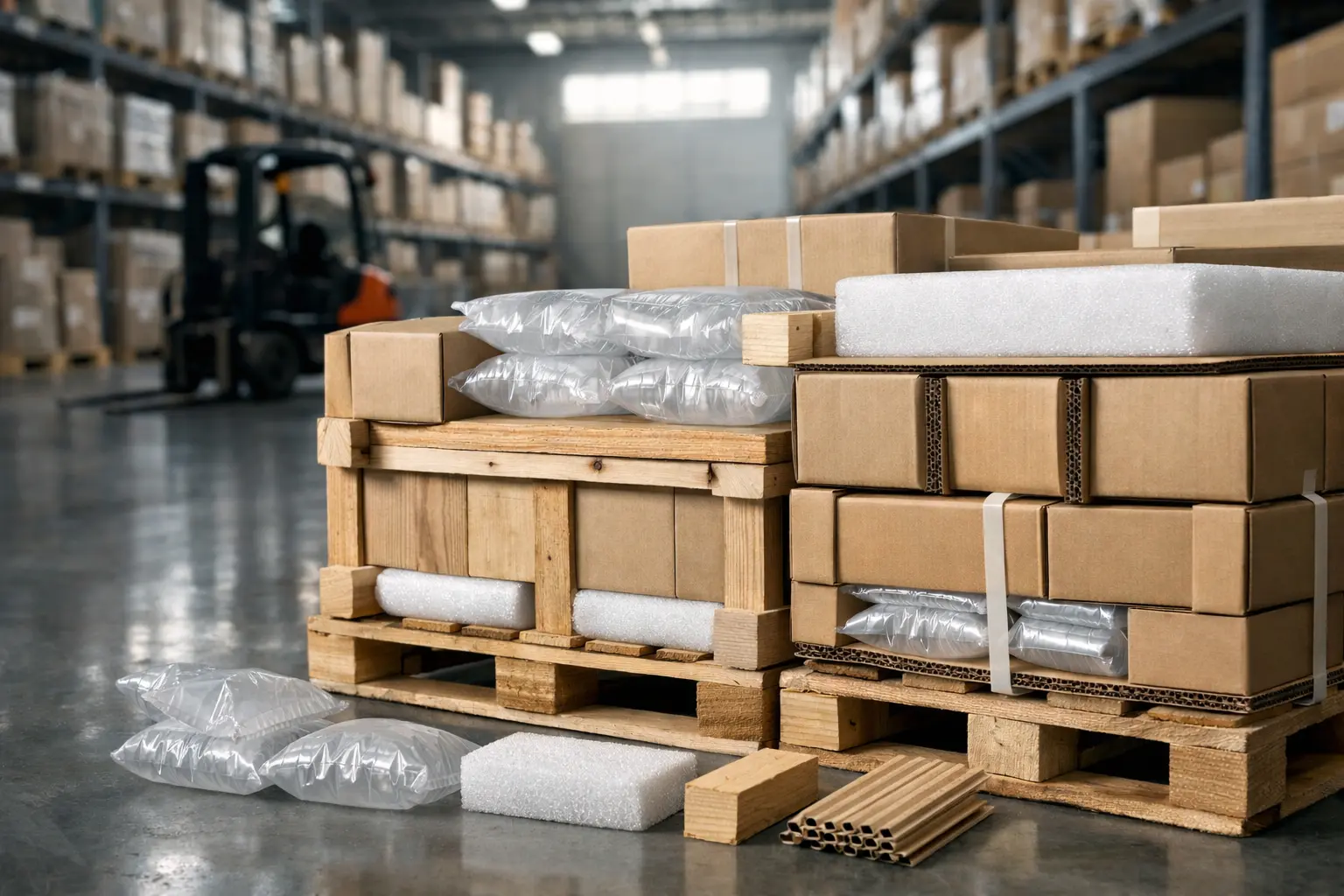
You know that stuff packed around your products when they ship? The bubble wrap, foam chunks, crumpled paper filling empty spaces? There’s actually a word for all that dunnage.
Sounds fancy, right? It’s not. Dunnage just means any material protecting or supporting cargo during shipping and storage. Could be as simple as wadded up paper or as complex as industrial grade aluminum racks holding thousands of pounds.
Running an online store? Managing warehouse operations? Shipping products anywhere? Understanding dunnage saves you serious money on damaged goods. Pick the wrong stuff and watch your products arrive broken. Choose wisely and customers get perfect deliveries every time.
Let’s dig into what dunnage actually is, why it matters way more than you’d think, and how to pick the right type without wasting cash.
What Does Dunnage Mean?
Dunnage covers pretty much any material used to protect, support, or secure stuff during transport and storage. Originally? Sailors used the word for loose wood and matting keeping cargo from sliding around in ship holds. Fast forward to today and it means everything from bubble wrap to heavy duty warehouse racks.
Here’s something weird nobody knows where the word came from. Been around since the 1400s. Some folks think it connects to old German words for brushwood. Others figure it ties to a Scottish town called Dunlop (yes, like the cheese). Thing is, etymologists can’t prove either theory. According to Merriam-Webster, the origin’s still a complete mystery after 600 years.
Modern dunnage does two main jobs: keeps products safe during shipping and elevates items off floors in storage. You’ll find it inside packages, freight containers, warehouses basically anywhere stuff moves or sits.
Types of Dunnage: Comprehensive Breakdown
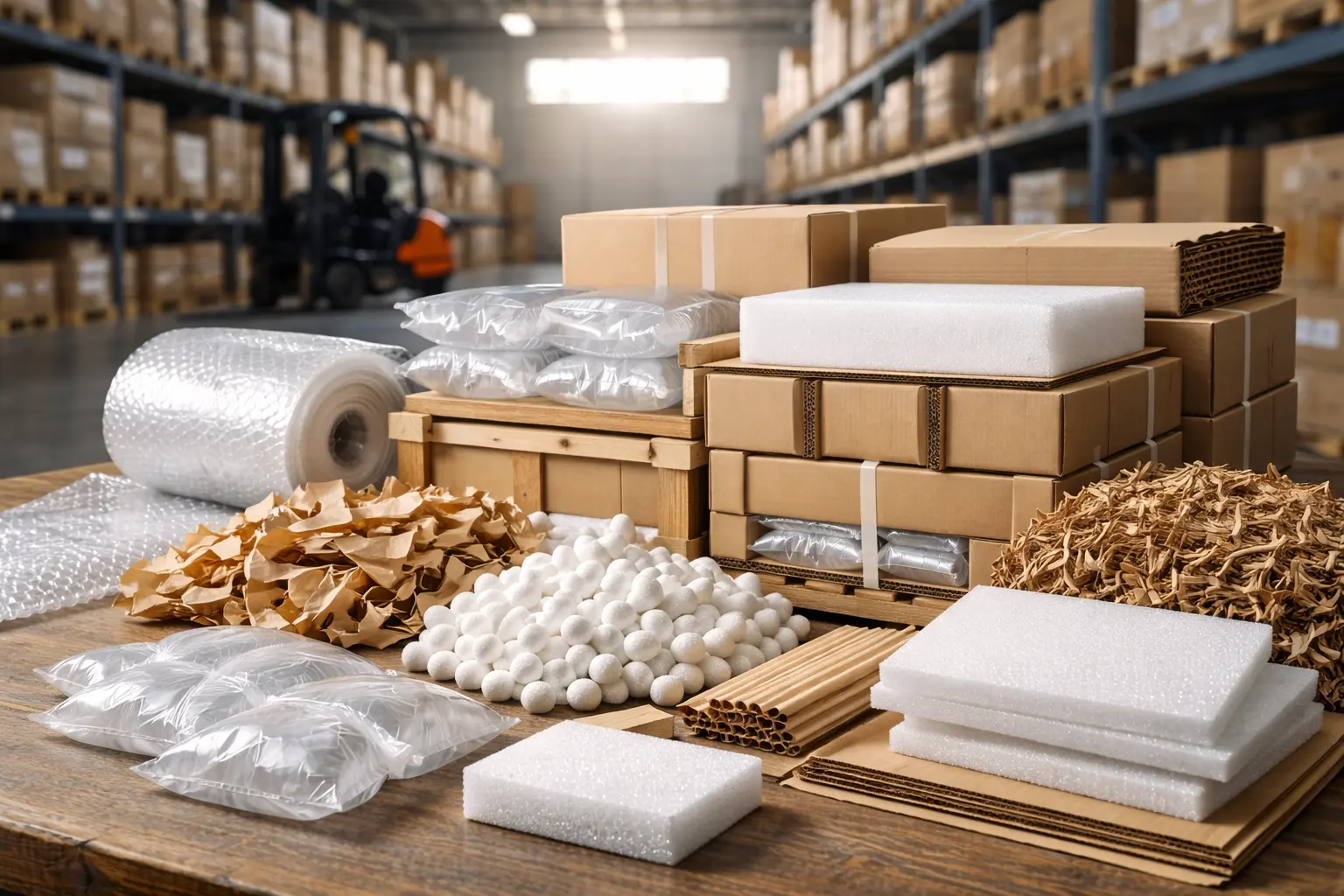
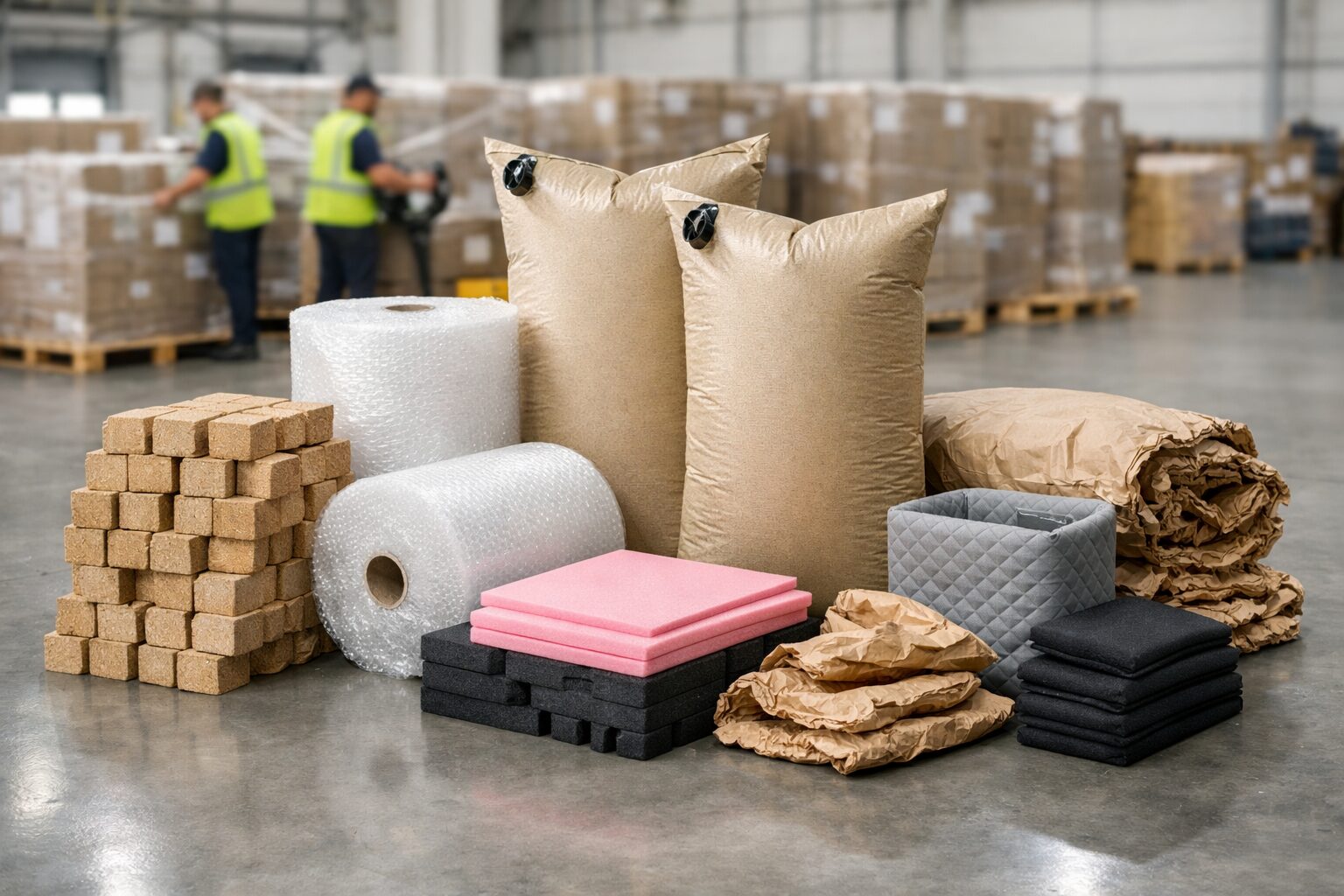
There’s honestly a ridiculous amount of dunnage types out there. Generally splits into three categories: soft materials for lighter protection, solid stuff for heavy cargo, and specialized equipment like racks and air bags.
Soft Dunnage Materials
Bubble Wrap: Yeah, the fun stuff everyone likes popping. Sheets of plastic filled with air bubbles cushion fragile items incredibly well. Plus you can reuse it if you resist the urge to pop every single bubble. Tempting though.
Air Pillows: Those inflated plastic bags filling voids in boxes. They don’t wrap around products like bubble wrap does. Instead, they just take up space so items can’t slide around. Super lightweight, which keeps your shipping costs down.
Kraft Paper: Plain brown recycled paper that gets crumpled up for cushioning. Cheap. Biodegradable. Recyclable. Perfect if you’re trying to be eco friendly. Works great as void fill or you can wrap delicate stuff in it.
Foam: Comes in sheets, rolls, or custom cut inserts matching your exact product shape. Electronics companies love foam because it absorbs shocks really well. Ever unbox a TV? That foam on the sides protecting it from every angle? Classic foam dunnage.
Packing Peanuts: Little foam or starch pieces filling gaps. The starch ones actually dissolve in water pretty wild. Way better for the environment than traditional foam peanuts that stick around forever.
Corrugated Paper: That wavy paper construction providing serious shock absorption. Also resists moisture better than regular paper. Shipping companies use corrugated dunnage constantly, especially for ocean freight where condensation’s a real problem.
Solid Dunnage Materials
Wood Dunnage: Sturdy lumber creating barriers between cargo or lifting pallets off the ground. Wood’s strong enough for seriously heavy goods. Catch though international shipments need heat treated or fumigated wood meeting ISPM 15 standards. Prevents bugs from hitchhiking between countries.
Plastic Dunnage: High density polyethylene platforms and bracing. Plastic laughs at moisture, chemicals, and rust. Food and beverage companies prefer it because hygiene matters big time in those industries. Also weighs way less than wood while staying just as strong.
Steel Dunnage: Absolute beast mode for extreme weights. Steel dunnage stops heavier products from crushing lighter ones during transport. Expensive as hell but necessary when you’re shipping industrial equipment or heavy machinery.
Aluminum Dunnage: Lighter than steel, still incredibly strong. Naturally rust resistant, which is why fulfillment centers love aluminum racks in refrigerated storage. Easy to move around and clean thoroughly.
Dunnage in Shipping: Protecting Cargo During Transit
In shipping, dunnage prevents three disasters: cargo movement, impact damage, and environmental problems like moisture ruining everything.
Think about it. Packages go through sorting facilities, trucks, ships, trains, sometimes planes. Every mode throws different challenges at your cargo. Vibrations. Sudden stops. Rough handling. Temperature swings. Proper dunnage absorbs all that chaos and keeps products locked in place.
Void fill dunnage eliminates empty spaces in packages. Gaps let products bounce around like pinballs, smashing into box walls and each other. Fill those voids with air pillows, crumpled paper, or packing peanuts and suddenly nothing moves. Problem solved.
Protective dunnage wraps individual items. Bubble wrap protecting wine glasses. Foam cushioning laptops. Corrugated paper shielding furniture edges. These materials catch impacts when handlers inevitably drop stuff or packages collide.
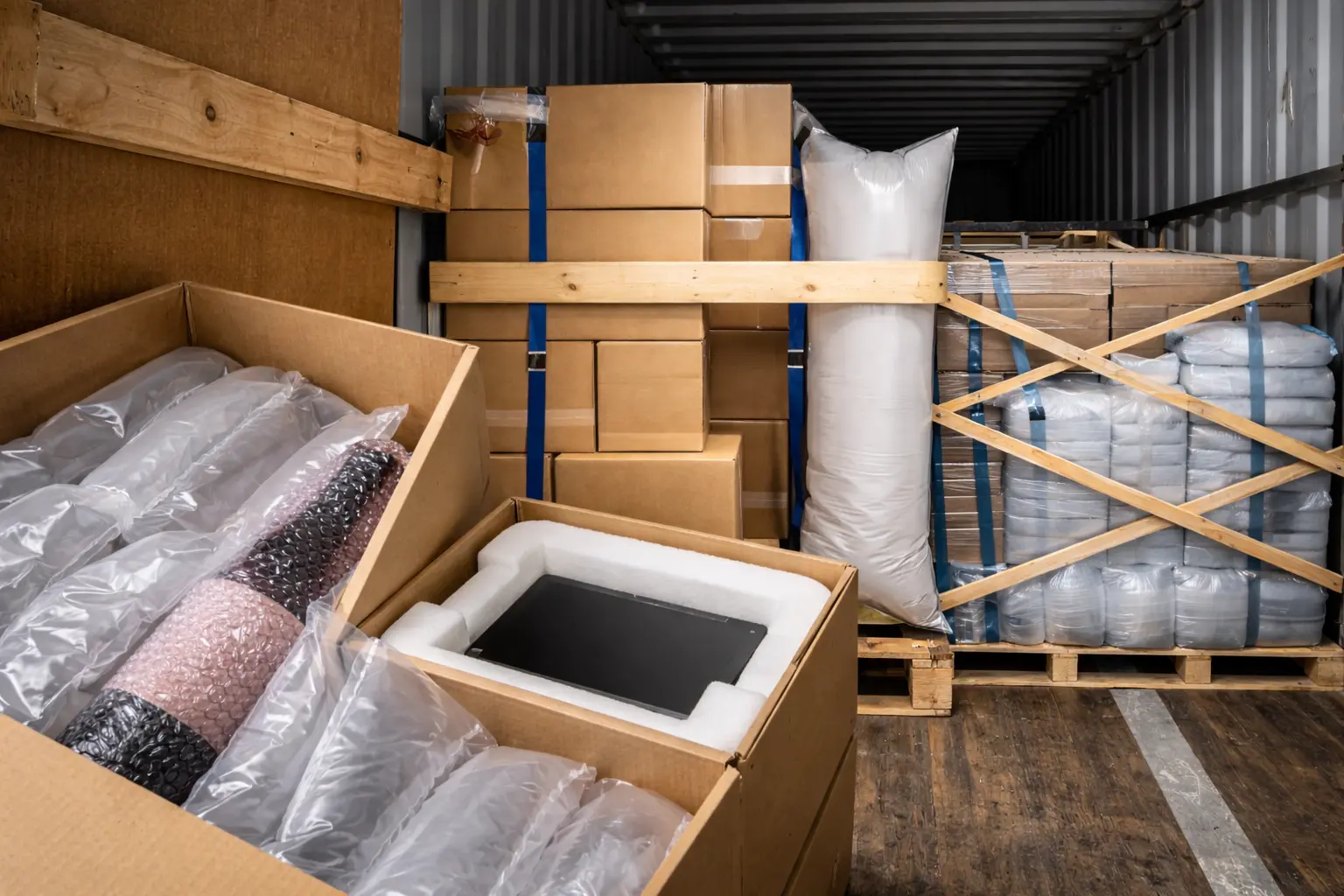
Blocking and bracing dunnage secures cargo inside freight containers and truck trailers. Wood planks, plastic braces, or dunnage bags fill gaps between pallets. Prevents massive loads from shifting during transport. Industry research shows improperly secured cargo causes up to 25% of truck accidents. That’s not just product damage that’s people getting hurt. Proper dunnage literally saves lives.
What Is a Dunnage Rack?
A dunnage rack is basically a heavy duty platform sitting low to the ground usually 6-12 inches high designed to store stuff off warehouse and kitchen floors. Unlike regular shelving, these racks feature open, ventilated designs letting air flow underneath.
Why Dunnage Racks Matter
Food Safety Compliance: Health codes require food stored at least 6 inches above ground. Prevents contamination from floor dirt, moisture, pests, and cleaning chemicals splashing around. Every commercial kitchen needs dunnage racks to pass inspections. Non negotiable.
Air Circulation: That ventilated design lets air flow underneath stored goods. Prevents mold growth. Reduces moisture buildup. Keeps perishables fresher longer. Especially critical in walk in coolers and freezers where humidity’s already high.
Easy Cleaning: Six inch gap makes floor cleaning stupid simple. Staff can sweep, mop, and sanitize underneath without moving heavy inventory first. Saves time. Prevents back injuries from lifting 50 pound flour sacks repeatedly.
Heavy Load Capacity: Don’t let the compact size fool you. Standard dunnage racks hold 1,000-2,000 pounds easily. Heavy duty versions? 3,000-5,000 pounds. Perfect for storing massive flour sacks, entire crates of canned goods, or bulk ingredient containers that’d crush regular shelving.
Space Optimization: Racks maximize vertical space in cramped storage areas. Walk in coolers where every square foot costs money? Dunnage racks let you stack storage efficiently without violating health codes.
Dunnage Rack Materials
Aluminum Dunnage Racks: Lightweight, rust proof, perfect for fridges and freezers. Aluminum cleans super easily and meets NSF certification for food contact surfaces.
Plastic Dunnage Racks: Heavy duty polymer resisting corrosion, chemicals, and moisture like a champ. Smooth plastic surfaces won’t tear packaging and sanitize quickly with standard cleaners.
Stainless Steel Dunnage Racks: Premium option offering maximum durability and hygiene. See these constantly in commercial kitchens, food processing plants, pharmaceutical facilities needing spotless conditions.
Mobile Dunnage Racks: Come with caster wheels for easy movement. Kitchens use mobile racks transporting ingredients between storage and prep areas without breaking anyone’s back.
What Are Dunnage Bags?
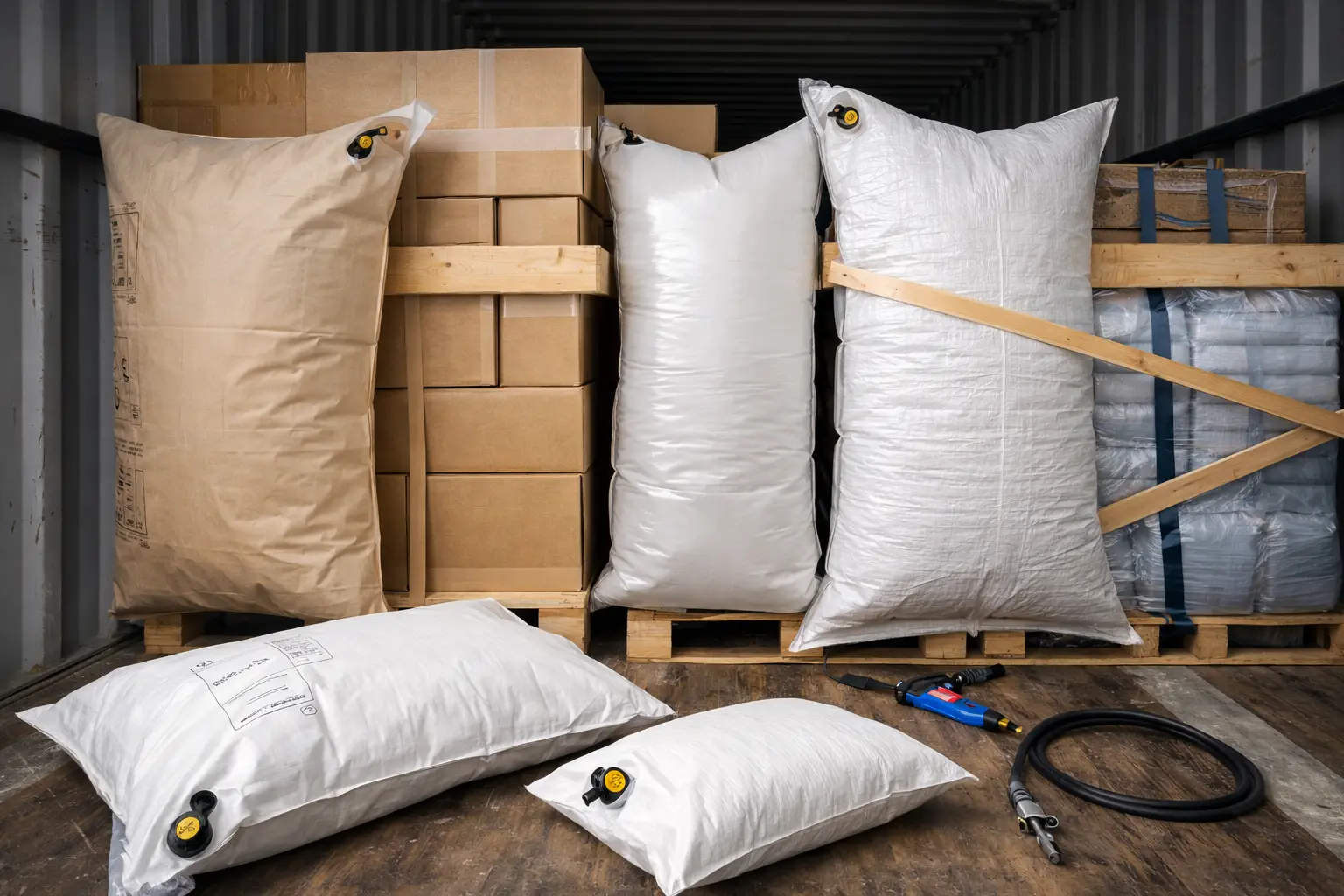
Dunnage bags also called air bags or cargo bags are inflatable pouches stuffed into gaps between cargo inside trucks, rail cars, shipping containers, and ocean vessels. Once inflated, they jam everything tight so cargo can’t shift during transit.
How Dunnage Bags Work
Freight rarely fills containers perfectly. Gaps exist between pallets, boxes, crates. During transport, cargo shifts into those voids. Products collide, tip over, get destroyed. Not ideal when you’re shipping $50,000 worth of electronics.
Dunnage bags fill those gaps. Workers position deflated bags in void spaces, then inflate them using specialized tools. Takes literally seconds. Inflated bags create firm barriers bracing cargo and absorbing vibrations throughout the entire journey. They’re basically shock absorbers and restraining systems rolled into one.
Types of Dunnage Bags
Paper Dunnage Bags: Built from 2-8 layers of kraft paper with polyethylene bladders inside. Paper provides excellent friction against cargo surfaces, helping “lock” loads in place. Work great for truck and container shipments.
Polywoven Dunnage Bags: Made from woven polypropylene with polyethylene liners. Way tougher and more moisture resistant than paper versions. Ideal for rail transport and ocean shipping where conditions get nasty.
Level Classifications: Bags come rated by level (1-5) based on strength:
- Level 1: Lighter loads up to 44,000 lbs (trucks, containers)
- Level 2: Medium loads up to 75,000 lbs (containers, rail)
- Level 3-4: Heavy loads 75,000-205,000 lbs (mostly rail)
- Level 5: Extreme loads over 205,000 lbs (heavy rail freight)
Reusable vs. Disposable: Some bags feature screw on valves allowing multiple uses. Single use bags have one way valves and get tossed after delivery. Reusable costs more upfront but saves money long term if you ship regularly.
Industries Using Dunnage
Logistics and Freight Shipping: Trucking companies, freight forwarders, shipping lines they all use dunnage constantly. Wood blocks, air bags, protective wrapping securing everything from consumer goods to massive industrial equipment.
E-Commerce and Fulfillment: Online retailers and fulfillment providers depend heavily on soft dunnage. Bubble wrap, air pillows, kraft paper, foam protecting products shipped worldwide. Your dunnage choice directly impacts customer satisfaction and return rates. Cheap out and watch angry reviews pile up.
Food Service and Warehousing: Restaurants, grocery stores, food manufacturers, distribution centers all use dunnage racks extensively. These facilities must comply with FDA food codes and health department regulations requiring elevated storage. No exceptions.
Automotive and Aerospace: Manufacturers shipping heavy parts, engines, delicate instruments use custom molded foam and solid plastic bracing. Can’t risk damage to components costing thousands each.
Electronics and Medical Devices: Companies shipping sensitive electronics or medical equipment invest serious money in specialized dunnage. Anti static foam, custom inserts, moisture barrier materials protecting products worth more than cars.
Construction and Manufacturing: Building materials, tools, manufactured goods require sturdy wood or steel dunnage during transport. Construction sites also use dunnage elevating materials off wet ground, protecting them from moisture and mud contamination.
Benefits of Using Proper Dunnage
Damage Prevention: Primary benefit right here. Proper dunnage reduces shipping damage by 60-80% according to logistics studies. Fewer damaged products mean fewer returns, refunds, and angry customers blasting you on social media.
Regulatory Compliance: Food service businesses avoid health code violations and expensive fines. International shippers meet ISPM 15 requirements for wood packaging. Compliance prevents shipment delays costing thousands in missed deadlines.
Cost Savings: Sure, dunnage costs money upfront. But replacing one damaged pallet of products typically costs 10-50 times more than proper dunnage would’ve. Math’s pretty simple there.
Moisture Protection: Materials like plastic racks and corrugated paper shield goods from water, condensation, humidity. Electronics especially hate moisture. One water drop in the wrong place destroys a $2,000 laptop instantly.
Improved Safety: Properly secured cargo protects truck drivers, warehouse workers, dock personnel from injuries caused by shifting loads. Also reduces accident risks on highways when cargo stays put instead of flying around inside trailers.
Sustainability Options: Eco conscious businesses choose recyclable or biodegradable dunnage. Kraft paper, cardboard, starch peanuts break down naturally. Reusable dunnage bags and plastic racks reduce waste over years of use.
Space Efficiency: Racks maximize storage capacity by using vertical space effectively. Walk in coolers and warehouses gain valuable storage without expensive building expansions.
How to Choose the Right Dunnage
Picking appropriate dunnage depends on multiple factors. Product characteristics, shipping method, regulatory requirements, budget constraints all play roles.
Product Weight and Fragility: Heavy items need solid dunnage wood, steel, heavy duty plastic. Fragile products require cushioning like bubble wrap or foam. Electronics benefit specifically from anti static foam preventing electrical damage.
Transportation Mode: Truck shipments use different dunnage than ocean freight. Long distance ocean shipping needs moisture resistant materials. Rail transport requires stronger bags rated for higher weights and rougher handling.
Storage Requirements: Warehouse storage follows different rules than shipping. Food storage requires NSF certified dunnage racks meeting FDA codes. Refrigerated environments need corrosion resistant materials like aluminum or plastic that won’t rust.
Environmental Considerations: Businesses prioritizing sustainability choose recyclable kraft paper, biodegradable peanuts, reusable bags. Costs slightly more initially but improves brand reputation with eco conscious customers.
Regulatory Compliance: International wood shipments must meet ISPM 15 heat treatment standards. Food facilities need NSF listed equipment. Pharmaceutical operations require validated, sanitizable materials. Check regulations before buying anything.
Budget vs. Protection Needs: Cheap dunnage saves money short-term but allows damage. Expensive custom solutions protect best but strain budgets. Find the balance matching product value to dunnage investment. Don’t protect $10 items with $5 dunnage. Makes no sense.
Volume Considerations: High volume shippers benefit from reusable dunnage despite higher upfront costs. Low volume operations save money with disposable materials bought as needed.
Protecting Products with Proper Dunnage
Dunnage plays a massive role in modern logistics, warehousing, and e-commerce operations. From soft cushioning materials protecting individual packages to heavy duty racks storing thousands of pounds in warehouses, choosing appropriate dunnage directly impacts product safety, regulatory compliance, and your bottom line.
Understanding different dunnage types shipping materials versus storage equipment, soft versus solid options, reusable versus disposable helps businesses make way smarter purchasing decisions. Whether you’re shipping fragile electronics, storing bulk food ingredients, or transporting heavy industrial equipment, proper dunnage selection reduces damage rates massively.
Need help optimizing your packaging and storage solutions? Get a free consultation discussing how professional fulfillment services can improve your dunnage strategies and slash shipping damage costs significantly.
Frequently Asked Questions
What is dunnage?
Dunnage is any material used to protect, support, stabilize, or secure cargo during transportation and storage. Includes protective packaging like bubble wrap and foam for shipping, plus equipment like dunnage racks for warehouse storage. Basically everything keeping products safe from point A to point B.
What does dunnage mean in shipping?
In shipping specifically, dunnage refers to protective materials filling voids in packages or bracing cargo in freight containers. Prevents products from shifting around, absorbs shocks from rough handling, and protects against moisture damage during long trips across country or ocean.
What is a dunnage rack used for?
A dunnage rack is a low profile storage platform keeping items elevated off floors in warehouses, commercial kitchens, and walk in coolers. Essential for meeting food safety codes requiring 6 inch ground clearance while providing ventilated storage for heavy bulk items like flour sacks and ingredient containers.
What are dunnage bags?
Dunnage bags are inflatable air filled pouches placed between cargo in trucks, rail cars, and shipping containers. When inflated to proper pressure, they fill voids and prevent cargo from shifting during transportation. Protects products from collision damage and keeps loads stable through rough roads.
What materials are commonly used for dunnage?
Common dunnage materials include bubble wrap, air pillows, foam, kraft paper, corrugated cardboard, packing peanuts, wood blocks, plastic platforms, aluminum racks, and steel bracing. Material choice depends entirely on product weight, fragility, and shipping method you’re using.
Why is dunnage important?
Dunnage prevents product damage during shipping and storage, saving businesses thousands in replacement costs and angry customer complaints. Additionally ensures regulatory compliance for food safety codes, protects workers from shifting cargo injuries, and reduces environmental waste through proper packaging choices.